
When it comes to ensuring safety in environments at risk of fire, the choice of an "External Fire Tester" is crucial. Experts emphasize the necessity of reliable testing tools. Dr. Sarah Thompson, a leading fire safety engineer, states, “Choosing the right external fire tester can make all the difference in prevention and safety.” Her words highlight the importance of selecting quality equipment.
In various industries, external fires pose significant threats. Therefore, investing in the right testing device is essential. A dependable external fire tester can accurately simulate fire conditions. This provides valuable data on materials and structures. However, it's not just about functionality; the expert's insights remind us to evaluate options critically.
However, not all testers are created equal. Some may lack advanced features. Consequently, it’s vital to understand what you need. What works for one scenario might not suit another. As safety standards evolve, so must our tools. Selecting a suitable external fire tester is both a responsibility and a challenge. Engaging with experts helps clarify uncertainties. Their experienced perspectives guide informed choices that enhance safety measures.
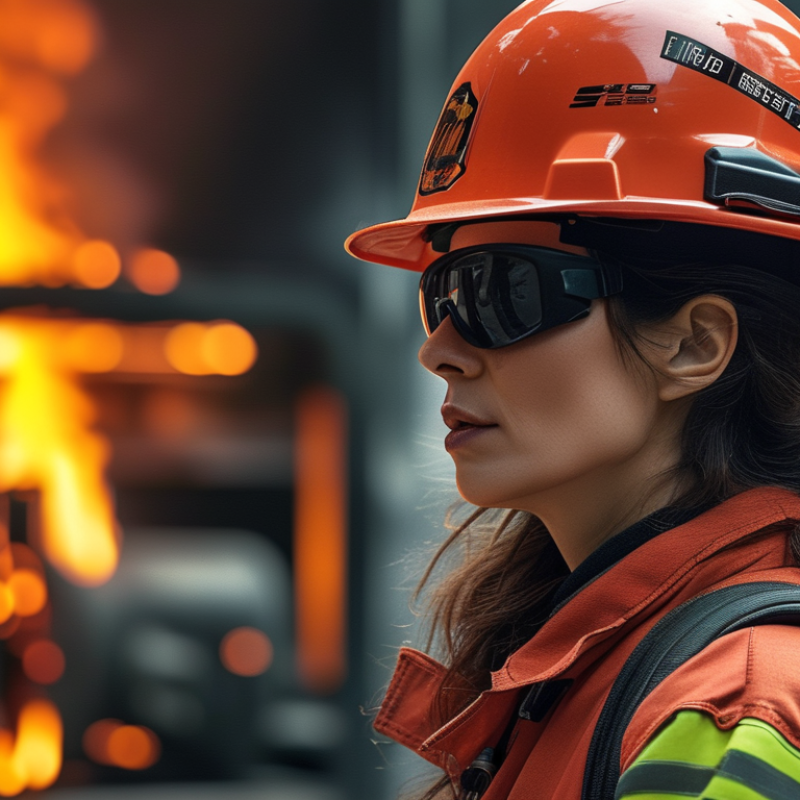
When selecting an external fire tester, several key features must be considered for optimal safety. First, look for models equipped with thermal imaging sensors. According to the National Fire Protection Association (NFPA), thermal imaging can identify heat patterns that indicate fire hazards. Techniques that visualize temperature differences enhance early detection, reducing potential damage.
Durability is crucial. Fire testers should withstand harsh conditions. Research shows that testers using flame-resistant housing significantly increase longevity. Additionally, multi-functionality is beneficial. Some testers can measure smoke density and toxic gas levels. Studies illustrate that using comprehensive tools can decrease emergency response times by about 25%.
User-friendliness matters as well. A complex interface may hinder quick operation during emergencies. Simple controls and clear displays make the testing process more efficient. Mental reflections on usability could lead to better preparedness. Ultimately, the right external fire tester can greatly enhance safety measures, but careful evaluation of features is essential to ensure effectiveness and reliability.
| Feature | Description | Importance Level | Average Cost (USD) |
|---|---|---|---|
| Material Quality | Robust materials that withstand high temperatures. | High | $150 - $300 |
| Testing Range | Ability to test various fire conditions and types. | Medium | $100 - $250 |
| User Interface | Ease of use and clarity of results. | High | $75 - $200 |
| Portability | Lightweight and easy to transport. | Low | $50 - $150 |
| Calibration Ease | Simple calibration process for accurate readings. | High | $100 - $200 |
When considering external fire testing, it’s crucial to understand the different methods available. Many organizations rely on specific tests to assess material performance in fire scenarios. The most common methods include the Cone Calorimeter test, the room corner test, and the façade test. Each offers unique insights into how materials react under fire.
The Cone Calorimeter test measures heat release rates and is often used to evaluate the flammability of building materials. According to a 2020 report by the National Institute of Standards and Technology (NIST), this method provides reliable data essential for safety assessments.
The room corner test simulates real fire conditions in a contained space, offering valuable information on smoke production and temperature rise. In this context, it’s notable that up to 80% of fire deaths result from smoke inhalation rather than burns.
The façade test is another vital method, examining the fire spread on exterior walls. It assesses how flames travel across materials, which can lead to rapid fire propagation. This test is especially relevant in high-rise buildings. Yet, not all tests capture every potential scenario. Relying solely on one method may overlook critical vulnerabilities. Thus, a comprehensive approach to external fire testing is essential for ensuring safety in building design.
When it comes to external fire testing, understanding industry standards is crucial. Various organizations set guidelines that ensure safety. These standards include protocols for testing materials and assemblies. Compliance with these guidelines helps protect lives and property.
Different regions may have different regulations. For instance, some areas focus on fire resistance ratings. Others emphasize the installation methods of fire-rated materials. It’s essential to stay informed and compliant. Unfortunately, some manufacturers may overlook these standards. This neglect can lead to dangerous outcomes.
Professional testing organizations conduct assessments based on established protocols. Their expertise ensures materials meet necessary requirements. However, it is not just about meeting standards. Continuous evaluation and adaptation to new research are vital. Fire safety is not static; it evolves with emerging technologies. Over time, materials can improve, but standards must also adapt. Staying current is a shared responsibility in the industry.
When choosing an external fire tester, it’s vital to evaluate multiple aspects. Safety should always be your top priority. A quality tester can detect different fire hazards effectively. Look for models with high sensitivity to various flame characteristics. This is essential for accurate testing.
Different testers have unique features. Some offer advanced technology like infrared detection. Others may include user-friendly interfaces. Think about your specific safety needs before making a decision. The right choice can save lives.
However, not all external fire testers are equal. Some may lack essential functions. Reliability is crucial; a malfunctioning unit can lead to disastrous consequences. Moreover, consider the environment where the tester will be used. Some are designed for industrial settings while others work best in residential areas. Balancing functionality and reliability is key in your search.
Investing in fire testing equipment can be a critical decision for safety. Many homeowners and businesses face the challenge of ensuring adequate fire protection. The cost of such equipment may seem high initially, but a thorough cost-benefit assessment reveals significant advantages. For instance, effective fire testing tools help identify fire hazards early and can prevent catastrophic losses.
When evaluating the financial aspect, consider not just the purchase price but also the long-term savings. Investing in fire testing equipment could reduce insurance premiums and minimize potential damage from fires. Regular maintenance and testing also contribute to safety standards. However, one might question the reliability of cheaper options available on the market. Balancing cost with quality leads to smarter investment choices.
One area needing reflection is the frequency of testing. Some owners may neglect routine checks, assuming once is enough. This can lead to dangerous oversights. Proper training on how to utilize the equipment ensures its effectiveness. Moreover, understanding local fire regulations is crucial. A gap in knowledge could lead to compliance issues. The journey towards enhanced safety can be complex, but the benefits are undeniably substantial.
: The main methods are the Cone Calorimeter test, room corner test, and façade test.
It measures heat release rates to evaluate material flammability.
It simulates real fire conditions, providing insights on smoke and temperature rise.
This test looks at how flames spread across exterior walls.
Relying on one method might overlook critical vulnerabilities in material performance.
Safety and the ability to detect various fire hazards should be your top priorities.
No, some can lack essential functions and may not perform accurately.
Some testers are better for industrial settings, while others suit residential areas.
Yes, features like infrared detection and user-friendly interfaces can improve testing accuracy.
A malfunctioning tester may lead to dangerous situations and missed fire hazards.
When selecting the best External Fire Tester for safety needs, it is crucial to understand key features that enhance performance, such as accuracy, ease of use, and durability. Familiarity with various external fire test methods, including standardized techniques, allows users to make informed choices. Compliance with industry standards and regulations is essential to ensure the effectiveness and legality of fire testing equipment.
A comparative analysis of top external fire testers on the market reveals significant differences in features and pricing, enabling potential buyers to evaluate options thoroughly. Additionally, a cost-benefit assessment can help assess the long-term value of investing in high-quality fire testing equipment. Overall, choosing the right External Fire Tester is vital for maintaining safety in environments susceptible to fire hazards.
