
What is the Best PV Test Equipment for China Suppliers?

Time:2026-05-05 Author:Sophia
0%

In the rapidly evolving solar industry, choosing the right PV test equipment is crucial for suppliers in China. PV test tools ensure that solar panels meet performance standards. With numerous options available, it can be challenging for suppliers to determine the best equipment. High-quality PV test instruments help in evaluating efficiency, safety, and longevity.

Moreover, selecting the most suitable equipment requires an understanding of specific testing needs. Many suppliers may feel overwhelmed by technical specifications. It is essential to weigh factors such as accuracy, durability, and ease of use. Equipment that is too complex may lead to mistakes and misinterpretations. Therefore, careful consideration of these aspects is vital.

Reliability is a key aspect when working with PV test equipment. Suppliers need equipment that can withstand various environmental conditions. They also need to ensure that their testing methods comply with international standards. As the solar market expands, so does the necessity for dependable tools. Choosing the best PV test equipment ultimately helps suppliers maintain credibility and gain customer trust.
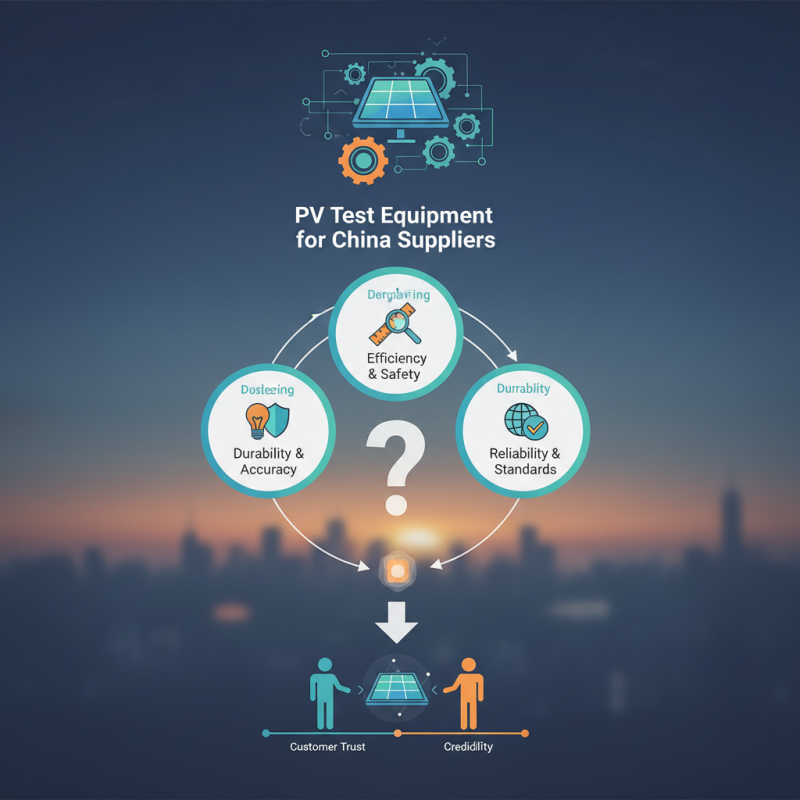
What is the Best PV Test Equipment for China Suppliers?

Understanding the Solar PV Market in China

The solar photovoltaic (PV) market in China is rapidly evolving. With a projected growth rate of over 15% annually, it is becoming a dominant player in global solar energy production. In 2022, China contributed to nearly 50% of the world’s solar panel exports. This increasing market influence demands robust testing equipment to ensure quality and efficiency.

Investors and suppliers need reliable data to make informed decisions. A survey indicated that around 70% of manufacturers in China prioritize the accuracy of performance testing. However, discrepancies in testing standards can create uncertainties. The need for standardized equipment arises from varying regional regulations and quality benchmarks. As the market matures, suppliers must adopt more sophisticated technologies for effective testing, ensuring compliance and optimizing performance.

While innovation is essential, it also brings challenges. Some manufacturers may rely on outdated equipment, leading to compromised quality. This highlights the need for ongoing education and training within the industry. To thrive in this competitive landscape, suppliers should continually evaluate their testing capabilities and stay updated with market trends. Balancing innovation and reliability is critical for success in China’s solar PV sector.

What is the Best PV Test Equipment for China Suppliers? - Understanding the Solar PV Market in China

Test Equipment Type Key Features Typical Price Range (USD) Recommended Applications
Solar Cell I-V Testers Measures I-V characteristics, variable test conditions $3,000 - $10,000 Quality control in production, lab testing
Flashing Test Equipment Simulates sunlight; evaluates panel performance $5,000 - $15,000 Production line testing, performance validation
Thermal Imaging Cameras Identifies hot spots and inefficiencies $1,500 - $4,000 System maintenance, field inspections
Electrical Safety Analyzers Safety and compliance testing $2,000 - $6,000 Product certification, end-user safety
Reflectance Meters Measures light reflection from PV surfaces $1,000 - $3,000 Quality analysis of solar panels

Key Factors in Choosing PV Test Equipment

Choosing the right photovoltaic (PV) test equipment is crucial for suppliers in China. As the solar energy market grows, understanding key factors in equipment selection is vital. Reliability is one major aspect to consider. A recent report indicates that 30% of module failures are due to inadequate testing methods. This highlights the need for reliable equipment to ensure quality.

Accuracy is another crucial factor. Precision in testing can affect performance assessments of solar panels. The International Electrotechnical Commission (IEC) emphasizes that calibration standards should meet international benchmarks. Without accurate instruments, suppliers risk misjudging product performance, which can lead to significant financial losses.

Cost-effectiveness must also be balanced with quality. Some suppliers might opt for cheaper alternatives, but this approach can be misleading. A report from the Global Solar Council found that investing in high-quality test equipment leads to higher customer satisfaction. It’s important to find a middle ground where both quality and affordability coexist. Evaluating various options is essential. Suppliers should also consider user feedback to understand long-term performance. This requires careful research and a willingness to adapt.

Types of PV Test Equipment Available for Suppliers

The photovoltaic (PV) industry in China is rapidly evolving. Suppliers need the right test equipment to ensure their products meet high standards. Various types of PV test equipment are available, each serving distinct functions.

One key category includes solar simulators. These devices mimic sunlight conditions for testing solar cells and modules. According to industry reports, proper simulation can enhance efficiency measurement by up to 10%. Another vital tool is the IV curve tracer. It helps evaluate the performance of solar panels by analyzing current and voltage relationships. A study highlighted that accurate IV testing can reduce failures in field applications by about 15%.

Moreover, environmental testing chambers play a crucial role. They simulate harsh conditions, such as humidity and temperature fluctuations. Data suggests that products subjected to rigorous testing in these chambers can ensure durability and longevity in real-world applications. However, suppliers must consider the challenges of obtaining these measurements. Some devices may require specialized knowledge, making it harder for small suppliers to access them. Investing in training or partnerships could be beneficial.

Top Brands and Manufacturers of PV Test Equipment

When considering PV test equipment, understanding the top manufacturers is essential. Suppliers in China face unique challenges. They need reliable test solutions to ensure the quality of their products. Many local manufacturers offer diverse options tailored to meet industry standards. The selection may vary based on budget and technological needs.

Quality matters in photovoltaic testing. Brands known for their rigorous testing processes typically provide more accuracy. These manufacturers often invest in research, leading to advanced technology. Thus, users can expect improved performance and longevity in their devices. However, the market is crowded, making it harder for suppliers to choose wisely.

Inadequate knowledge of each brand’s strengths can impact results. It can lead to equipment that doesn't meet specific needs. Suppliers should be cautious. Researching manufacturer backgrounds and reviews helps identify quality partners. Engaging with local distributors or industry experts might offer clearer guidance. This step can prevent costly mistakes in testing equipment selection.

Best Practices for Using PV Test Equipment Efficiently

When using PV test equipment, efficiency is key. Accurate measurements lead to better solar panel performance. Begin with a clear understanding of your equipment. Familiarize yourself with its functions. This will save time during testing. Read the user manual thoroughly. It may provide insights that enhance your efficiency.

Tips for efficient testing include:
- Always calibrate your equipment regularly. This prevents errors in your readings.
- Keep your workspace organized. A clutter-free area allows for quicker access to tools.
- Document your findings consistently. This helps identify patterns over time.

It's easy to overlook basic maintenance. Neglecting routine checks can lead to faulty results. Be proactive in maintaining your devices. Also, consider environmental factors. Temperature and humidity can impact measurements. Adjust your testing conditions accordingly.

Stay open to feedback. Review your test results with colleagues. Their experience can highlight potential oversights. Learning from each project helps improve future testing outcomes. This practice ultimately leads to enhanced efficiency and reliability in your PV testing processes.

PV Test Equipment Efficiency Comparison

FAQS

: Why is it important to choose the right PV test equipment?

: Selecting the right equipment ensures accurate measurements and better solar panel performance.

What should I consider when selecting PV test equipment?

Consider your budget, technological needs, and the manufacturer’s reputation for quality.

How can I improve efficiency when using PV test equipment?

Familiarize yourself with the equipment functions and read the user manual thoroughly.

What maintenance steps should I take for PV test equipment?

Regular calibration and routine checks can prevent faults and improve accuracy.

How do environmental factors affect PV testing results?

Temperature and humidity can influence measurements, so adjust conditions accordingly.

What is a common mistake when using PV test equipment?

Neglecting basic maintenance can lead to inaccurate results and wasted time.

How can feedback improve my PV testing outcomes?

Discussing results with colleagues can reveal oversights and enhance future testing.

Why should I document my test findings consistently?

Documentation helps identify patterns and improves results over time.

What role do local distributors play in selecting PV equipment?

They can provide guidance and insights about manufacturer strengths and weaknesses.

How can research on manufacturers aid in making better choices?

Understanding their backgrounds helps identify quality partners and avoid costly mistakes.

Conclusion

The article "What is the Best PV Test Equipment for China Suppliers?" provides insightful guidance on the solar photovoltaic (PV) market in China. It begins by emphasizing the growing demand for reliable PV test equipment, which is crucial for ensuring the efficiency and safety of solar installations. Key factors for choosing the right PV test equipment include accuracy, ease of use, and compliance with industry standards, allowing suppliers to meet the specific needs of their clients effectively.

Furthermore, the article categorizes the various types of PV test equipment available, ensuring that suppliers can make informed decisions based on their operational requirements. It highlights the importance of adhering to best practices when utilizing PV test equipment to enhance operational efficiency and ensure consistent performance. By understanding the market dynamics and selecting appropriate tools, suppliers can significantly contribute to the advancement of solar energy in the region.

Sophia

Sophia

Sophia is a dedicated marketing professional with an exceptional depth of knowledge about her company's products and services. With a keen understanding of market trends and customer needs, she crafts insightful blog posts that not only inform but also engage readers, enriching the company’s online......