
In the ever-evolving landscape of environmental testing, selecting the right Temperature Shock Chamber is crucial for global buyers in 2026. This equipment serves a vital role in assessing product durability under extreme temperature variations. By simulating harsh conditions, manufacturers can predict how components will perform in real-world scenarios.
With advancements in technology, today's chambers offer improved efficiency and accuracy. However, not all options are created equal. It’s essential to understand what features matter most. Some chambers may overpromise but underdeliver on reliability. Buyers need to focus on trusted brands with proven track records.
Investing in a Temperature Shock Chamber involves more than just price. Consider factors like energy consumption, ease of use, and maintenance requirements. It's worth reflecting on previous experiences with other products. What worked? What didn’t? This ongoing evaluation will lead to informed decisions. Make your choice count in this critical area of testing.
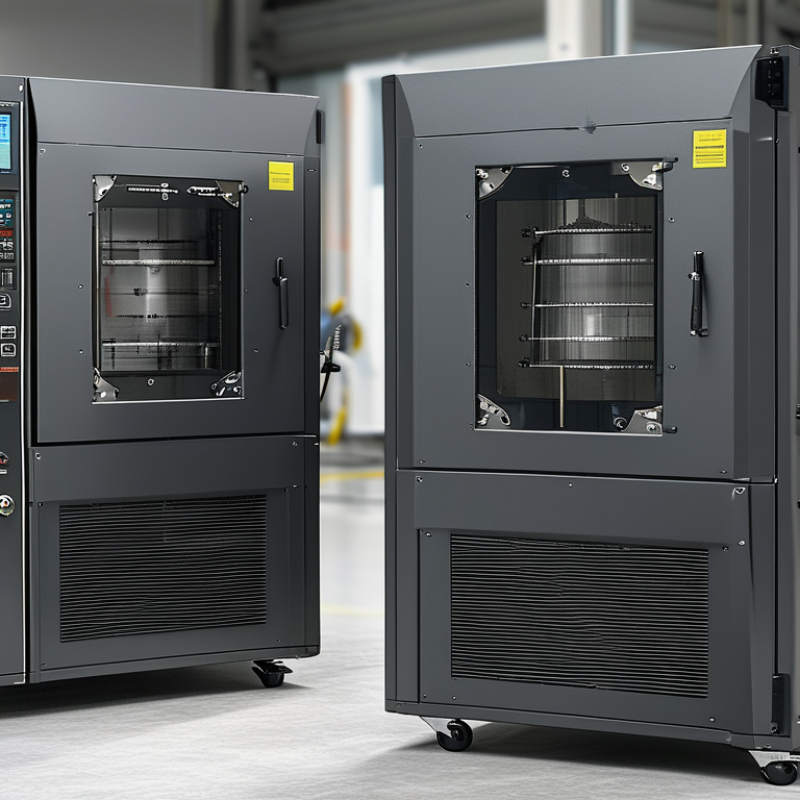
Choosing a temperature shock chamber is crucial for various industries. In 2026, several factors will influence global buyers. One key aspect is the temperature range. Studies show that chambers with a range of -70°C to +150°C are commonly required. This range allows for versatile testing, which enhances product reliability.
The speed of temperature change also plays a vital role. Chambers that can achieve a temperature transition in under five minutes are preferred. This rapid change simulates real-world conditions more accurately. Testing agencies emphasize the importance of consistency in performance. Variability can lead to questionable results, affecting product integrity.
Tips: Consider energy efficiency. Chambers that consume less power may initially cost more but save on operational expenses. Additionally, assess the maintenance and servicing requirements. Some chambers offer simpler designs, which can reduce downtime. Lastly, check industry reports and user reviews to ensure reliable performance.
When selecting a temperature shock chamber, buyers need to pay attention to several factors. Reliability is key. Look for chambers that maintain consistent temperatures during extreme tests. Precise calibration is essential for accurate results. Many chambers offer adjustable settings, allowing for customized testing.
A solid warranty can indicate a manufacturer's confidence in their product. It's wise to read user reviews to understand real-world performance. Many users report issues with temperature fluctuations that must be addressed.
Considering energy efficiency is also crucial. Chambers can consume significant power, impacting operational costs over time. Buyers should inquire about energy ratings to make informed decisions. The market is competitive, and each brand offers unique features.
However, not all may excel in durability or support. Engaging with industry experts can help clarify these nuances.
When selecting a temperature shock chamber in 2026, buyers should prioritize several advanced features. One key aspect is the temperature range flexibility. Ideally, the chamber should accommodate extreme temperature variations. This flexibility is vital for simulating real-world conditions. Users must ensure the device can handle both high and low extremes effectively.
Another essential feature is rapid temperature transition capability. Quick shifts in temperature can affect test accuracy. Look for chambers that can achieve these transitions in a matter of minutes. This ability improves efficiency and reduces testing time significantly.
Finally, users should consider data logging capabilities. An effective chamber will offer real-time monitoring and recording. This means users can review test data when needed. However, functionality can differ widely among models. Reliable data tracking can make all the difference in research outcomes. Remember, investing in a temperature shock chamber should reflect not just immediate needs but also future testing requirements.
Maintaining a temperature shock chamber requires diligence and care. Regular calibration is vital. It ensures accurate temperature readings and effective testing. Neglecting this can lead to inconsistent results, affecting reliability.
Cleaning is another essential practice. Dust and debris can interfere with performance. Schedule routine cleaning sessions. This simple act can prolong the life of the chamber. It also ensures that tests remain valid and reproducible.
Monitoring the chamber's environment is critical. Humidity and temperature fluctuations can impact performance. Using data loggers can help track these variables objectively. Sometimes, operators overlook the importance of these details. Reflect on past practices and make necessary adjustments to improve maintenance routines.
| Model | Temperature Range (°C) | Dimensions (cm) | Capacity (Liters) | Price (USD) | Warranty (Years) |
|---|---|---|---|---|---|
| Model A | -70 to 150 | 80 x 60 x 120 | 500 | 8000 | 3 |
| Model B | -60 to 100 | 75 x 65 x 110 | 400 | 6500 | 4 |
| Model C | -80 to 180 | 90 x 70 x 130 | 600 | 9500 | 5 |
| Model D | -40 to 120 | 85 x 65 x 115 | 450 | 7000 | 3 |
When budgeting for temperature shock chambers in 2026, it’s important to evaluate both costs and benefits. These chambers are essential for testing materials under extreme conditions. The purchase price often varies widely. It's essential to research and compare models. Understanding your specific needs will help guide decisions.
Operational costs also play a crucial role in the budget. Maintenance and energy consumption should be factored in. These costs can add significantly over time. A poorly maintained chamber can lead to inaccuracies and costly repairs. It's vital to weigh initial savings against long-term expenses.
Innovative features can enhance efficiency but may escalate costs. Some chambers now include advanced monitoring systems. These can optimize performance but come with higher price tags. Balancing features with budget constraints is a continuous challenge. Investing in a reliable chamber can lead to reliable data, ultimately saving time and resources. The commitment to thorough research is critical for making sound financial decisions in this essential field.
: Reliability and consistent temperature maintenance are crucial factors to consider.
Precise calibration is essential for obtaining accurate and reliable results.
Energy efficiency can impact operational costs significantly, so inquire about energy ratings.
They provide insights into the real-world performance and potential issues of the chamber.
Look for flexibility in temperature range and rapid temperature transition capabilities.
Real-time monitoring and recording can greatly enhance test accuracy and outcomes.
Regular calibration is vital to ensure consistent and reliable temperature readings.
Schedule routine cleaning to remove dust and debris, ensuring valid test results.
Humidity and temperature fluctuations can impact results, so monitor these variables regularly.
Consider past practices to identify areas for improvement in your maintenance processes.
In 2026, the selection of a Temperature Shock Chamber is influenced by various critical factors including application requirements, temperature range capabilities, and energy efficiency. Buyers are encouraged to assess advanced features such as programmable settings, accurate calibration, and robust safety protocols, which enhance the functionality and reliability of these chambers.
Furthermore, maintenance best practices are vital for ensuring longevity and optimal performance of Temperature Shock Chambers. Regular checks, proper calibration, and adherence to operational guidelines can significantly extend the lifespan of these units. As budgeting is also a necessary consideration, a thorough cost analysis will help potential buyers make informed decisions, ensuring they receive the best value for their investment in temperature shock testing solutions.
