
Choosing the right Water Spray Test Chamber can be challenging. Industry experts highlight the importance of selecting a chamber that meets your specific testing requirements. Dr. Emily Carter, a leading authority in environmental testing, once stated, “A reliable Water Spray Test Chamber is essential for ensuring product durability under adverse conditions.”
Understanding your specific needs is crucial. Some might prioritize water pressure, while others may focus on chamber dimensions. It’s vital to consider what aspects of the test are most critical for your products. Brands must ensure they choose a chamber that can simulate real-world conditions effectively. However, there can be confusion due to the variety of models available in the market.
When deciding on a Water Spray Test Chamber, never overlook essential features. Think about how easily you can operate it or the accuracy of the results. Challenge yourself to reflect on whether the chamber you are considering truly fulfills your requirements. After all, the wrong choice can lead to misleading testing outcomes that hinder product development.
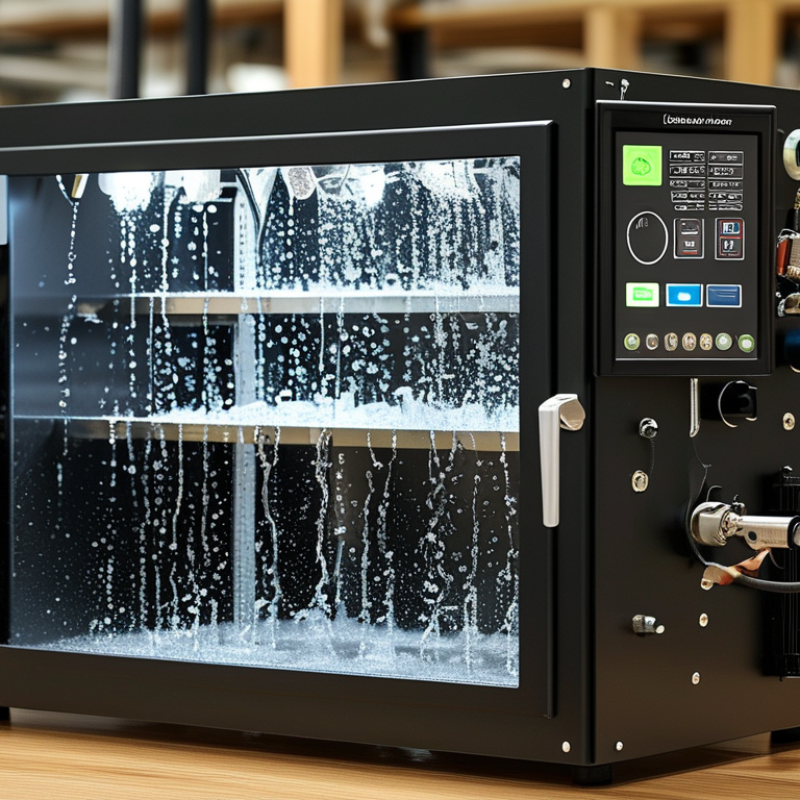
Water spray test chambers play a crucial role in ensuring product durability and performance. In industries like automotive and electronics, these chambers simulate severe environmental conditions. A recent report shows that nearly 40% of product failures in these sectors stem from inadequate testing against water exposure. Effective testing can significantly reduce these risks.
Selecting the right water spray test chamber is vital. Different models offer various patterns and intensities of spray. Understanding specific product requirements is essential. For instance, IP ratings classify an item's resistance to water, indicating how robust it is. Accurate testing can reveal weaknesses. Some designs may not provide adequate coverage, leaving parts susceptible to corrosion.
Moreover, not all chambers offer uniform spray distribution. This can lead to inconsistent results. It's necessary to analyze manufacturer specifications closely. Engage with experts who understand these nuances. Misinterpretations can lead to inadequate product evaluations. Ultimately, thorough testing conditions can prevent costly failures and enhance product reliability.
Choosing the right water spray test chamber is crucial for product testing in various industries. One key specification to consider is the chamber's IP rating, which indicates its resistance to water ingress. The International Electrotechnical Commission (IEC) specifies classifications like IPX1 to IPX9, defining various exposure levels. Chambers with a higher IP rating provide better protection against water, which is essential for electronic device testing.
Temperature control plays another vital role. Certain tests require precise temperature settings, typically ranging from -20°C to 60°C. Variations can affect results, making it essential to choose a chamber with reliable temperature stability. Studies indicate that over 30% of test failures stem from temperature fluctuations. Users must also assess the spray nozzle designs and patterns. Effective nozzles simulate real-world conditions, which is critical for accurate outcomes.
Lastly, consider the chamber's size and capacity. It should accommodate the items being tested without compromising water exposure. Tests with larger samples may need specialized larger chambers for accuracy. Remember, while gathering data, it’s important to question whether the chosen model meets industry standards. Regular calibration and maintenance ensure reliability but can sometimes lead to overlooked issues.
Choosing the right water spray test chamber necessitates a strong understanding of industry standards and guidelines. These benchmarks ensure that your testing complies with both safety and effectiveness criteria. It’s not just about meeting requirements; it’s about truly understanding their implications for your products.
To achieve compliance, you should familiarize yourself with the standards relevant to your industry. Organizations like IEC, ISO, and ASTM provide frameworks that guide the testing processes. Each standard has specific criteria about water exposure, temperature ranges, and operational procedures. Understanding these will help you select a chamber that meets those essential needs.
Tip: Always verify the chamber's specifications against the industry standards. A mismatched device can lead to invalid results. Consider your specific testing environment as well. The chamber should mimic real-world conditions as closely as possible.
Keep in mind that adherence to standards doesn’t guarantee success. Regular calibration and maintenance are crucial. A chamber that isn't correctly calibrated may produce misleading data. Consider investing in training for your staff on the operation of the equipment, as expertise can significantly impact compliance outcomes.
Selecting the right water spray test chamber necessitates careful consideration of materials and construction. High-quality chambers typically feature stainless steel or polymer materials. Stainless steel offers excellent corrosion resistance while ensuring durability over time. According to a recent industry report, chambers using stainless steel can maintain performance integrity even under rigorous testing conditions.
Polymer materials, on the other hand, contribute to reduced weight, which can enhance mobility. However, they may not always withstand extreme temperatures as effectively. Industry data indicates that chambers constructed with a combination of both materials can achieve a balance of durability and flexibility. This hybrid approach often decreases maintenance costs while improving overall chamber lifespan.
The construction of the chamber is another critical factor. Well-sealed joints and robust insulation improve performance under various environmental conditions. A study shows that inadequate insulation leads to significant energy losses, increasing operational costs. Reflecting on these elements can ensure that you choose a chamber tailored for your specific testing needs. Remember, even small decisions can impact performance, so weighing the benefits and drawbacks carefully is essential.
When investing in a water spray test chamber, balancing cost and quality is critical. High-quality chambers can safeguard product integrity, while cheaper options may compromise testing accuracy. According to a recent industry report, 70% of manufacturers experienced failures due to inadequate testing equipment. This highlights the importance of making a well-informed choice.
Cost shouldn't be the only factor when selecting equipment. Investing in reliable chambers may lead to long-term savings. For example, a study revealed that businesses using higher-quality testing equipment reduced their product failure rates by 40%. This reduction translates to significant savings on warranty claims and customer complaints.
However, it is essential to assess your specific needs. Some businesses have prioritized lower costs, only to face unexpected issues later. This can result in higher expenditure overall. Careful consideration is necessary to avoid regrettable decisions. Ultimately, the decision should align with both current demands and future testing requirements.
| Feature | Budget Model | Mid-Range Model | Premium Model |
|---|---|---|---|
| Price | $5,000 | $15,000 | $30,000 |
| Water Spray Rate | 2 L/min | 5 L/min | 10 L/min |
| Test Chamber Size (cm) | 100 x 100 x 100 | 150 x 150 x 150 | 200 x 200 x 200 |
| Control Type | Manual | Digital | Programmable |
| Warranty Period | 1 Year | 2 Years | 3 Years |
| Additional Features | Basic Testing | Data Logging | Advanced Diagnostics |
: They simulate severe conditions, ensuring durability and performance of products. Inadequate testing can lead to significant failures.
IP ratings indicate water resistance levels. Higher ratings generally mean better protection against water exposure.
Precise temperature stability is crucial. Fluctuations can cause over 30% of test failures, leading to inaccurate assessments.
Effective nozzles simulate real-world conditions, influencing the accuracy of testing outcomes. Poor designs can yield unreliable results.
The size must accommodate test items without compromising water exposure. Larger samples may need specialized chambers for accuracy.
Familiarize yourself with relevant standards, verifying specifications against them ensures validity in testing.
Poor calibration can lead to misleading data and ultimately hinder product reliability and performance assessments.
Meeting standards is necessary but does not guarantee success. Proper understanding and execution are key to meaningful results.
Regular training can significantly improve compliance outcomes. Skilled operators are vital for efficient testing processes.
Yes, inadequate designs can leave certain product parts vulnerable, leading to weaknesses in reliability. Consider this carefully.
When selecting a Water Spray Test Chamber, it's crucial to understand its role in product testing, particularly for items that need to withstand wet conditions. This type of chamber simulates water exposure to assess product durability and reliability. Key specifications to evaluate include chamber size, spray pattern, and water pressure settings, which directly impact testing outcomes.
Additionally, compliance with industry standards and guidelines is essential for ensuring that tests are valid and recognized. It’s also important to consider the materials and construction of the chamber, as they determine durability and performance over time. Lastly, balancing cost and quality is vital; investing in a reliable Water Spray Test Chamber can provide long-term benefits and ensure accurate testing results.