
Choosing the right Temperature Shock Test Chamber is crucial for product reliability. In industries like electronics and automotive, temperature fluctuations can significantly affect performance. A study by the American Society for Testing and Materials (ASTM) showed that components endure up to 30% failure rates due to inadequate thermal cycling.
Evaluating the features of a Temperature Shock Test Chamber is essential. Consider factors like temperature range, chamber size, and control precision. According to a report from Frost & Sullivan, precision in temperature control can enhance product testing accuracy by nearly 25%. However, not all chambers meet these standards, leading to potential oversights. It's vital to prioritize certified equipment that aligns with industry standards.
Investing in the correct chamber fosters reliability, yet many skip this step. Reports indicate that 40% of companies do not conduct adequate tests. This oversight can lead to costly recalls and damage to brand reputation. Ultimately, reflection on this choice can lead to better decision-making and product success.
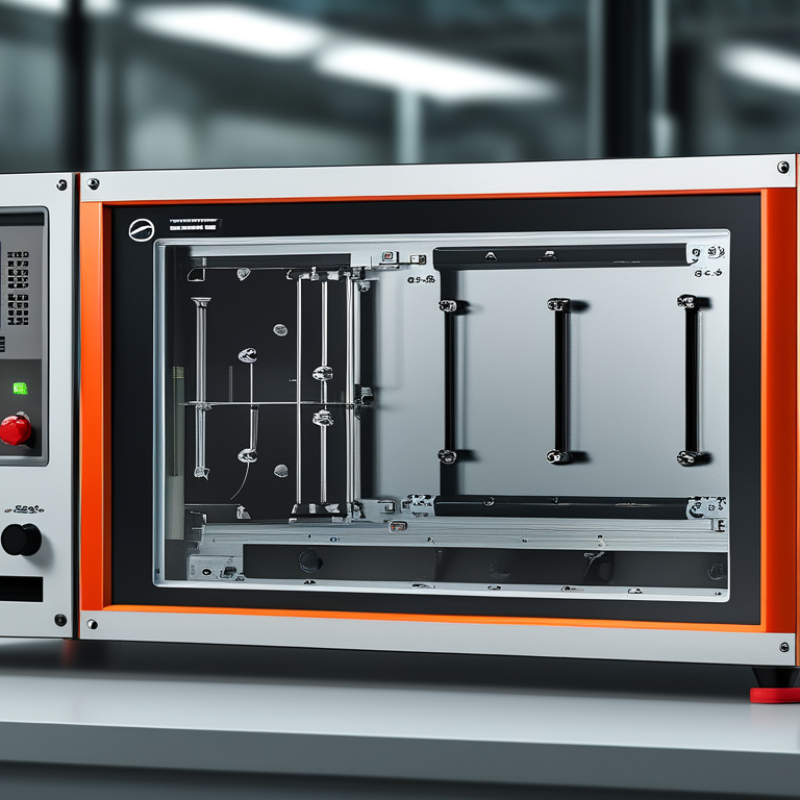
Temperature shock tests are crucial in assessing how materials react to extreme temperature changes. These tests simulate real-world conditions that products will experience during their lifecycle. Understanding the importance of these tests helps manufacturers ensure reliability and safety. The data gained can inform design improvements and enhance product longevity.
When selecting a temperature shock test chamber, consider the operational range. Some materials react poorly outside specific temperatures. A chamber must mimic these conditions accurately. Keep in mind that not all products require the same testing parameters. Some items might need rapid temperature transitions, while others can withstand slower changes.
Tips: Always document test results. This provides valuable insights for future reference. Cross-reference data with industry standards. A chamber that meets these can ensure consistent performance. Finally, consult experts. Their experience and knowledge can guide your selection. Relying on seasoned professionals can prevent costly mistakes in the testing process.
This chart represents the failure rates of different test samples conducted in a temperature shock test. Understanding how various samples react under abrupt temperature changes is crucial for ensuring product reliability and performance.
When selecting a temperature shock test chamber, understanding key features is critical. Consider the chamber’s temperature range first. It should cover both extreme hot and cold needs. A wide range allows for various testing scenarios. Look for rapid temperature change capabilities. Fast transitions stress materials and components effectively. This is crucial for accurate results.
The chamber’s size is another important factor. Ensure it accommodates your largest products. Actual internal dimensions can affect testing efficiency. Additionally, examine control systems and software. User-friendly interfaces make operation easier. Advanced programming features enable complex test cycles. These can save time and reduce human error.
Tip: Always consult user manuals and technical specifications thoroughly. This helps in evaluating if the chamber suits your specific requirements. Don't rush the selection process. Take time to reflect on your testing needs and future projects. Quality testing leads to reliable results over time.
| Feature | Description | Importance |
|---|---|---|
| Temperature Range | Range in which the chamber can operate, typically from -70°C to +150°C. | Determines the suitability for various testing applications. |
| Temperature Change Rate | Speed at which the temperature can change, measured in °C/min. | Critical for simulating real-world conditions accurately. |
| Chamber Size | Internal dimensions and usable volume of the chamber for test samples. | Ensures compatibility with the size of items being tested. |
| Controller Type | Digital vs analog controllers for programming tests. | Affects ease of use and precision in temperature settings. |
| Data Logging | The capability to record test parameters and results over time. | Essential for validation and reproducibility of tests. |
When selecting a temperature shock test chamber, it's vital to weigh the pros and cons of each type available. Two common types are the environmental chamber and the thermal shock chamber. Environmental chambers simulate temperature variations but may not replicate rapid temperature shifts accurately. Data indicates that these chambers can reach temperature ranges of -70°C to 180°C, but transition times can be slow, impacting testing outcomes.
On the other hand, thermal shock chambers offer swift temperature transitions. These chambers can cycle between extreme temperatures in minutes. A report from the International Test Standard suggests that thermal shock testing significantly enhances material reliability. Yet, the installation and running costs can be higher. Users must consider whether the benefits outweigh the financial investment.
Another aspect to reflect on is chamber size. Large chambers allow for more significant samples, but they consume more energy and space. Smaller chambers are easier to maintain, yet they limit test sample size. Evaluating these variables—cost, size, and speed—will lead to a more informed choice. Ultimately, the right chamber should align with your testing requirements while being mindful of budget constraints.
When selecting a temperature shock test chamber, consider both size and capacity. These factors are essential for effective testing. The chamber's volume influences the number of samples you can test at once. A larger chamber may seem appealing, but space should match your testing needs. Oversizing can lead to inefficient energy use, while undersizing may restrict testing capabilities.
Data indicates that testing environments can significantly affect results. For instance, a report from the Engineering Testing Journal shows that improper chamber sizing can distort thermal profiles. This leads to erroneous data and potential safety hazards. Many companies overlook the importance of size; a chamber that is too big can create uneven temperature distributions. This is essential in applications ranging from electronics to automotive components, where precision is critical.
Capacity is equally vital. It determines how many items you can place in the chamber without overlap. High-density loading can result in thermal interference, impacting test accuracy. It’s crucial to factor in the dimensions of your components. A space just slightly too small can compromise your entire test. Testing protocols should align seamlessly with the actual space requirements of your products. Understand your testing cycle, and adjust your requirements as needed.
When selecting a temperature shock test chamber, budget considerations play a crucial role. Quality equipment may come with higher upfront costs, but assessing long-term value is essential. A chamber with superior energy efficiency can lead to significant savings over time. Consider the energy consumption of different models. Lower operating costs enhance your investment in the long run.
Tips: Look for warranties or service guarantees. They can indicate the manufacturer’s confidence in their product. Also, consider maintenance costs before making a decision. A cheaper chamber might require frequent repairs, contradicting its initial savings.
Evaluate the long-term benefits of additional features. Advanced chambers may offer more versatility. They can handle a broader range of tests, which could save you money on future equipment purchases. Think about what kind of tests you’ll run now and in the future. Making a choice that accommodates growth can boost your lab’s capabilities and productivity.
: These tests assess how materials react to extreme temperature changes. They simulate real-world conditions products face.
They ensure material reliability and safety, influencing design improvements and enhancing product longevity.
Consider the operational range and specific temperature requirements of the materials being tested.
It can create uneven temperature distributions, distorting thermal profiles and leading to inaccurate test data.
Proper size influences sample capacity and ensures accurate thermal profiles for reliable results.
Assess upfront costs, energy efficiency, and long-term value to ensure a sound investment.
Documentation provides insights for future reference and helps in cross-referencing with industry standards.
High-density loading can cause thermal interference, impacting test accuracy and leading to false results.
A cheaper chamber might require frequent repairs, compromising its initial savings and long-term value.
Adjust your requirements based on the dimensions of your components and understand your testing cycle.
Choosing the right Temperature Shock Test Chamber is crucial for effectively assessing the durability of materials and products under rapid temperature changes. Understanding the significance of temperature shock tests can aid companies in evaluating their products' performance in extreme conditions while ensuring reliability and safety.
When selecting a test chamber, one should consider key features, such as temperature range, chamber size, and built-in programming capabilities. Various types of temperature shock test chambers come with their own advantages and disadvantages, making it important to analyze these factors alongside your specific testing requirements. Additionally, assessing budget considerations and evaluating long-term value can help stakeholders make informed decisions, ultimately leading to improved product quality and customer satisfaction.
