
How to Choose the Right Climate Test Chamber for Your Needs?

Time:2026-07-18 Author:Aria
0%

Choosing the right climate test chamber can significantly impact your research and development projects. But what is a climate test chamber? It is a specialized environment designed to simulate various climatic conditions. These chambers help assess the durability and performance of products against extreme temperatures, humidity, and other environmental factors.

When selecting a climate test chamber, consider your specific needs. Do you require high temperature, low temperature, or both? Understanding your testing parameters is essential for effective decision-making. Some chambers offer complex features, while others may provide basic functionalities. Think about your long-term goals. Investing in a versatile chamber could be beneficial for future projects.

The market is vast, and options can be overwhelming. Reflect on the reliability of the manufacturers and their support services. Read reviews and seek expert advice. A decision made without thorough research could lead to inefficiencies. Ask questions and explore different models. Each choice shapes the outcome of your experiments, making the selection process crucial.
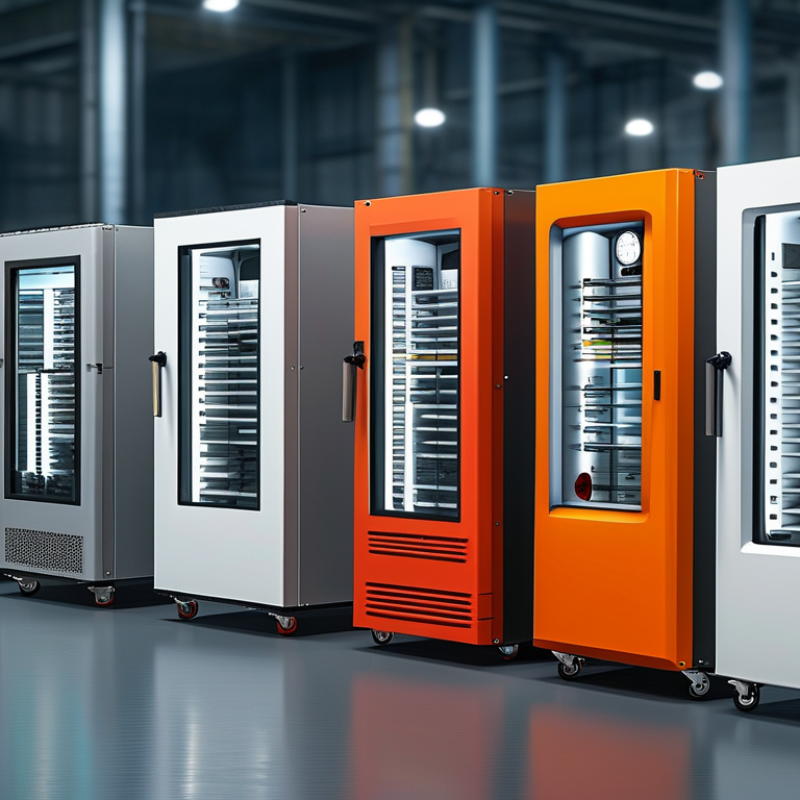
How to Choose the Right Climate Test Chamber for Your Needs?

Understanding Different Types of Climate Test Chambers and Their Applications

Climate test chambers are essential for simulating various environmental conditions. They help industries assess product performance under different climates. There are several types of test chambers, each designed for specific applications.

Temperature and humidity chambers are common. They maintain controlled conditions to test materials and electronics. These chambers simulate real-world environments. They can replicate extreme temperature fluctuations and high humidity levels. In contrast, altitude chambers mimic the effects of high altitudes. They are useful for aerospace and automotive testing. Environmental chambers combine multiple elements, such as vibration and thermal cycling. This versatility allows for comprehensive evaluations.

Selecting the right chamber requires understanding your specific needs. Consider the range of temperatures and humidity required. Think about the size of the materials being tested. Each model has its strengths and weaknesses. Testing capabilities differ significantly. Evaluate your project's goals to ensure the chosen chamber aligns with them. A poor choice could result in unreliable data. Thus, careful reflection is crucial.

Key Factors to Consider When Choosing a Climate Test Chamber

When selecting a climate test chamber, several key factors must be prioritized. Temperature and humidity ranges are crucial. For instance, many applications require stability between -70°C to 180°C. A recent industry report indicated that 30% of testing failures stemmed from inadequate temperature control. Understanding your specific requirements for environmental conditions is vital.

Another critical consideration is the chamber size. It should accommodate the products or materials intended for testing. Many users overlook this aspect, leading to compromised test results. A chamber that is too small can alter temperature dynamics. Moreover, pinpointing power requirements is necessary. Tests can be adversely affected if the chamber does not meet energy standards. Reports show that nearly half of the chambers operated are either over- or underpowered, impacting efficiency.

Finally, the ease of use and data logging capabilities cannot be ignored. Advanced models offer intuitive interfaces, while others may have outdated technology. This impacts the ability to monitor real-time data during tests. The industry places emphasis on user-friendly designs, yet many facilities still struggle with outdated equipment. A careful evaluation of these elements will ensure a more effective testing process.

Evaluating Chamber Specifications: Temperature Range, Humidity, and Size

When selecting a climate test chamber, understanding its specifications is crucial. Key features include temperature range, humidity levels, and size. A chamber's temperature range determines the extremes it can simulate. It’s essential to consider the conditions your products will face. Both high and low temperatures can impact their performance. For instance, electronic components may fail if exposed to excessive heat. Additionally, you want a chamber that meets your specific temperature needs.

Humidity levels are another critical factor. Some materials, like textiles or plastics, can absorb moisture, altering their properties. A chamber that maintains a consistent humidity range will provide more reliable test results. Consider how often you will need to adjust humidity settings. Frequent changes can lead to inconsistencies in testing, so think about your long-term requirements.

Size also plays a significant role. A chamber must accommodate your largest sample while allowing for effective air circulation. Many users underestimate the space needed for larger items or multiple samples. It’s important to visualize how your products will fit within the chamber. Measuring the dimensions beforehand can prevent future headaches, like overcrowding or compromised test conditions. Take time to reflect on your specific testing needs before making a decision.

Assessing Compliance with Industry Standards and Testing Protocols

Choosing the right climate test chamber requires understanding industry standards and testing protocols. Accurate compliance is crucial for product development and reliability. The International Organization for Standardization (ISO) sets benchmarks for climate testing, such as ISO 17025, which focuses on laboratory competence and reliability.

Organizations must ensure that their chambers meet these standards. According to a survey, 75% of testing labs reported issues with achieving consistent climate conditions. Variations can lead to inaccurate test results and potential product failures. Calibration is essential to maintain chamber performance. Regular checks can help avoid discrepancies that affect data integrity.

Investing in quality climate test chambers pays off. A study indicated that testing compliance improved product lifespan by up to 30%. Success in product testing depends on choosing chambers that align with your specific needs. Companies need to be proactive in understanding guidelines around temperature, humidity, and other factors to ensure proper testing protocols are followed.

Cost-Benefit Analysis: Investment vs. Long-Term Performance Considerations

When selecting a climate test chamber, cost is a crucial factor. Many buyers focus solely on the initial investment, but this can lead to regret later. An affordable option might perform poorly over time, leading to higher maintenance costs and lost data. It's important to evaluate the long-term operational expenses against the upfront price.

Consider energy efficiency and reliability. A higher-priced chamber may have advanced technology that saves energy. This can cut costs significantly over its lifetime. Think about how often you'll use the chamber. If rigorous testing is frequent, investing in a durable model pays off.

Assessing the return on investment is not straightforward. Price tags can be misleading. A cheaper chamber might not meet the necessary requirements, leading to delays and potential product failures. Reflect on your needs and projected usage carefully. This is about balancing immediate costs with future benefits. Each feature should align with your testing goals to avoid costly mistakes down the road.

How to Choose the Right Climate Test Chamber for Your Needs? - Cost-Benefit Analysis: Investment vs. Long-Term Performance Considerations

Test Chamber Type Initial Investment (USD) Operating Cost/year (USD) Expected Lifespan (Years) Performance Rating (1-10) Total Cost Over Lifespan (USD)
Thermal Shock Chamber $25,000 $2,000 10 8 $45,000
Humidity Test Chamber $20,000 $1,800 12 9 $42,600
Environmental Test Chamber $30,000 $2,500 15 7 $67,500
Walk-In Test Chamber $50,000 $3,000 20 8 $110,000
Benchtop Test Chamber $15,000 $1,200 8 9 $24,600

FAQS

: What factors should I consider when selecting a climate test chamber?

: Key factors include temperature range, humidity levels, and size. These features impact the effectiveness of your testing.

Why is temperature range important?

The temperature range determines the extremes the chamber can simulate. It's vital for testing product performance under specific conditions.

How does humidity affect testing results?

Humidity levels can alter material properties. A stable humidity range leads to more consistent and reliable test outcomes.

What is a common mistake when choosing chamber size?

Many underestimate the space needed for larger samples. Visualizing product fit can prevent overcrowding and testing issues.

Why is compliance with industry standards necessary?

Compliance ensures reliable and accurate test results. Failing to meet these standards can lead to product failures.

How often should calibration checks be performed?

Regular calibration checks are crucial. They help maintain performance and prevent discrepancies affecting test data integrity.

Are cheaper climate test chambers a good investment?

Not always. Cheaper options may lead to higher maintenance costs and may not meet necessary testing requirements.

What role does energy efficiency play in choosing a chamber?

Energy-efficient models can significantly lower long-term costs. This can make them more economical over time.

How does frequent testing impact chamber selection?

If you conduct rigorous testing often, investing in a durable model is wise. It improves reliability and reduces downtime.

Should I focus only on initial costs when purchasing a chamber?

No, focusing solely on initial costs can be misleading. Consider long-term operational expenses and potential future benefits.

Conclusion

A climate test chamber is an essential tool used to simulate and evaluate environmental conditions and their effects on products. When selecting the right climate test chamber for your needs, it's important to understand the different types available and their specific applications. Key factors to consider include the chamber's temperature range, humidity control, and overall size, as these specifications can significantly impact your testing outcomes. Additionally, compliance with industry standards and testing protocols is crucial for ensuring accurate and reliable results.

Conducting a cost-benefit analysis is fundamental to making an informed decision, balancing the initial investment against the long-term performance and utility of the chamber. By carefully assessing these considerations, you can choose a climate test chamber that effectively meets your requirements and enhances your product development processes.

Aria

Aria

Aria is a dedicated marketing professional with a deep passion for innovative strategies and a keen understanding of our company's product offerings. With a wealth of experience in the industry, Aria excels at crafting engaging content that highlights the unique features and benefits of our......