
How to Make a Climate Chamber for Optimal Testing Conditions?

Time:2026-07-13 Author:Amelia
0%

Creating a climate chamber can greatly enhance testing conditions for various experiments. Understanding how to make a climate chamber ensures that researchers control essential variables like temperature and humidity. This control is vital for obtaining accurate and reproducible results.

The design of a climate chamber often involves critical elements such as insulation and reliable heating systems. Simple mistakes can lead to significant discrepancies in data. It’s essential to reflect on the chosen materials and their effectiveness. Not all setups yield the desired outcomes, and iterative improvements are often necessary.

Moreover, building a climate chamber requires an efficient layout. This includes proper airflow and placement of instruments. The process may take time and adjustments, which can sometimes lead to frustration. However, each challenge provides valuable insights for better future designs.
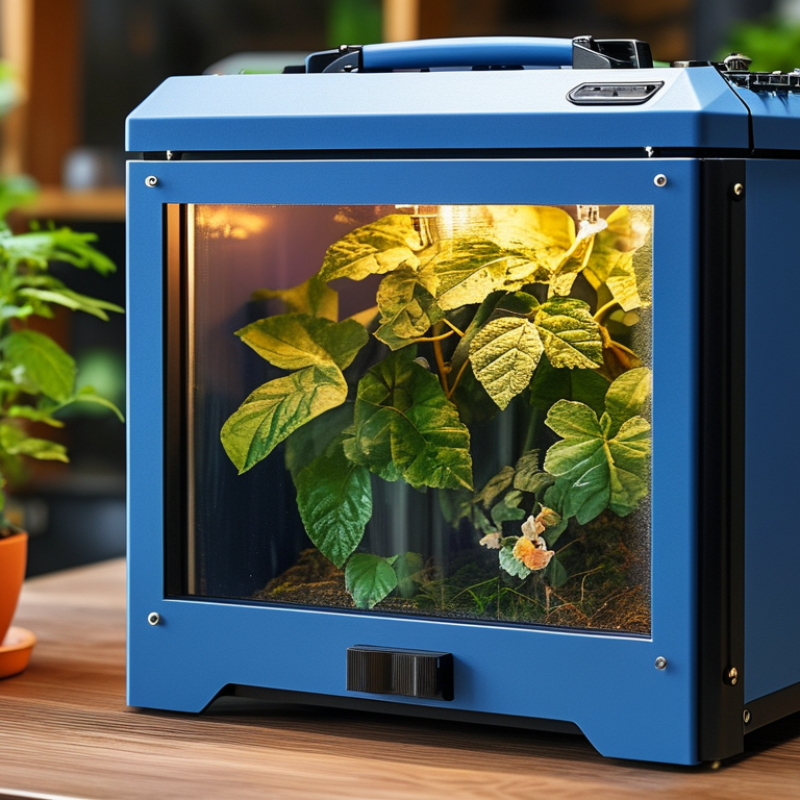
How to Make a Climate Chamber for Optimal Testing Conditions?

Understanding the Purpose and Importance of a Climate Chamber

A climate chamber serves as a controlled environment for testing various materials and products. It simulates different temperatures and humidity levels, essential for accurate testing. This helps researchers understand how their products will perform in real-world conditions. Whether it's for electronics or pharmaceuticals, a climate chamber provides pivotal insights.

The importance of a climate chamber lies in its reliability. Many industries rely on these chambers for rigorous testing. However, setting one up is not without challenges. The calibration process can often be tricky. If not done correctly, it may yield inaccurate results. Users should carefully monitor conditions inside the chamber. Regular checks keep the environment stable, ensuring valid testing outcomes.

Moreover, creating a climate chamber requires attention to detail. Each component must be tailored to specific testing needs. The insulation, for instance, plays a critical role in maintaining temperature. It's vital to choose materials that can withstand various conditions. Mistakes in this phase can lead to wasted resources and time. Continuous learning and adjustment are crucial for optimizing chamber performance.

Climate Chamber Temperature and Humidity Data

Essential Components Needed to Build a Climate Chamber

Building a climate chamber requires several essential components to ensure optimal testing conditions. For precise temperature control, a reliable thermostat is crucial. Studies indicate that a temperature fluctuation of only 1°C can significantly impact experimental outcomes. In addition to temperature control, humidity management plays a vital role. A quality hygrometer can help maintain desired humidity levels, as varying humidity can influence material properties, affecting the results.

Isolation from external factors is another critical aspect. Insulation materials, such as fiberglass or foam board, help minimize heat loss. This will ensure stable internal conditions. The size of the climate chamber also matters. A smaller chamber may offer better control, but a larger one allows for testing multiple samples simultaneously. It's important to find a balance that suits your specific needs.

Lastly, consider air circulation. Fans or blowers help distribute temperature evenly throughout the chamber. Uneven temperature distribution can lead to inconsistent test results. A common recommendation is to achieve air circulation rates around 1-2 m/s. This facilitates a homogeneous environment. Building a climate chamber is not without challenges, but carefully selecting components can lead to more reliable results.

Step-by-Step Guide to Constructing a Climate Chamber

Building a climate chamber can significantly enhance your testing capabilities. The process begins with defining the chamber’s purpose. Different experiments require specific temperature and humidity settings. According to the International Society of Indoor Air Quality and Climate, maintaining precise control over these variables can improve test reliability by up to 40%.

Choose robust materials for construction. Insulation is critical. Use materials that can withstand both high and low temperatures. A common choice is polystyrene for the walls. Ensure sealed edges to prevent air leaks, which can disrupt internal conditions. A well-constructed chamber allows for precise climate simulation, vital for accurate testing.

Equipping the chamber with sensors is essential. Use reliable temperature and humidity sensors to monitor the environment. Regular calibration is necessary to ensure accuracy. Some reports suggest that up to 10% of results can skew due to sensor inaccuracies. Once operational, routinely check all components. This can help detect issues early. Maintaining a climate chamber is an ongoing process that requires attention to detail.

How to Make a Climate Chamber for Optimal Testing Conditions? - Step-by-Step Guide to Constructing a Climate Chamber

Component Description Material Purpose
Insulation Thermal insulation materials for chamber walls Polyurethane foam Minimize heat loss
Heating Element Device to increase temperature inside the chamber Electric resistance heater Regulate temperature
Cooling System System to lower the temperature Compressor and refrigerant Control temperature
Humidity Control Maintains optimal humidity levels Ultrasonic humidifier Control moisture levels
Thermometer Device to measure temperature Digital thermometer Monitoring temperature
Hygrometer Device to measure humidity Digital hygrometer Monitoring humidity

Optimal Calibration Techniques for Your Climate Chamber

Calibrating a climate chamber is essential for accurate testing. This process involves setting precise temperature and humidity levels to mimic real-world conditions. Begin by selecting reference instruments that are reliable and sensitive. Ensure these tools are regularly calibrated themselves to maintain accuracy. Use digital hygrometers and thermometers for precise measurements.

When adjusting the chamber settings, small errors can lead to significant variations. Adjustments should be made gradually. Monitor the chamber's response to ensure it stabilizes at the desired points. It’s important to allow enough time for conditions to equilibrate. Document any discrepancies, as these can provide insight into the calibration process.

Be aware that atmospheric conditions can vary, and this might affect your results. Testing under different conditions can expose flaws in your setup. Take these moments to reflect on your methods. If discrepancies arise, don’t hesitate to reassess the instruments or the calibration techniques you are using. In the pursuit of optimal calibration, careful attention to detail and a willingness to adapt are critical.

Common Challenges and Troubleshooting Tips for Climate Chambers

Climate chambers are essential for testing various environmental conditions. However, they come with their own set of challenges. Temperature calibration is often problematic. Data from a 2022 study by the International Society of Climate Research showed that nearly 30% of chambers have inconsistent temperature outputs. Regular calibration and maintenance are critical to ensure accuracy.

Another common issue is humidity control. Fluctuations can lead to experimental errors. According to the Journal of Environmental Testing, 25% of experiments failed due to humidity deviating from set levels. Using high-quality sensors can minimize this problem. Moreover, consider your chamber's design. A well-placed fan can improve air circulation, but improper placement may cause hotspots.

Lastly, ensure your climate chamber is not overloaded. Overcrowding can disrupt airflow and heat distribution. A report from the Environmental Testing Association indicated that chambers operating near full capacity experienced up to 15% longer recovery times after temperature changes. This highlights the delicate balance needed for optimal conditions. Testers should remain vigilant about these factors, adjusting their setup as necessary for reliability.

FAQS

: What is the purpose of a climate chamber?

: A climate chamber simulates various temperatures and humidity levels. It helps test materials and products reliably.

Why is calibration important for climate chambers?

Calibration ensures accurate temperature and humidity levels. This mimics real-world conditions for precise testing results.

What challenges do users face when calibrating climate chambers?

Calibration can be tricky. Small errors in settings can lead to significant variations in test outcomes.

How can humidity control affect testing outcomes?

Inconsistent humidity levels may lead to errors. About 25% of experiments fail due to humidity issues.

What should be checked regularly in a climate chamber?

Regular checks on temperature and humidity conditions are essential. This keeps the environment stable for valid results.

What can happen if a climate chamber is overloaded?

Overcrowding disrupts airflow and heat distribution. This can extend recovery times after temperature changes.

Why is continuous learning important when using a climate chamber?

Each setup can have flaws. Reflecting on methods allows for adjustments and optimizations to improve chamber performance.

What materials are important for chamber insulation?

Choosing durable materials for insulation is vital. They need to withstand various temperature conditions effectively.

What instruments are recommended for calibration?

Reliable digital hygrometers and thermometers are ideal. Ensure they are regularly calibrated for accuracy.

How can design affect the performance of a climate chamber?

Proper fan placement can improve air circulation. Improper placement may create hotspots and affect test results.

Conclusion

To understand how to make a climate chamber, one must first recognize its purpose in providing controlled environmental conditions for various testing processes, which is crucial for research and development. The essential components needed for building a climate chamber include items such as insulation materials, temperature and humidity sensors, and appropriate heating and cooling systems.

The construction process involves a step-by-step guide that outlines proper assembly, ensuring all components work harmoniously. Once built, optimal calibration techniques must be applied to maintain the accuracy of temperature and humidity levels. Additionally, users should be aware of common challenges that may arise during operation and have troubleshooting tips prepared to address these issues effectively. By following these guidelines, one can successfully create a climate chamber tailored to their specific testing needs.

Amelia

Amelia

Amelia is a seasoned marketing professional with a wealth of expertise in our company’s core offerings. With an unwavering passion for driving growth and innovation, she plays a pivotal role in shaping our marketing strategies and enhancing brand visibility. A key aspect of her responsibilities......