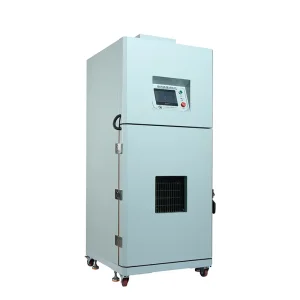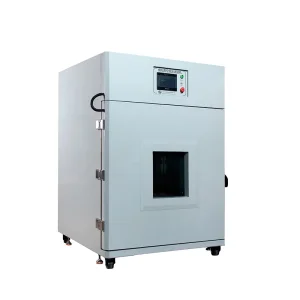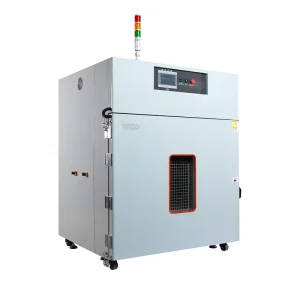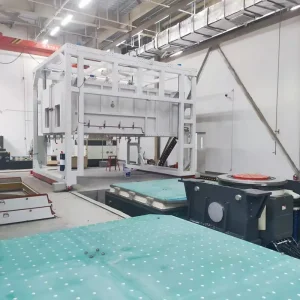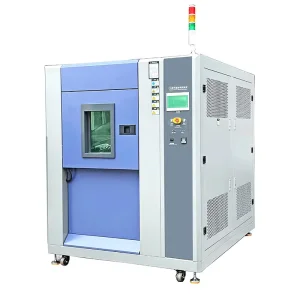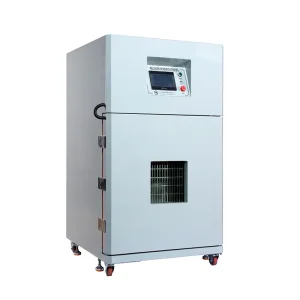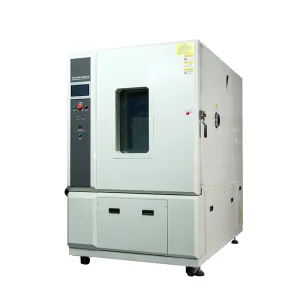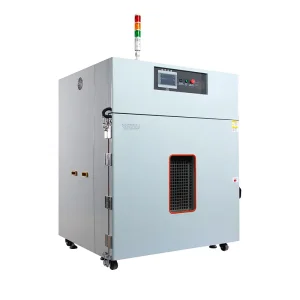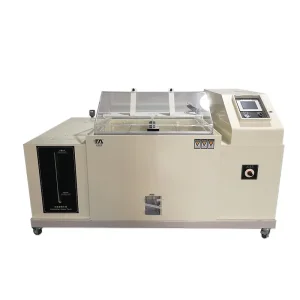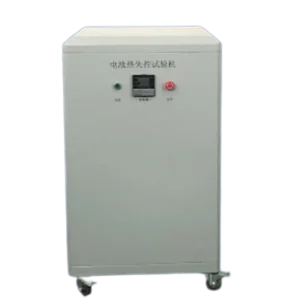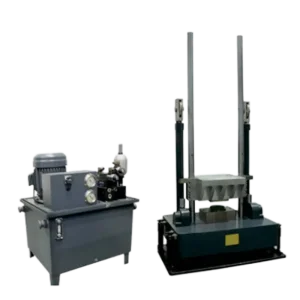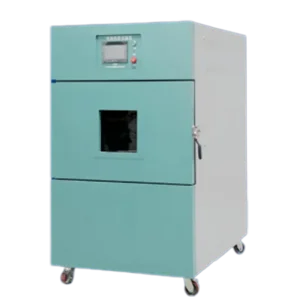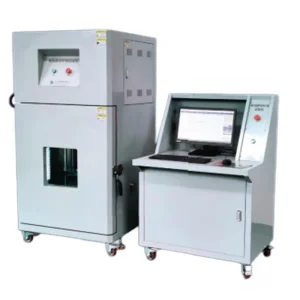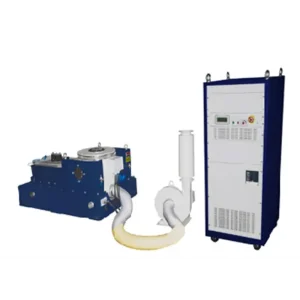
In the rapidly evolving landscape of Energy Storage Systems (ESS) and Electric Vehicles (EV), the Acceleration Impact Test System has emerged as a cornerstone of safety verification. As global battery production shifts toward higher energy density, the risks associated with physical trauma—such as drops, collisions, and sudden decelerations—have necessitated a paradigm shift in how we test and validate battery modules.
Modern battery manufacturing is no longer just about meeting local standards; it is about global interoperability. International regulations such as UN 38.3, UL 2580, and IEC 62619 require rigorous mechanical integrity testing. Manufacturers are increasingly integrating AI-driven diagnostics into their acceleration test rigs, allowing for real-time data acquisition and predictive failure modeling during impact events.
The Chinese manufacturing ecosystem, specifically regarding testing equipment, has undergone a structural transformation. We are witnessing the rise of "intelligent factories" where precision testing equipment—like our acceleration impact systems—is seamlessly integrated into automated production lines. This reduces human error, enhances data repeatability, and ensures that every battery pack, from consumer electronics to heavy-duty EV modules, meets the highest safety benchmarks before leaving the factory.
For international buyers, the challenge is balancing cost-effectiveness with rigorous quality assurance. Global corporations are moving away from purely price-based procurement. They are looking for partners who provide full-cycle support, from custom design for unique battery form factors to installation, calibration, and after-sales maintenance. The demand is shifting towards modular testing solutions that can adapt to changing battery chemistries and form factors.
An acceleration impact test isn't merely dropping an object; it is a highly controlled physics experiment designed to simulate real-world catastrophe scenarios. Our systems utilize digital height setting mechanisms to ensure the exact potential energy is converted into kinetic energy upon impact, providing highly repeatable results that are crucial for R&D phases.
Sub-millimeter control over impact height and angle, ensuring data integrity.
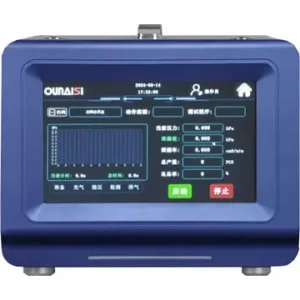
PLC integration for full operational control and data logging.
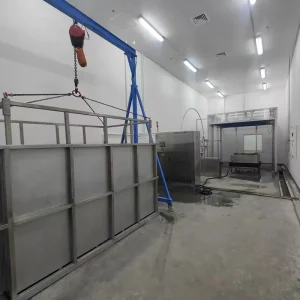
Multi-layered protective shielding for hazardous testing environments.
Battery packs in EVs are subject to vibrations, road shocks, and potential accidents. Acceleration impact testing mimics the G-forces experienced during these events to ensure the structural integrity of the casing and the chemical stability of the cells inside.
Our acceleration impact systems feature adjustable fixtures and programmable height/release mechanisms, allowing them to be calibrated for a wide range of battery sizes, from small consumer pouch cells to massive automotive battery modules.
Our machines are equipped with advanced sensors and PLC control systems that enable remote monitoring, cloud-based data logging, and integration with factory-wide ERP systems for total quality management and traceability.
Yes, our equipment is specifically engineered to meet and exceed global safety standards. We provide documentation and calibration certificates that support compliance audits for battery manufacturers worldwide.