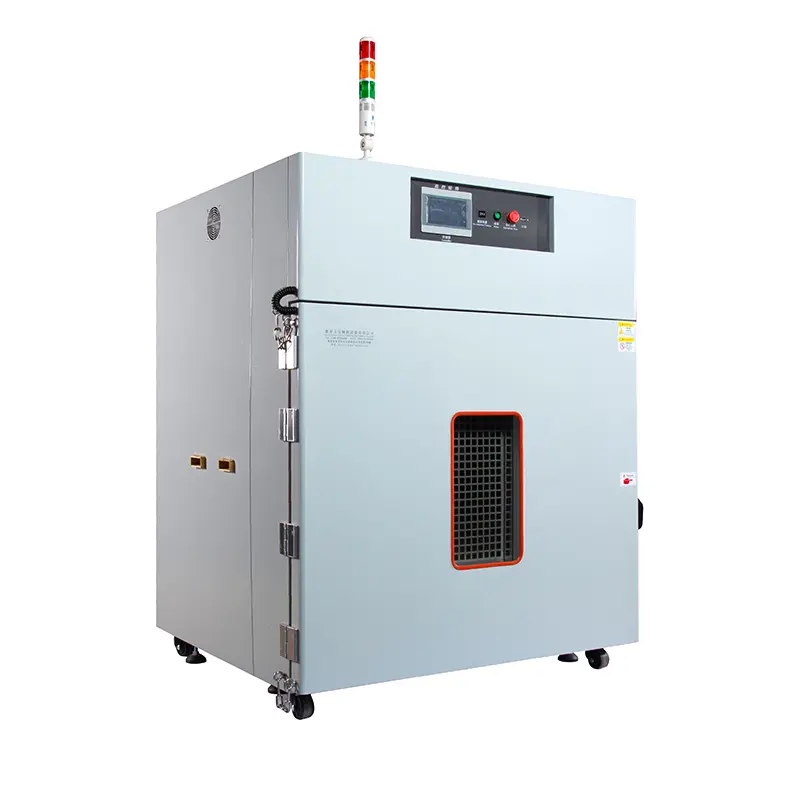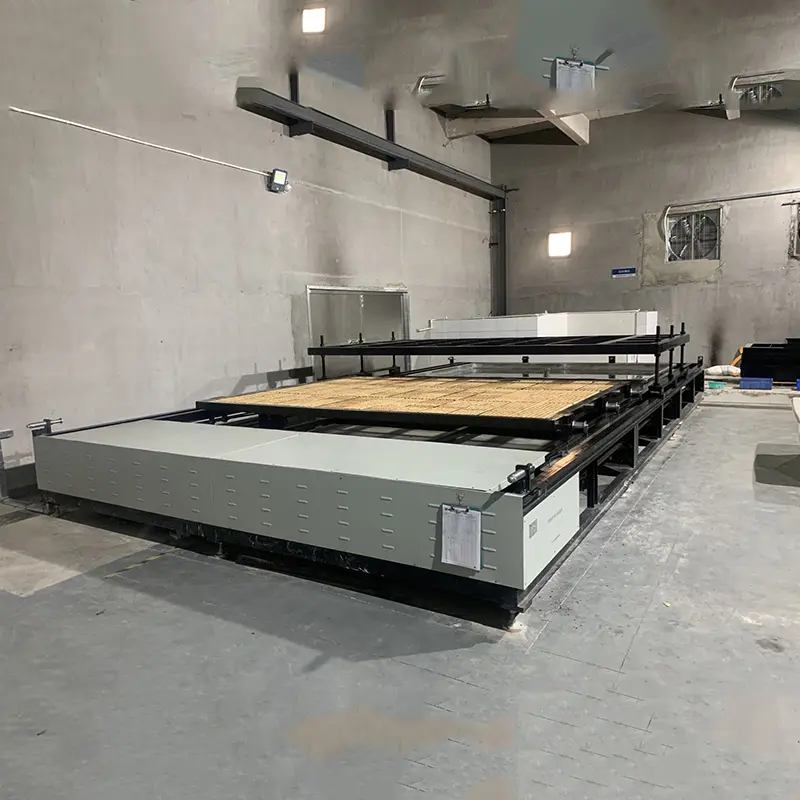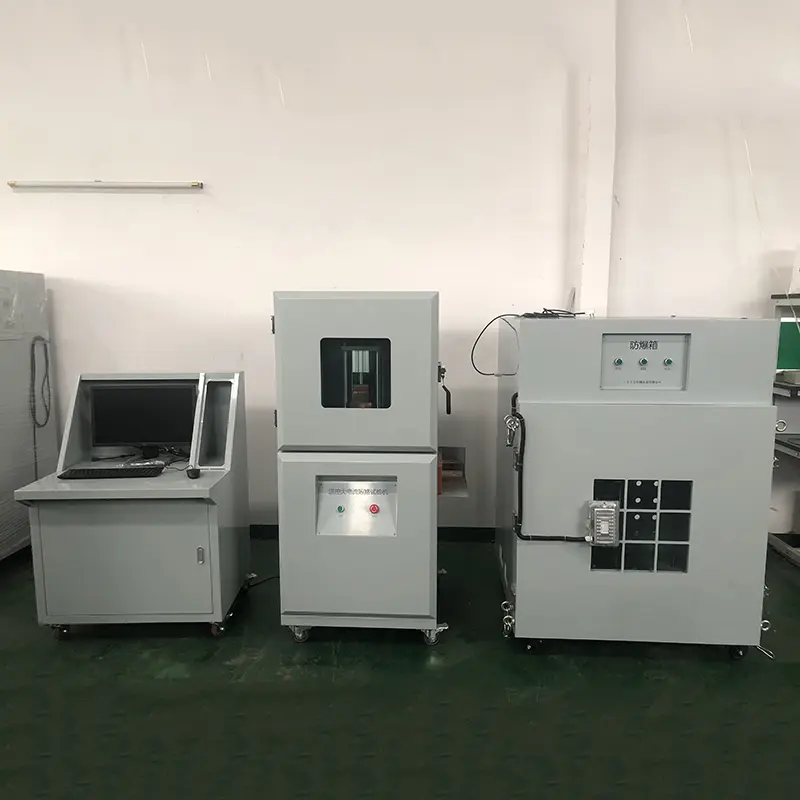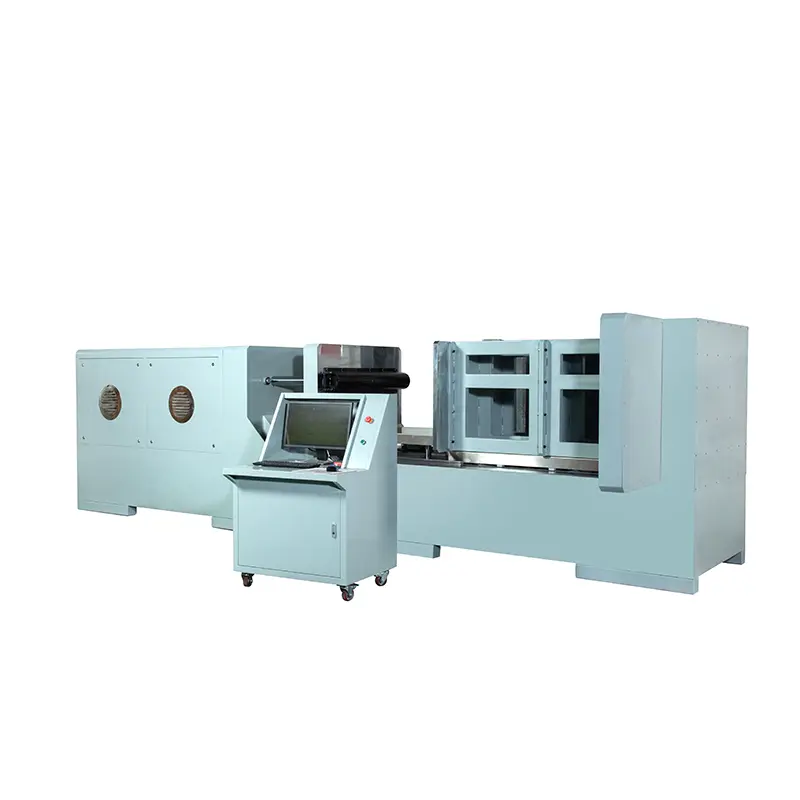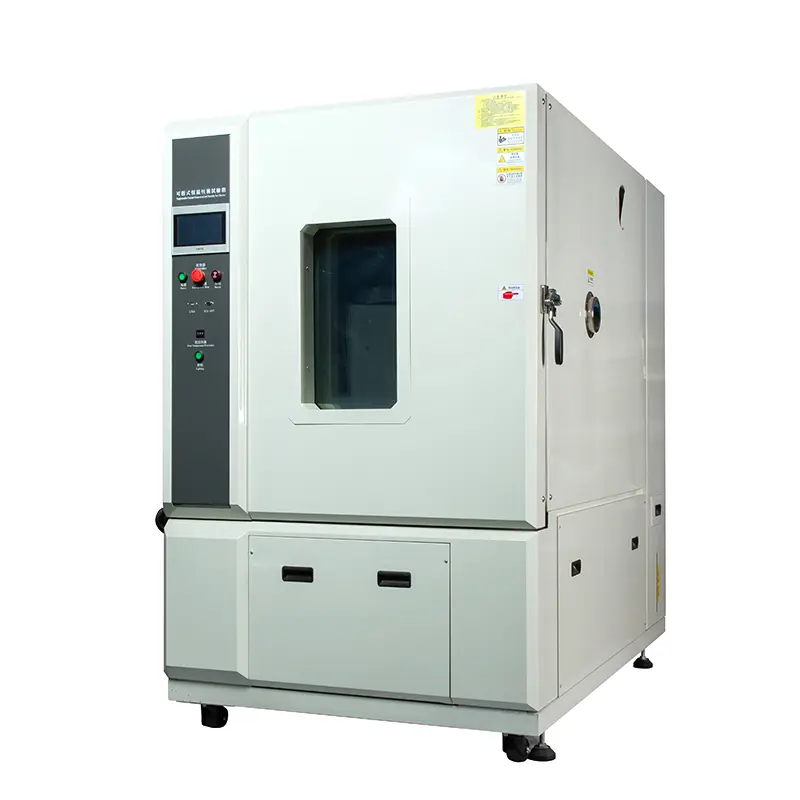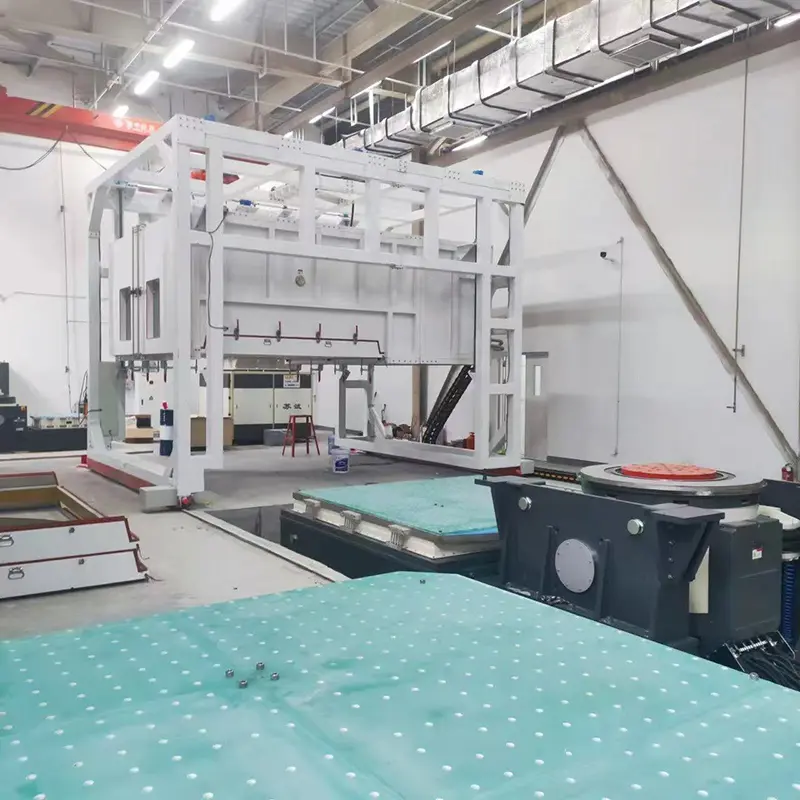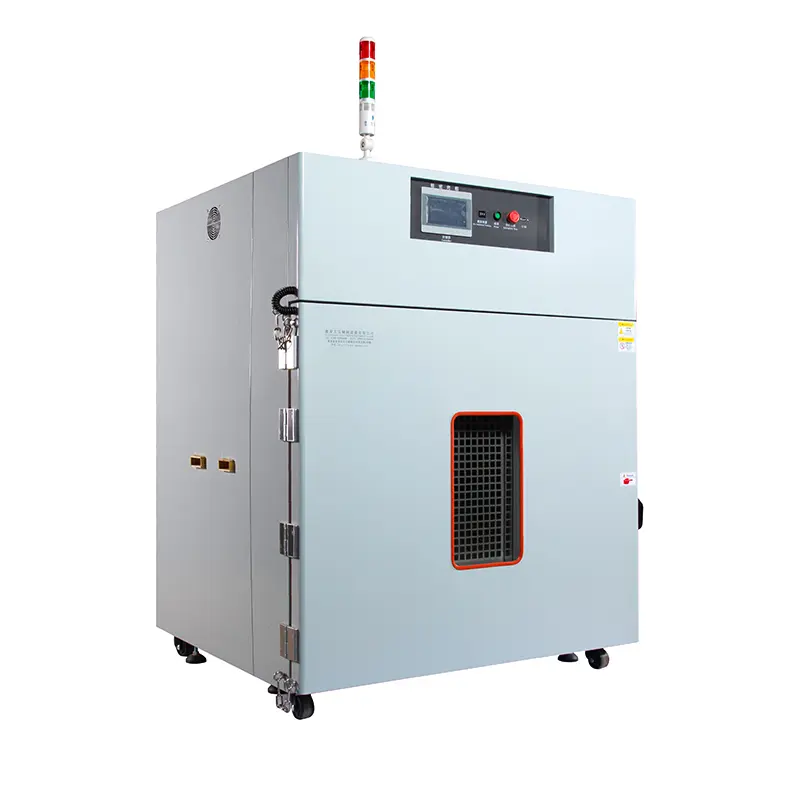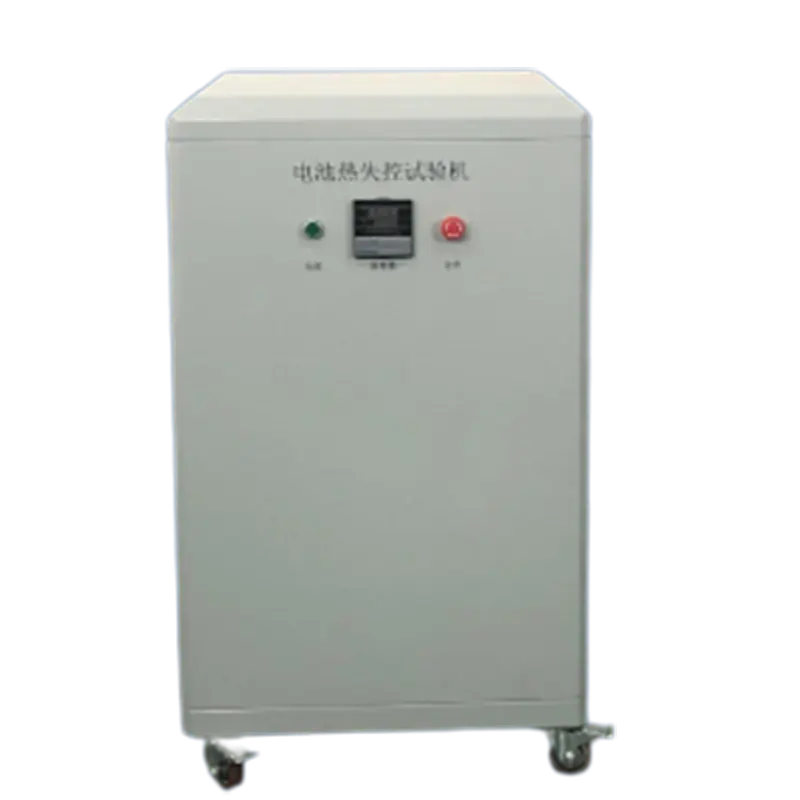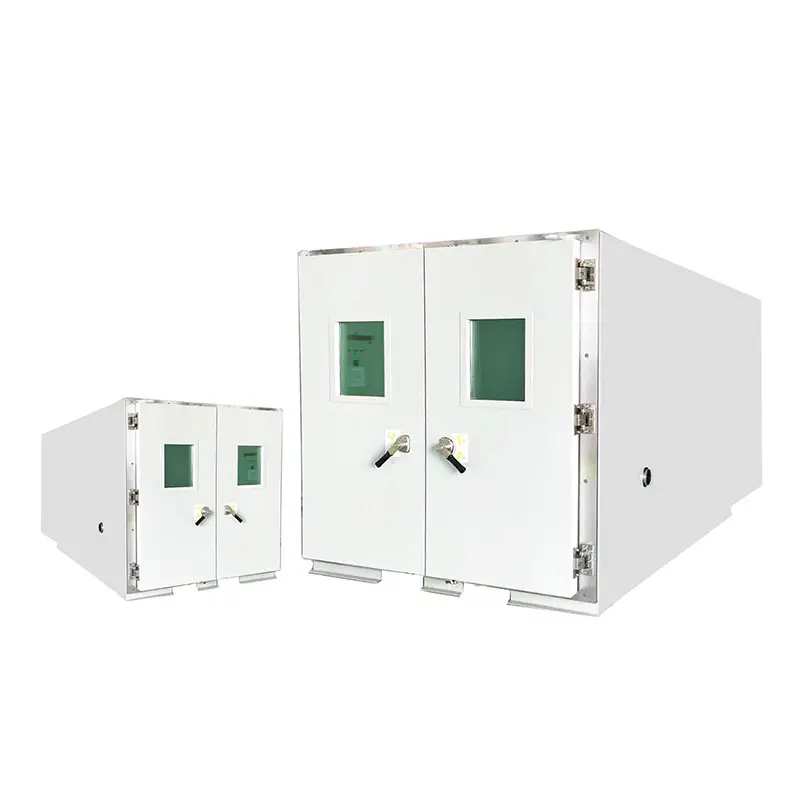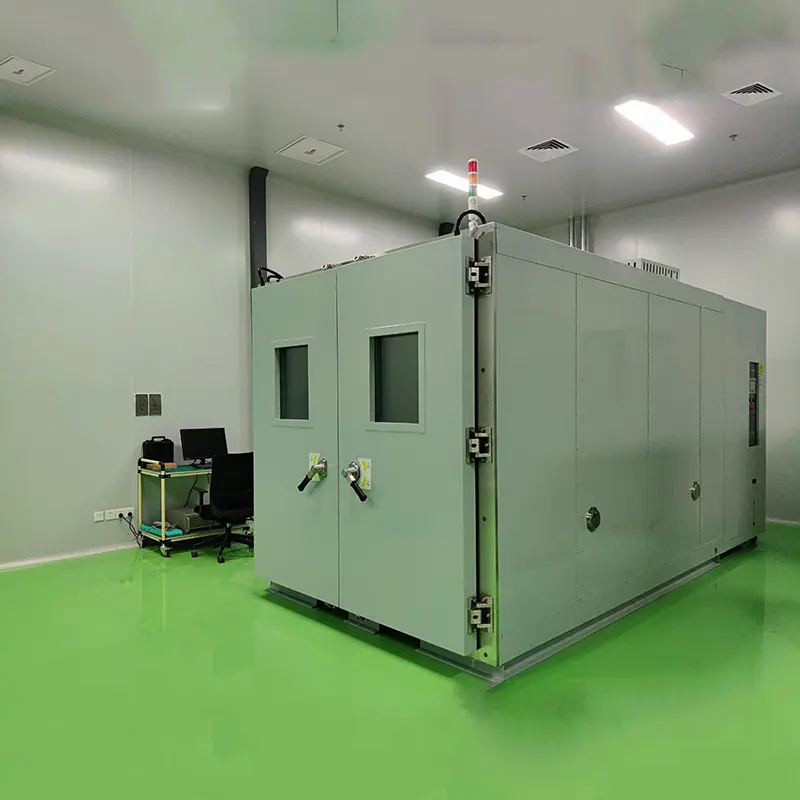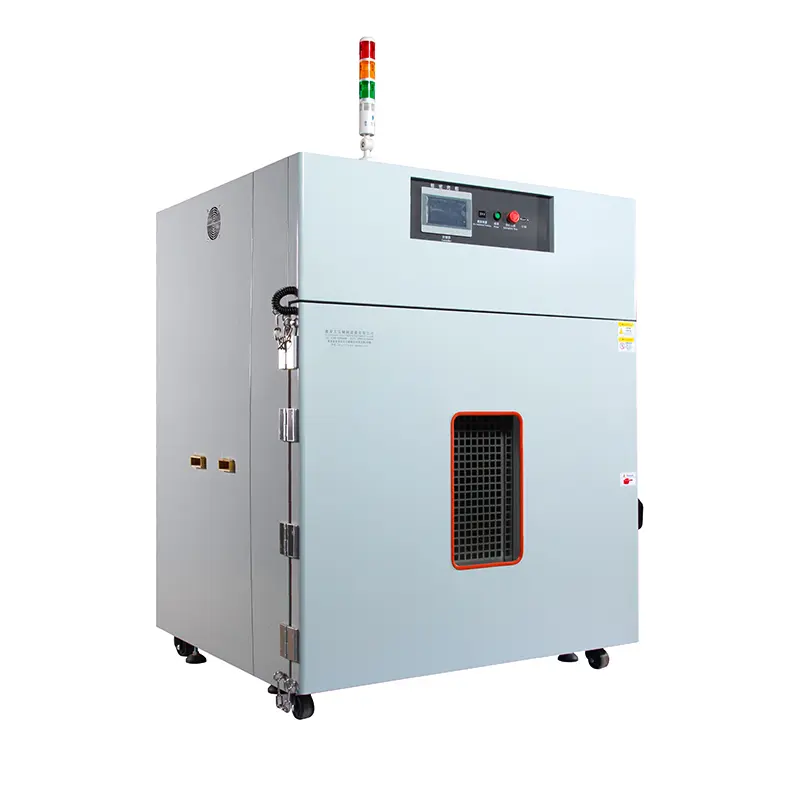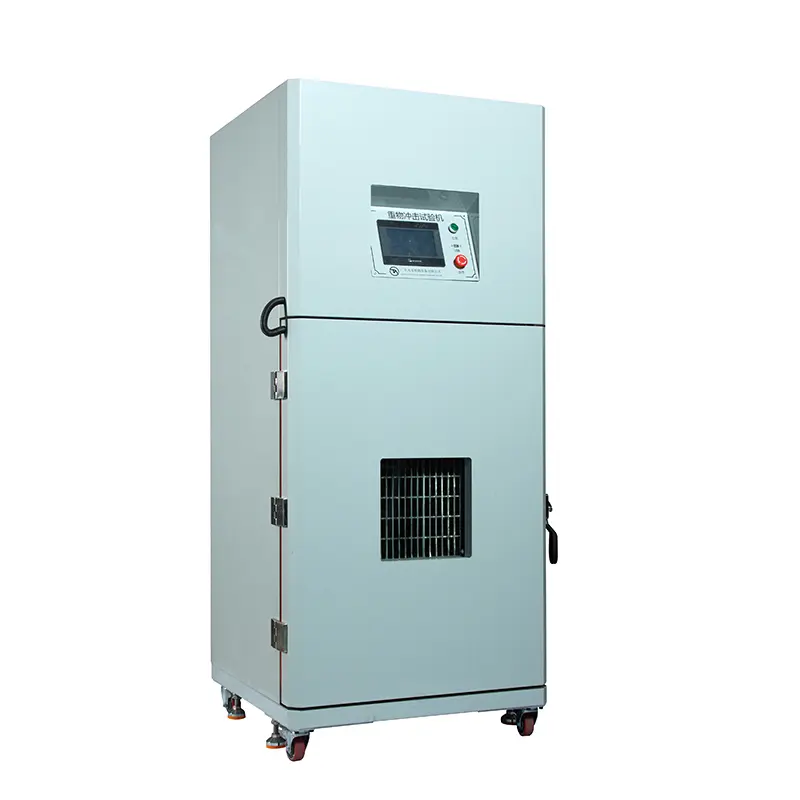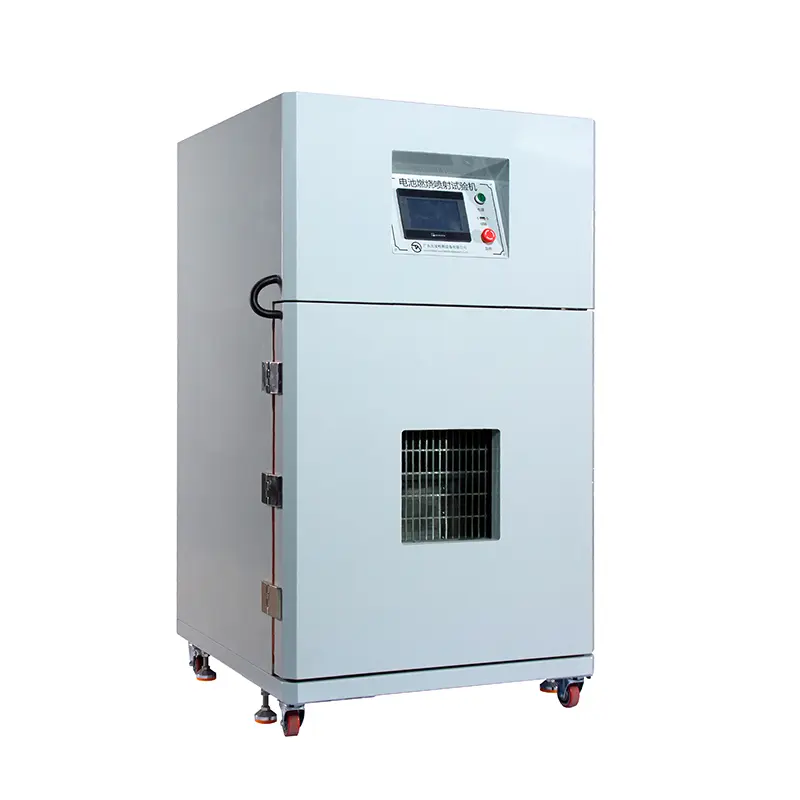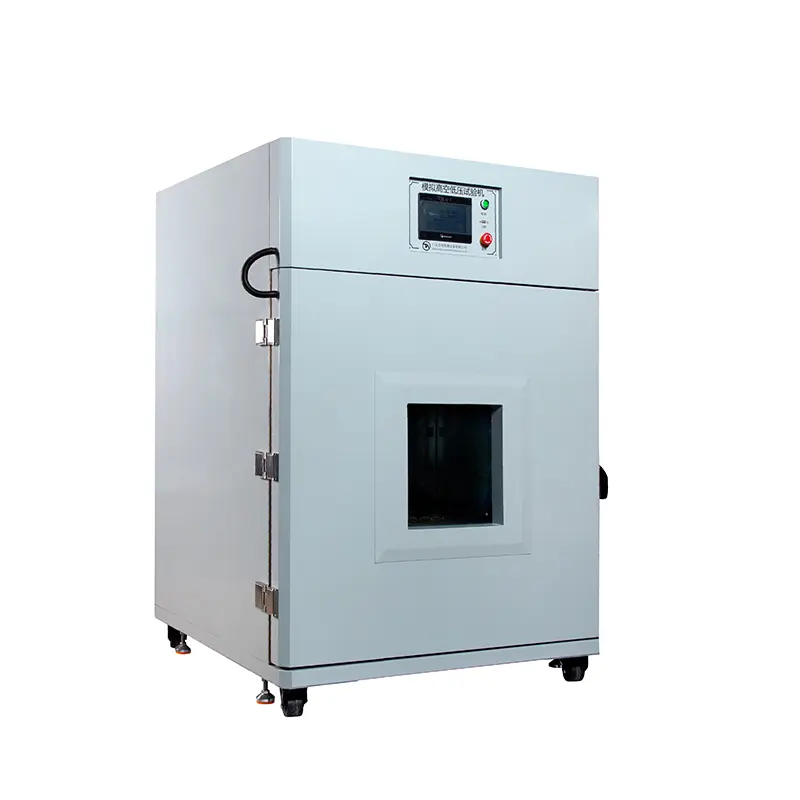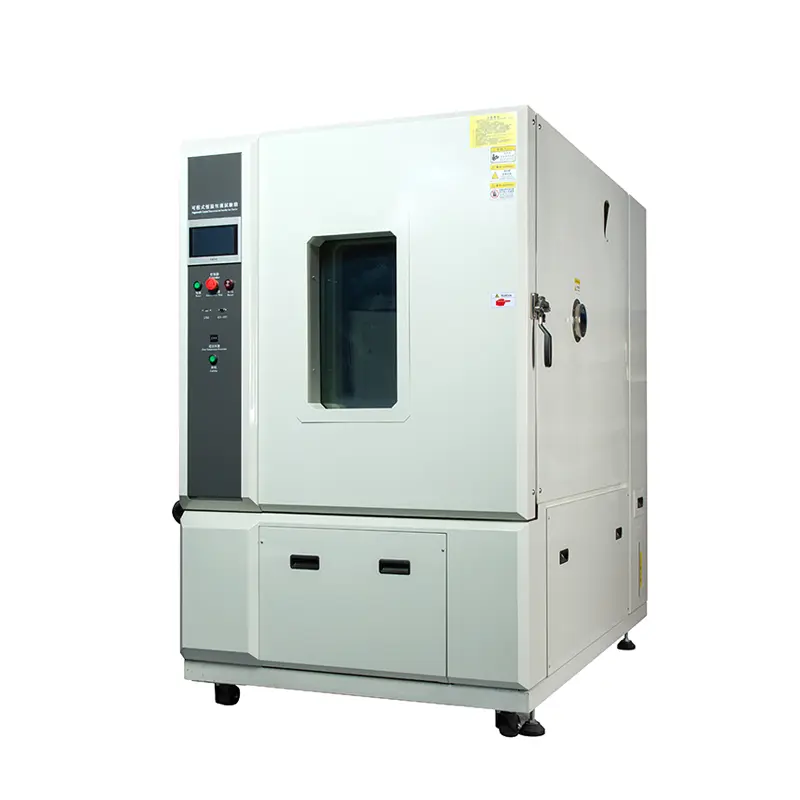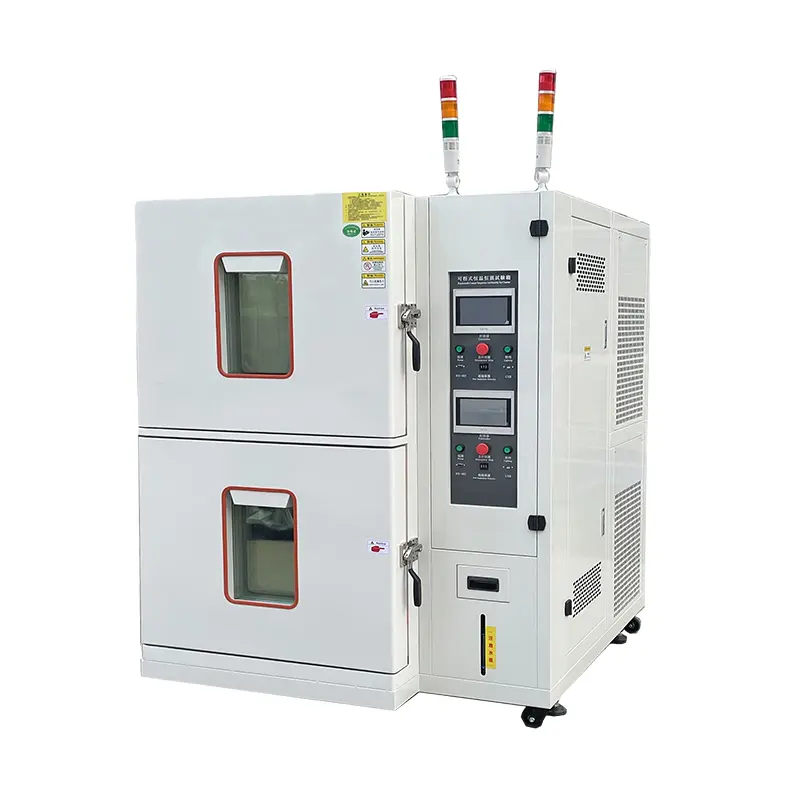
As the world accelerates toward a carbon-neutral future, the demand for high-performance Lithium-ion batteries has surged exponentially. From Electric Vehicles (EVs) and E-bikes to massive Energy Storage Systems (ESS) for power grids, the heart of this transition lies in battery technology. However, with higher energy density comes increased safety risks. This is where the Battery Abuse Test System becomes the critical guardian of technological progress.
Globally, the industry is shifting from basic safety checks to rigorous "abuse" simulations. Manufacturers are no longer just asking if a battery works under normal conditions; they are demanding to know exactly how it fails under extreme stress. This shift is driven by international standards such as UL 2580, IEC 62619, UN 38.3, and GB 38031. A Battery Abuse Test System is designed to simulate these worst-case scenarios, including thermal runaway, internal short circuits, mechanical crushing, and external fire exposure.
"Safety is not an option; it is the foundation of the green energy revolution. Our systems provide the data needed to make batteries safer, more reliable, and ready for the global stage."
The industrial status today reveals a competitive landscape where battery giants in North America, Europe, and Asia are investing billions in R&D facilities. These facilities require specialized equipment capable of handling high-capacity battery packs (often exceeding 100kWh) and managing the hazardous outputs of a failed battery—smoke, toxic gases, and intense heat—during a test.

Modern testing systems are integrating AI to predict failure points before they occur, using high-speed data acquisition to analyze thermal propagation patterns.

Safety is paramount. Real-time video surveillance and remote control allow engineers to conduct destructive tests from the safety of a fortified control room.

The trend is moving toward "Combined Stress Testing"—simulating vibration, extreme cold, and high current simultaneously to mimic real-world EV crashes.
Furthermore, the rise of Solid-State Batteries and Sodium-ion Batteries is creating new requirements for test systems. These next-generation chemistries behave differently under abuse, requiring more sensitive temperature acquisition and different fire suppression strategies within the test chambers. As a leading China Battery Abuse Test System manufacturer, Taian Intelligent Equipment is at the forefront of developing these adaptive technologies.
Enterprises worldwide—from Tesla-tier OEMs to specialized third-party labs like TUV and UL—face common challenges when procuring battery test equipment: customization, lead time, and compliance. A standard off-the-shelf chamber often fails to meet the specific dimensions of a proprietary battery pack or the unique safety protocols of a local municipality.
Taian understands these localized needs. Our equipment is built with modularity in mind, allowing for "Walk-in" configurations for entire vehicles or compact chambers for individual cells. Our CE Certification ensures that our products meet the rigorous safety and environmental standards of the European market, making us a preferred global partner.
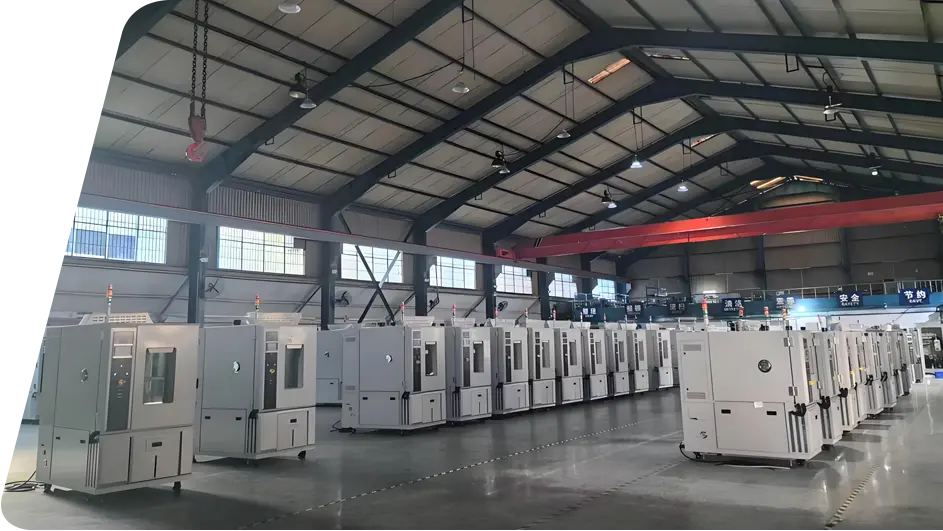
Taian Intelligent Equipment (Guangdong) Co., Ltd., situated in the manufacturing hub of Qiaotou, Dongguan, was founded in 2017 with a vision to revolutionize the testing instrument industry. With a registered capital of 12 million RMB and a 10,000㎡ state-of-the-art facility, we have rapidly ascended as a national high-tech enterprise.
Our core expertise is split into two specialized divisions: Environmental Test Equipment and Battery Safety Test Equipment. By integrating R&D, production, sales, and comprehensive after-sales service, we provide a closed-loop solution for our clients.
Choosing Taian as your China Battery Abuse Test System manufacturer offers unparalleled strategic advantages:
Located in Dongguan, the "World's Factory," we have immediate access to the highest quality components, from Japanese PLC controllers to German-engineered refrigeration compressors, ensuring rapid production cycles.
We offer premium, high-precision equipment at a fraction of the cost of Western competitors, without compromising on safety or material quality (using SUS#304 stainless steel and explosion-proof valves).
Our in-house R&D team can modify chamber dimensions, testing parameters, and software interfaces in weeks, whereas large multinational firms may take months.