Premium simulation devices engineered for extreme structural, thermal, and dynamic evaluation
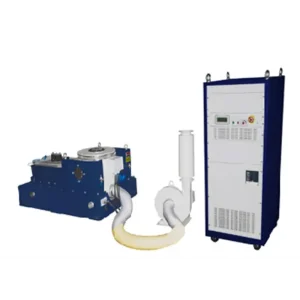
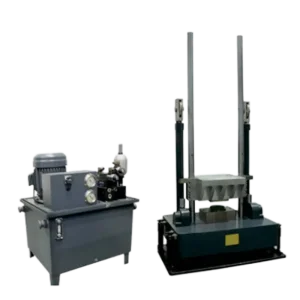
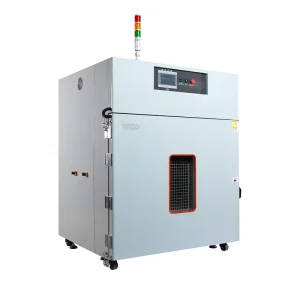
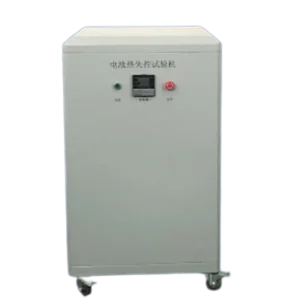
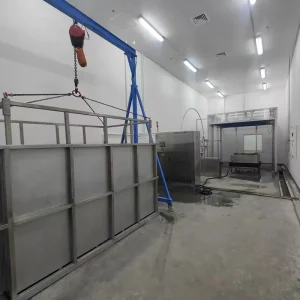
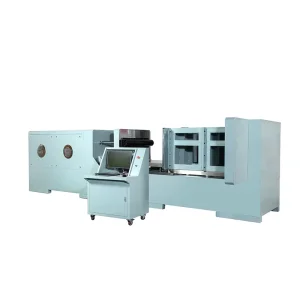
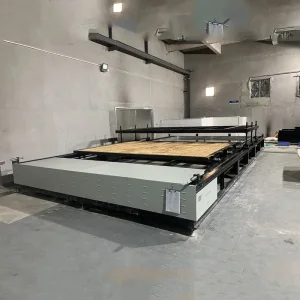
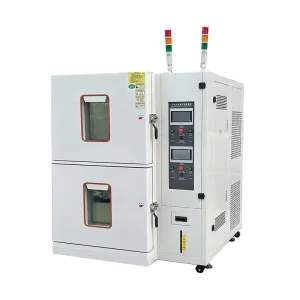
Taian Intelligent Equipment (Guangdong) Co., Ltd., situated in Qiaotou, Dongguan, was founded on March 10, 2017, with a registered capital of 12 million RMB. The company specializes in two major product segments: environmental test equipment and safety test equipment. Through relentless focus on precision and reliability, we have grown into a leading national high-tech enterprise integrating research and development, manufacturing, global sales, and engineering service support.
We are dedicated to providing cutting-edge, safety-critical testing solutions that help cell manufacturers, EV automakers, and national labs comply with standard certifications. Our hardware and software platforms are specifically configured to prevent manual measurement discrepancies, eliminate safety blindspots, and withstand hazardous test outcomes during cell degradation, short-circuits, and combustion events.
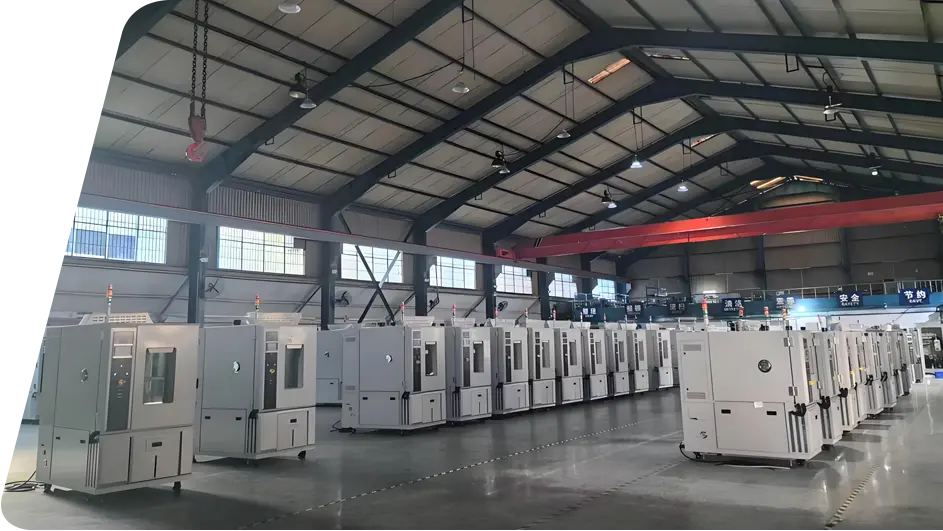
How we address error mitigation, safety, and operational efficiency through AI-powered automation

Tai'an designs environmental and safety systems that eliminate slow manual calibrations, ensuring standardized routines that minimize human error margin.

The structural transformation of our testing frameworks prevents missed thermal runaways, unrecorded failures, or partial installations via automated DAQ.

Prior to shipment, every system undergoes multi-layer testing for mechanical stress, sealing integrity, gas venting, and heavy shock tolerance.
A comprehensive study on compliance, Chinese manufacturing capability, and future technological adaptations
As electric vehicle (EV) configurations transition toward 800V+ super-fast charging topologies and battery packs exceed 100 kWh capacities, the probability of severe cascading failures increases. External Fire Test Devices assess the structural resilience of pack enclosures, thermal barrier effectiveness, and cell vents under immediate flame exposure. The primary objective is to guarantee a safety buffer that allows vehicle passengers to evacuate before structural breach or severe deflagration occurs.
Unlike general combustion tests, high-quality external fire validation simulates real-world mishaps, such as a fuel leak fire beneath the battery chassis. It demands precise temperature control and uniform flame distribution across two distinct exposure phases: Direct Exposure (where the specimen is directly subjected to open flames, typically reaching temperatures up to 800°C–1000°C) and Indirect Exposure (where a refractory screen shields the specimen to simulate radiant heat soaking). Building systems capable of safely executing these cycles while collecting real-time temperature, pressure, and video diagnostics requires sophisticated mechanical and safety engineering.
Developing specialized external fire testing equipment in industrial hubs like Dongguan, Guangdong, offers critical strategic advantages for global buyers:
External fire testing is governed by international standards that verify the safety envelope of battery packs during transportation, storage, and active service.
| Standard Reference | Primary Application | Key Test Parameters & Fire Exposures |
|---|---|---|
| ECE R100 Annex 8E | European Electric Vehicles (M1/N1 Categories) | 70s direct pool/burner exposure + 60s indirect exposure. Pack must show no explosion. |
| UN 38.3 (Section 38.3.4.7) | Global Transport Verification of Lithium Batteries | Impact, vibration, external short circuit, and combustion criteria for air/sea transit. |
| UL 2580 / UL 9540A | EV Pack Safety & Grid-Scale Energy Storage Systems | Thermal runaway escalation testing with strict limits on flame spread and gas toxicity. |
| GB 38031-2020 | National Standard of the People's Republic of China | Pack-level external fire exposure; checks ventilation, structural integrity, and warning indicators. |
To meet these standards, modern external fire testers utilize dynamic LPG or propane burners, real-time closed-loop temperature control, automated fuel shut-off valves, and high-frequency data logging to capture and document every second of thermal exposure.
Because testing a lithium-ion pack to failure involves risk of high-intensity energy release, the equipment itself must be engineered as a containment system. Top-tier suppliers focus on several core engineering solutions:
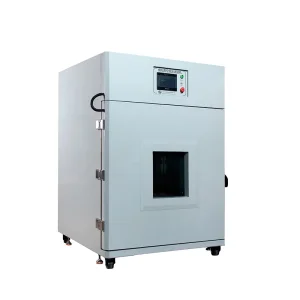
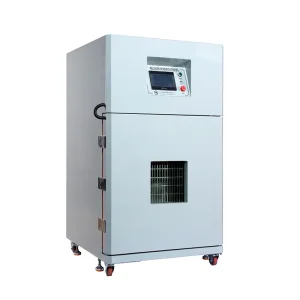
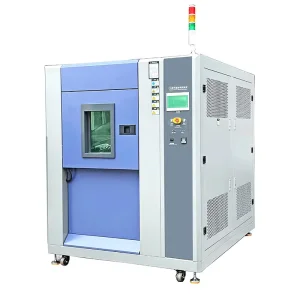
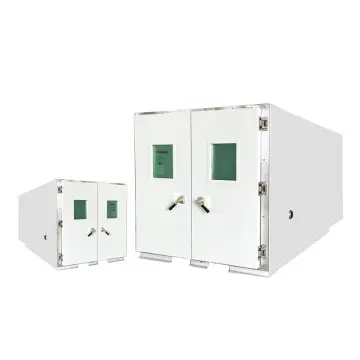
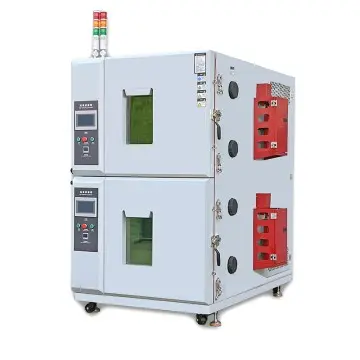
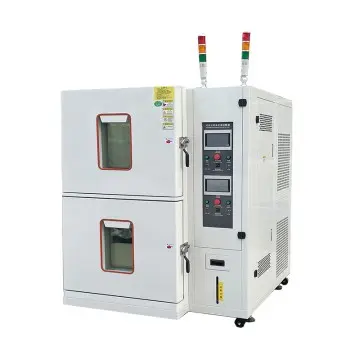
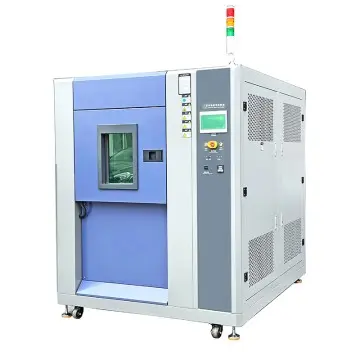
A auxiliary line of high-precision environmental chambers supporting battery and component durability testing
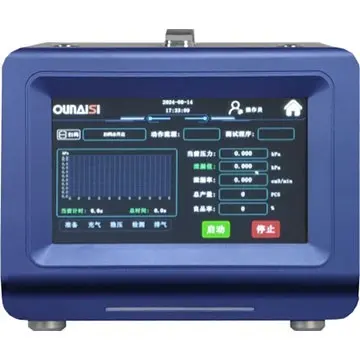
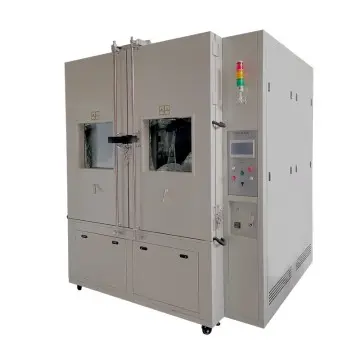
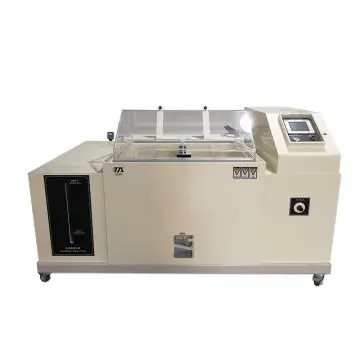
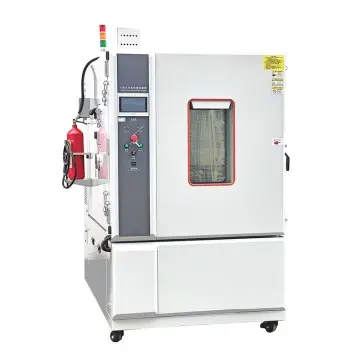
Insights into testing regulations, exhibition details, and advanced engineering techniques
 Shanghai
 Mar 2026
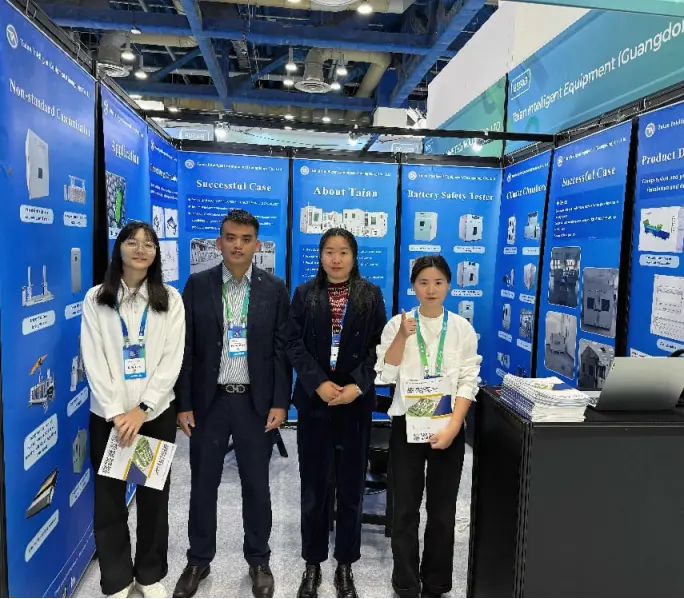
Taiantest has recently officially announced that it will make a significant appearance at the International Battery Exhibition, presenting its newest structural thermal and environmental validation machines.
 Shanghai
Mar 2026
Shanghai
Mar 2026
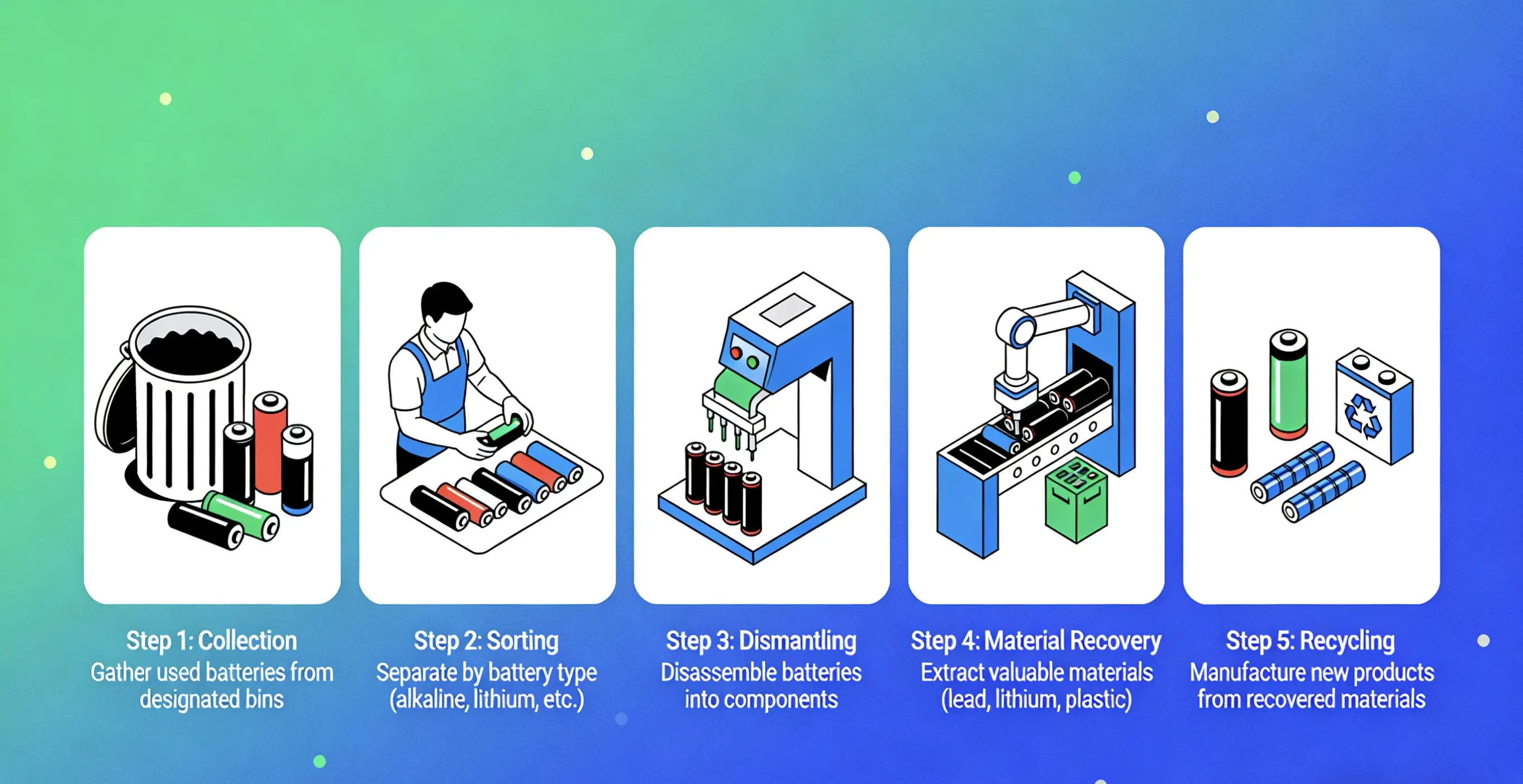
The global shift toward electrification is no longer a distant vision; it is a present reality. Understanding the lifecycle safety metrics is essential to mitigating hazard conditions during dismantling and recycling.
Key information insights for battery testing facilities and quality assurance managers
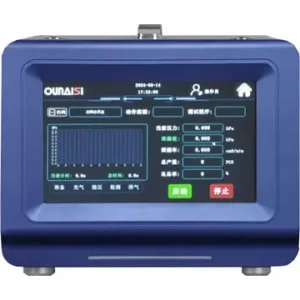
State-of-the-art diagnostic instruments for thermal runaway and structural vulnerability assessment