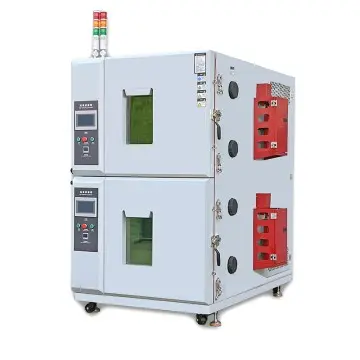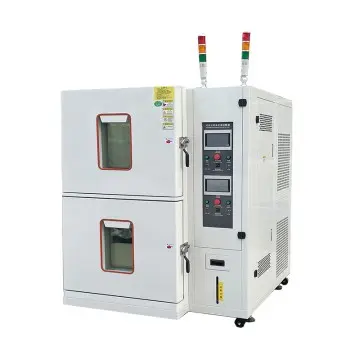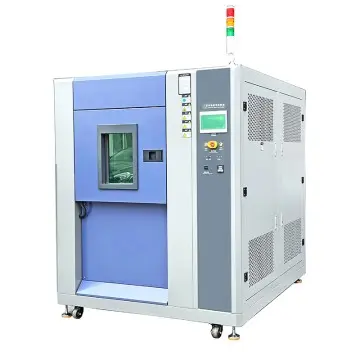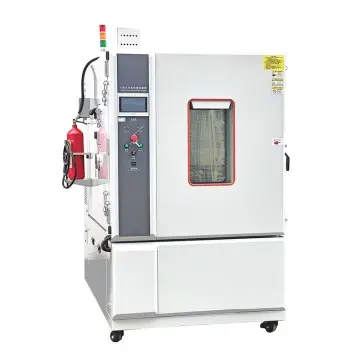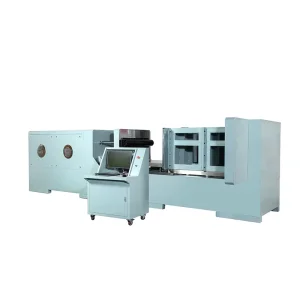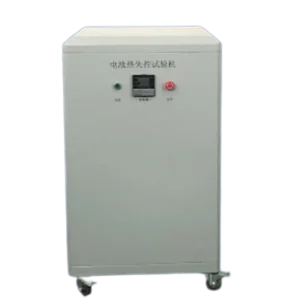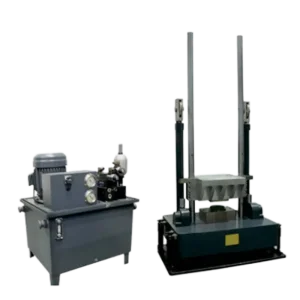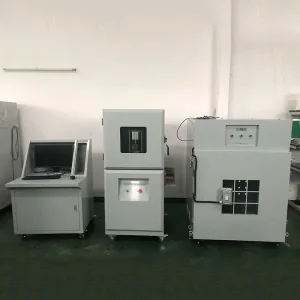
High-Quality External Fire Test Equipment Supplier & Factories

Premium Safety and Thermal Runaway Propagation Solutions for EV Batteries & Energy Storage Systems

High-Precision Safety & Environmental Testing Systems

Engineered to comply with strict international regulatory frameworks, our advanced testing platforms deliver high reliability and safety metrics for critical components.
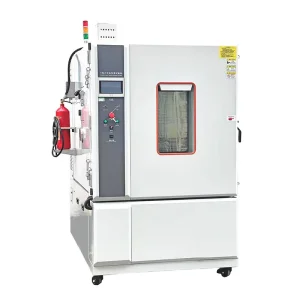
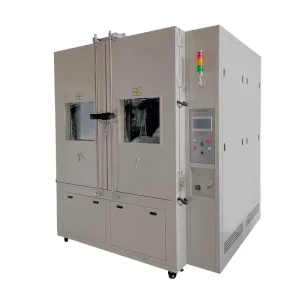
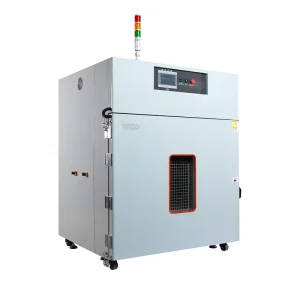
Rapid temp change test chamber

Rapid Temperature Change Environmental Test Chamber

Learn More
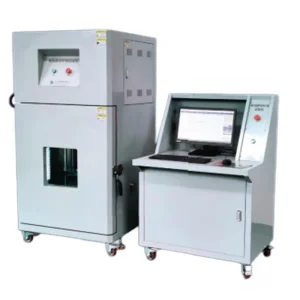
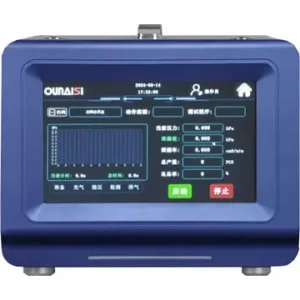
Single-channel precision air leak tester

LK-DP Series Single-Channel Precision Air Leak Tester

Learn More
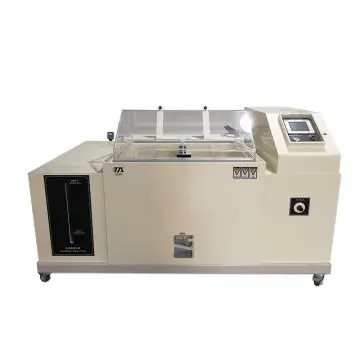
Sand and dust environmental test chamber

Advanced Sand and Dust Environmental Test Chamber

Learn More
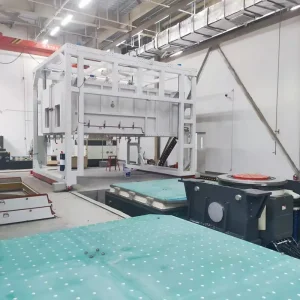
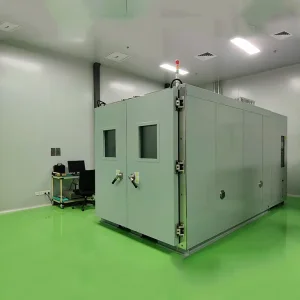
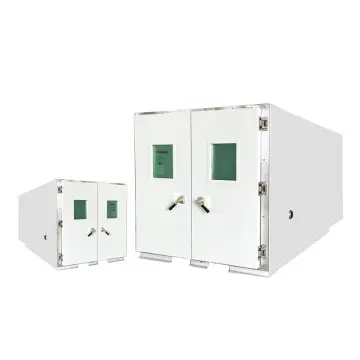
Comprehensive Test Chamber

High-Precision Temperature Humidity Vibration Comprehensive Chamber

Learn More
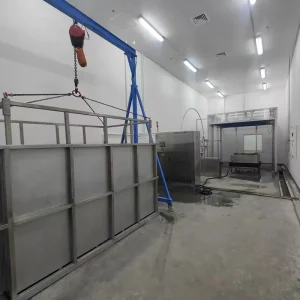
Rain water spray test device

PLC Controlled Electronics Rain Spray Water Test Device

Learn More
Battery squeezing needle testing machine

High-Performance Battery Squeezing and Needle Penetration Testing Machine

Learn More
Battery short circuit test chamber

Temperature Controlled Battery Short Circuit Test Chamber

Learn More
Temperature shock test chamber

Thermal Shock & Wet Heat Cyclic Environmental Test Chamber

Learn More

1. The Critical Imperative of External Fire Testing in the Battery Industry

As global industries transition rapidly toward high-energy-density lithium-ion chemistries for Electric Vehicles (EVs) and Energy Storage Systems (ESS), regulatory compliance frameworks have become vastly more stringent. External Fire Testing, commonly referred to as bonfire or external flame exposure testing, plays an indispensable role in safeguarding consumer safety. This test simulates the extreme environmental condition of an vehicle fuel leak or adjacent structure fire to evaluate the structural integrity and thermal runaway resilience of traction battery packs and energy storage modules.

Under strict protocols such as ECE R100.03, UL 2580, UL 9540A, and GB 38031, a test chamber must subject the Device Under Test (DUT) to direct flame exposure for a specific duration (typically 70 seconds) followed by indirect exposure (typically 60 seconds) using a controlled burner system. The primary design intent is to prove that the pack's thermal management barriers, structural housings, and pressure relief venting systems function seamlessly, preventing immediate catastrophic explosions or uncontrollable propagation of thermal runaway.

Information Gain: Modern lithium-ion configurations exhibit rapid combustion kinetics when exposed to external flame sources. Premium external fire test equipment must regulate thermal delivery within tight margins, ensuring flame uniformity across the surface of the pack, regardless of its footprint, to avoid uneven heat loading that ruins testing accuracy.

2. Advanced Technical Dimensions of External Fire Test Equipment

To consistently meet international aerospace and automotive verification requirements, state-of-the-art fire testing rigs employ a combination of complex engineering structures. These range from high-output propane or liquefied petroleum gas (LPG) burners to dynamic safety shield enclosures and negative pressure exhaust systems. Let's break down the major sub-system architectures:

Dual-Stage Burner Mechanics

Precise switching between direct and indirect flame contact modes. Features a motorized refractor plate system to deflect direct flame envelopes during the indirect stage while maintaining temperature levels above 800°C.

Thermal Instrumentation Grid

Integrated array of Type-K mineral-insulated thermocouples. Calibrated dynamic feedback loops adjust the gas flow rate automatically to sustain uniform temperature coverage across the battery pack surface.

Industrial SCADA & Control

Siemens PLC-based human-machine interface (HMI) displaying process variables, heat curves, and burner positioning. Real-time data streaming prevents operator exposure to hazardous chemical off-gassing.

3. The Strategic Advantages of China's Test Equipment Factories

China has emerged as the global epicenter for high-precision EV battery manufacturing and safety verification systems. Based in the industrial technology cluster of Dongguan, Guangdong, manufacturers like Taian Intelligent Equipment (Guangdong) Co., Ltd. leverage a deeply integrated supply chain. This physical proximity to major lithium cell developers, raw material suppliers, and specialized engineering hubs guarantees rapid customization agility.

Chinese factories offer unparalleled lead times and cost-performance dynamics by manufacturing heavy-duty chambers in-house. While European and North American suppliers are often bottlenecked by outsourced raw fabrication, Chinese facilities perform laser cutting, refractory lining, gas-manifold assembly, and control software integration under one roof. Furthermore, strict adherence to national high-tech manufacturing standards ensures that safety equipment features dual explosion-proof pressure relief valves, automated fire shutters, and scrubbers designed to process harmful hydrofluoric (HF) acid and carbon monoxide (CO) gas emissions.

15+
Years of Trusted Heritage
10,000
R&D & Production Facility
12MRMB
Registered Capital
35+
Global Export Markets

4. Macro Safety Solutions: The Multi-Axis Testing Framework

Modern automotive testing guidelines stipulate that battery safety verification cannot be treated in isolation. True structural validation requires a multi-axis regulatory workflow where environmental degradation meets physical shock. For instance, simulating a vehicle collision followed by an thermal event involves pairing external fire test units with physical impact and mechanical crush systems.

By utilizing a unified control software framework across all environmental chambers, laboratory technicians can configure combined stress profiles. A typical test flow might subject a battery to a high-rate thermal cycle (simulating environmental extremes), then a heavy mechanical impact or horizontal squeeze (simulating structural collision damage), and finally verify its safety limits inside a customized external fire testing room equipped with robust CCTV surveillance and multi-sensor gas detection units.
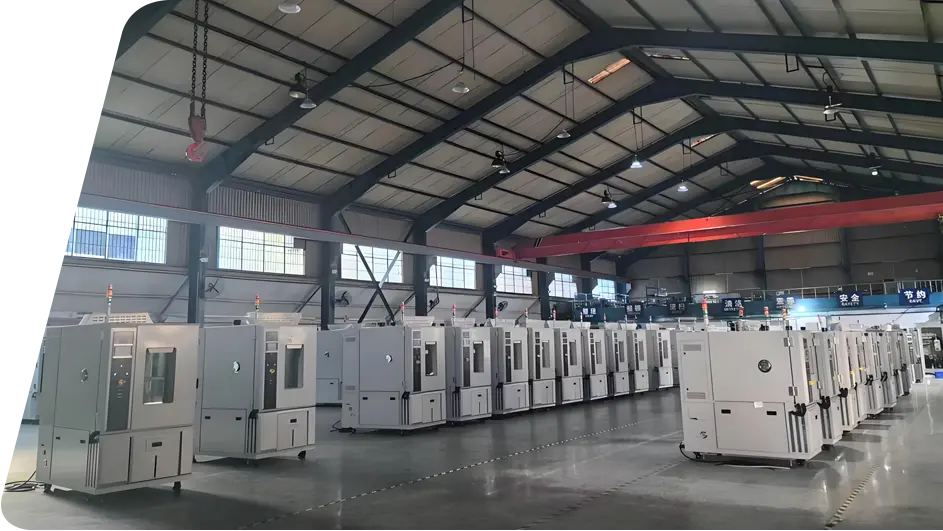
Taian Environmental and Safety Testing Machinery

Consistent Quality Just to Make Precision Testing Instruments

Our parent company, Taian Intelligent Equipment (Guangdong) Co., Ltd., situated in Qiaotou, Dongguan, was founded on March 10, 2017. As a leading national high-tech enterprise, we integrate research and development, production, sales, and service. We address traditional manual testing limits—such as low efficiency, high error rates, and safety hazards—by introducing digital, automated systems.

We specialize in two core categories: Environmental Test Equipment (including temperature humidity chambers, dust testers, rain spray test systems) and Battery Safety Test Equipment (including squeeze, penetration, short-circuit, and external fire testers).

5. Global Procurement Guide: Key Considerations for OEM & Tier-1 Sourcing

Procuring heavy-duty testing hardware from international factories demands scrutiny across multiple operational levels. R&D managers and procurement agents must prioritize system scalability, structural explosion-proofing, and local environmental compliance:

  • Exhaust Management & Scrubbers: Fire tests emit high volumes of toxic fluorine-containing gases. Procurement teams must verify that the equipment comes with integrated wet scrubbers and activated carbon filtration modules to comply with local industrial discharge regulations.
  • Mechanical Integration & Auto-Feed: For safety reasons, the operator must be positioned far from the test zone. An automated rail-guided feed system that moves the battery pack onto the burner and retracts it post-test is highly recommended.
  • Standard Adaptability: Burners should features customizable nozzle plates and adjustable gas manifolds to match the geometric profiles required by different regional testing authorities (SAE, IEC, GB, UL).

6. Future Industry Development Trends in Thermal Safety Testing

As battery chemistry moves toward solid-state designs and sodium-ion formulations, fire testing methods must adapt. The focus is shifting from simple fire survival to precise gas composition tracking and calorific value calculations. Future-proof laboratories require test equipment that can integrate directly with mass spectrometers and gas chromatography systems.

Additionally, artificial intelligence is playing an increasingly important role in safety monitoring. Advanced computerized systems now utilize machine learning algorithms to identify thermal signatures and predict structural compromises seconds before visual rupture occurs, allowing fire suppression systems to execute preventive protocols.

Climatic Chambers & Safety Testing Portfolio

Browse our diverse, internationally certified product portfolio, engineered for consistent quality, reliability, and precision.
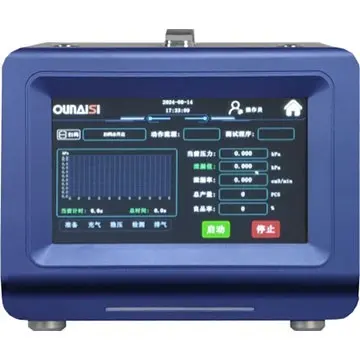
Single-Channel Leak Tester

LK-DP Series Single-Channel Leak Tester

Learn More
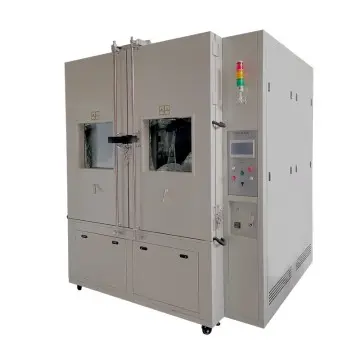
Sand and dust test chamber

Sand and Dust Test Chamber (PLC Control)

Learn More
Salt Spray Tester

Salt Spray Tester 35℃ Neutral Corrosion Chamber

Learn More
Walk-in constant temp-humidity chamber

Walk-in Constant Temperature & Humidity Test Chamber

Learn More
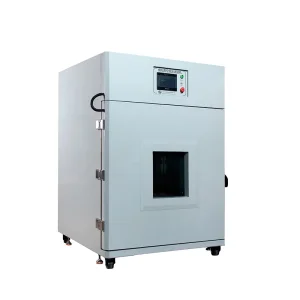
High-temperature aging chamber

Industrial High-Temperature Aging Chamber

Learn More
Double layer high and low temp test chamber

Double Layer High and Low Temp Test Chamber

Learn More
Thermal shock chamber PLC control

Thermal Shock Chamber PLC Control for Batteries

Learn More
Rapid temp change test chamber

Rapid Temperature Change Test Chamber

Learn More
Increase efficiency

Efficiency Acceleration

Tai'an's focus on automated detection mechanisms effectively solves manual delays and reduces error rates in mission-critical applications.

artificial intelligence

AI & Digital Control

Incorporating digital signal architectures removes the challenge of missed detections, offering real-time cloud data storage and safety monitoring.

Safe and stable

Safety-Locked Operation

Pre-delivery calibration processes ensure all safety interlocks and thermal sensor nodes satisfy rigorous field safety protocols.

Frequently Asked Questions / Engineering Q&A

Find technical answers directly from our senior safety engineering and compliance support divisions.

What are the key differences between ECE R100 and UL 2580 external fire tests?
ECE R100 focuses primarily on the battery pack’s behavior under external vehicle fire conditions, using specific direct and indirect burn timelines (70s direct, 60s indirect). UL 2580 evaluates the complete safety margins of electric vehicle batteries under severe stress conditions, often incorporating pre-conditioning tests and subsequent post-burn monitoring for at least 3 to 24 hours to ensure no rekindling occurs.
How does the system ensure uniform flame temperature across the DUT surface?
We utilize a multi-nozzle matrix gas manifold controlled by digital proportional control valves. Real-time feedback from our multi-channel K-type thermocouple grid monitors temperature variance across the test plane, instantly adjusting propane or gas pressure to maintain flame uniformity above 800°C.
Why is Dongguan considered the leading manufacturing cluster for safety equipment?
Dongguan has integrated a complete industrial chain covering structural CNC fabrication, thermal insulation development, and advanced automation sensor design. This allows rapid prototyping and customized engineering modifications to be completed significantly faster than in western supply chains, reducing export costs while maintaining certified high quality.
What safety protocols are integrated into the automated test chambers?
Every test chamber features dual explosion-resistant relief vents, remote oxygen-purging nitrogen loops, automatic fire shutters to seal off burner zones, heavy high-temp observation glass, and continuous thermal monitoring coupled to emergency carbon dioxide / water mist extinguishing systems.
How is toxic exhaust managed during battery burning processes?
Chambers are coupled to negative pressure ventilation structures that pull exhaust through a multi-stage industrial scrubbing system. This system neutralizes hydrofluoric acid (HF) using alkaline wet scrubbers and captures volatile organic compounds (VOCs) with high-density activated carbon beds before clean air is released.
Can the burner configuration accommodate liquid fuel simulation?
Yes, our structures can be configured with automated liquid fuel (gasoline/diesel) pan systems or gaseous burner setups depending on your target standard. The fuel feed rate is monitored via precision mass flow sensors.
What custom integration options are available for ESS containers?
For utility-scale Energy Storage Systems (ESS), we provide custom extra-large test cells with heavy-duty loading rails and automated crane hooks to handle modular racks weighing up to several metric tons safely.
How does PLC software assist in report validation?
The integrated software logs temperature data points, pressure ratings, burner movements, and visual feeds in a protected database. With one click, engineers can output certified CSV and PDF reports containing complete thermal graphs required for homologation submission.

Recent News & Industry Developments

Stay informed with the latest updates regarding battery safety, international regulatory changes, and industrial testing solutions.
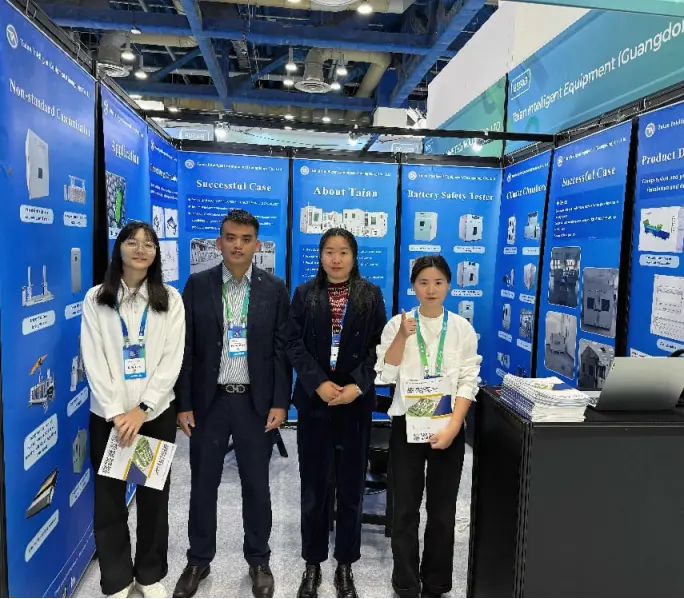
Korea Battery Show 2026
loc Seoul / Shanghai date March 2026

Empowering Green Energy: Tai'an Test Will Showcase High-Precision Battery Environmental Testing Solutions at the 2026 Korea Battery Show

Taiantest has recently officially announced that it will make a significant appearance at the upcoming green expo, showcasing thermal runaway mitigation and safety validation systems.
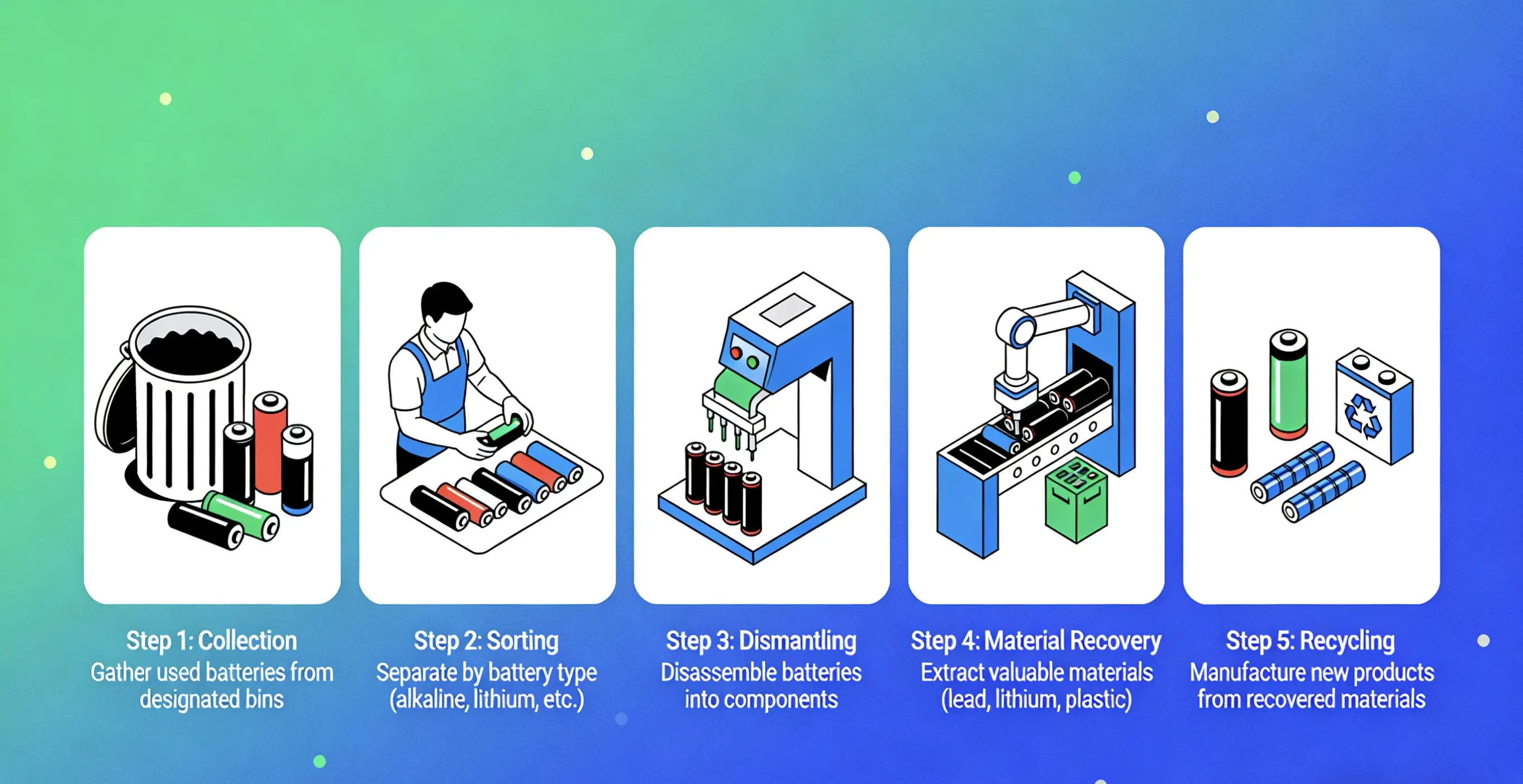
Battery Recycling Process
loc Shanghai date March 2026

Advancing the Circular Economy: A Comprehensive Deep Dive into the Battery Recycling Process

The global shift toward electrification is no longer a distant vision; it is a present reality requiring strict environmental and safety regulations for end-of-life battery cells.

Advanced Battery Safety & Structural Verification Systems

Ensuring complete safety compliance for cells, modules, and vehicle-level battery systems under extreme physical and mechanical stress conditions.
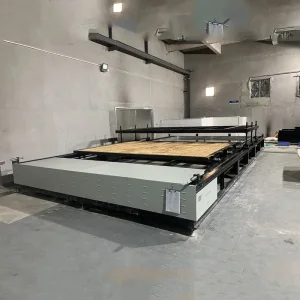
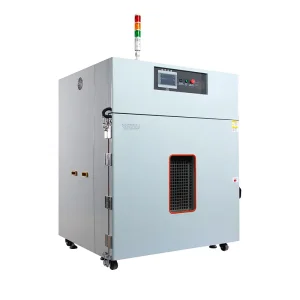
External Fire Testing Safety Protection Machine

China External Fire Testing Machine - Customizable Test Room Safety Protection

Learn More
Battery Thermal Runaway Test Chamber

Battery Thermal Runaway Test Chamber - CE Certified for Lithium-ion Cells

Learn More
Horizontal Battery Pack Extrusion Needle Testing Machine

Horizontal Battery Pack Extrusion Needle Testing Machine

Learn More
Thermal Runaway Testing Machine

Thermal Runaway Testing Machine - Video Surveillance Temp Acquisition

Learn More
Mechanical Impact Testing System

High-Quality Mechanical Impact Testing System - Digital Impact Height

Learn More
High Current Short-circuit Testing Machine

China High Current Short-circuit Performance Testing Machine

Learn More
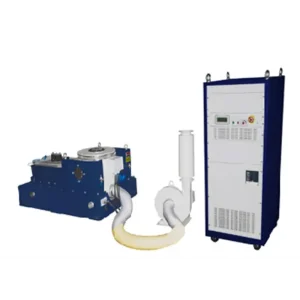
Electric Vibration Test Bench

China Electric Vibration Test Bench - High Eccentric Load Resistance

Learn More
Simulated high-altitude low-pressure test chamber

High-Quality Simulated High-Altitude Low-Pressure Test Chamber

Learn More