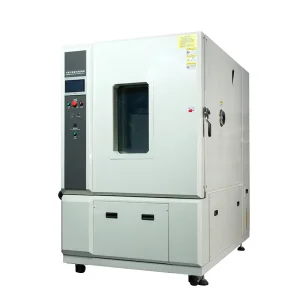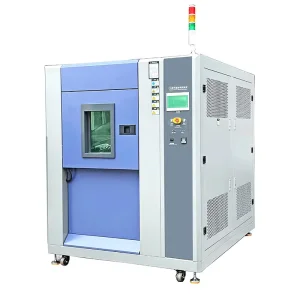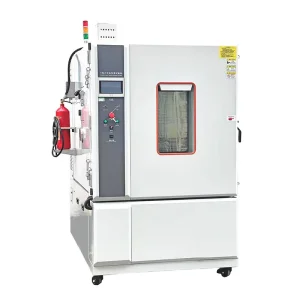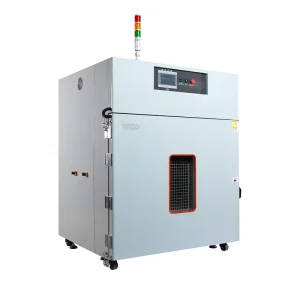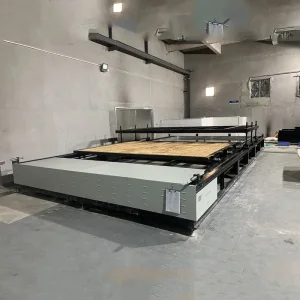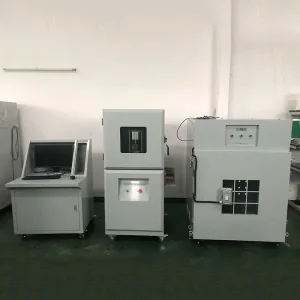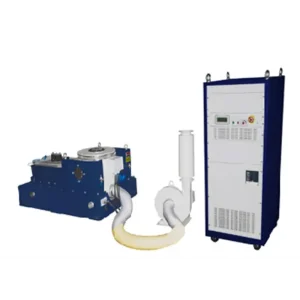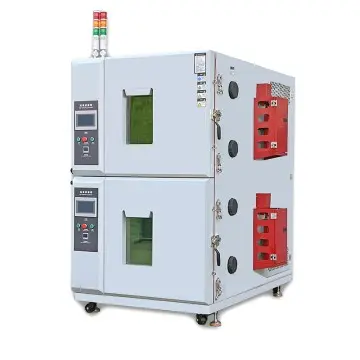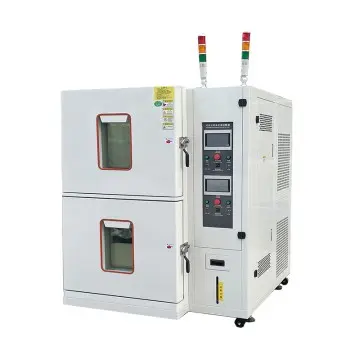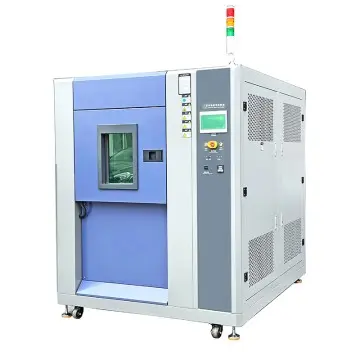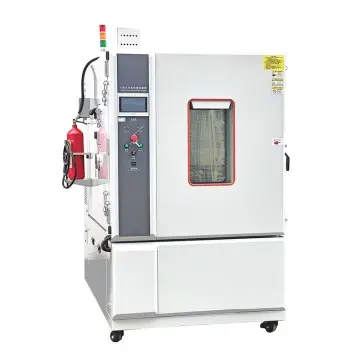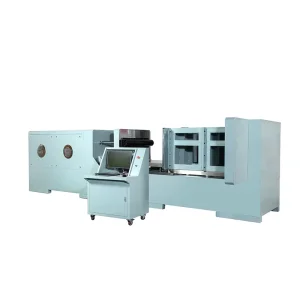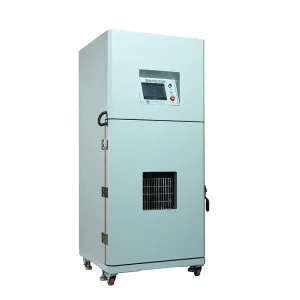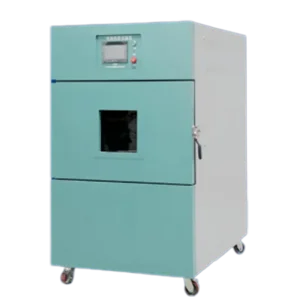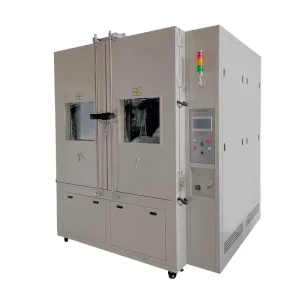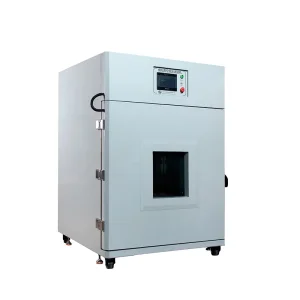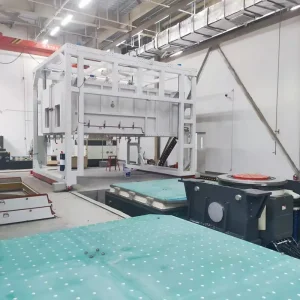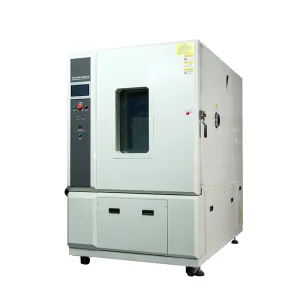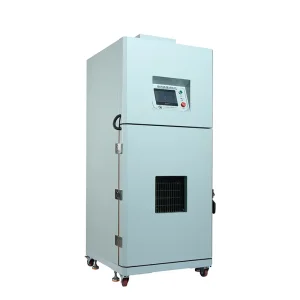
Strict performance verification tools engineered to evaluate next-generation thermal containment strategies.
Taian Intelligent Equipment (Guangdong) Co., Ltd., situated in Qiaotou, Dongguan, was founded on March 10, 2017, with a registered capital of 12 million RMB. The company specializes in two major types of products: environmental test equipment and safety test equipment. After years of development and accumulation, we’ve become a leading national high-tech enterprise integrating research and development, production, sales, and service.
We are committed to upgrading safety standards in the global energy transition. Our high-precision testing chambers allow top energy firms to secure certifications including UL 9540A, IEC 62619, and UN38.3. By offering robust testing automation systems, we minimize human risk and eliminate inconsistencies common in traditional manual fire testing procedures.
Find Out More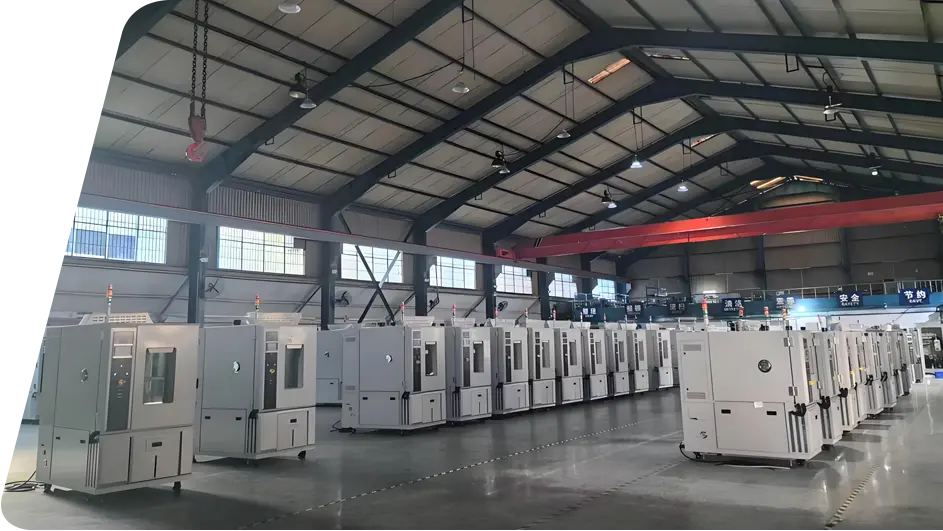
As grid-scale lithium-ion battery deployments accelerate globally, fire prevention and containment systems face unprecedented regulatory scrutiny. The risk of thermal runaway triggered by external fire events is a critical concern for utility companies, site developers, and local municipal emergency services.
Modern regulatory standards, particularly UL 9540A and NFPA 855, demand testing equipment that evaluates how well an entire ESS container limits flame spread when subjected to external thermal radiation or direct flame impingement. Manufacturers must demonstrate that a single module failure will not cross-propagate to adjacent battery racks.
Standard testing equipment must precisely reproduce extreme heat release rates (HRR) and localized radiant heat exposure. Our advanced systems apply radiant heat panels and burner assemblies that mimic combustible adjacent brush fires or electrical cabinets, documenting pack response with high-fidelity thermal cameras.
Modern battery fire test rooms integrate real-time mass spectrometry and optical gas detection systems to monitor combustible off-gas compositions (carbon monoxide, hydrogen, and toxic hydrogen fluoride). This data is critical for design engineers seeking to optimize explosion venting and active fire suppression systems.
A comprehensive battery fire safety evaluation protocol requires more than a simple burn chamber. Our macro-level engineering solutions provide full physical isolation, active toxic byproduct mitigation, and dynamic safety shutoff features.
During high-temperature external fire testing, chemical off-gassing from lithium cells creates high volumes of corrosive hydrofluoric acid (HF) and flammable particulates. Our macro systems integrate wet acid scrubbers, high-temperature baghouse filters, and active thermal oxidizers to ensure exhaust meets environmental regulations before being released into the atmosphere.
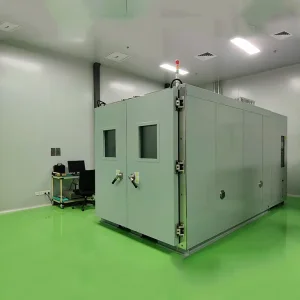
Our custom fire chambers feature roof-mounted blast relief panels that redirect overpressure waves away from personnel corridors. Heavy-duty double-layered stainless steel panels and high-strength door latches prevent structural failure in the event of local cell deflagration.
System integrators and compliance officers from North America, Europe, and Asia look for specific engineering certifications when purchasing fire testing machinery. Our designs are optimized to assist procurement teams in meeting regional laboratory accreditations.
Our systems meet and exceed test standards including SAE J2464, IEC 62619, UL 2580, GB/T 36276, and UN 38.3. Test cycle scripts can be customized to adjust flame temperature, exposure duration, and gas sampling frequencies.
Every unit we export is configured with remote connection modules, enabling Taian service engineers to calibrate instruments, perform updates, and troubleshoot sensors from our headquarters in Guangdong, China.
Our company leverages strong regional industrial supply chains in Guangdong to combine cost-effective manufacturing with high-precision engineering. The result is a testing framework that delivers high dependability under heavy test cycles.
Taian focuses on the research and development of detection and environmental equipment, successfully solving the problems of low efficiency and manual detection error margin.
As solid-state battery technology and sodium-ion chemistry enter commercial production, fire testing protocols are changing. Our engineering R&D team is actively designing systems to address these updates:
Integrating machine learning models with chamber cameras to identify localized hot spots seconds before visible thermal runaway occurs, allowing safe nitrogen gas purging.
Developing dedicated gas monitoring arrays configured to detect sodium-ion specific byproducts, ensuring laboratories maintain safe gas concentrations.
Utilizing high-temperature structural ceramics in panel construction to withstand peak flame temperatures exceeding 1200°C for extended periods.
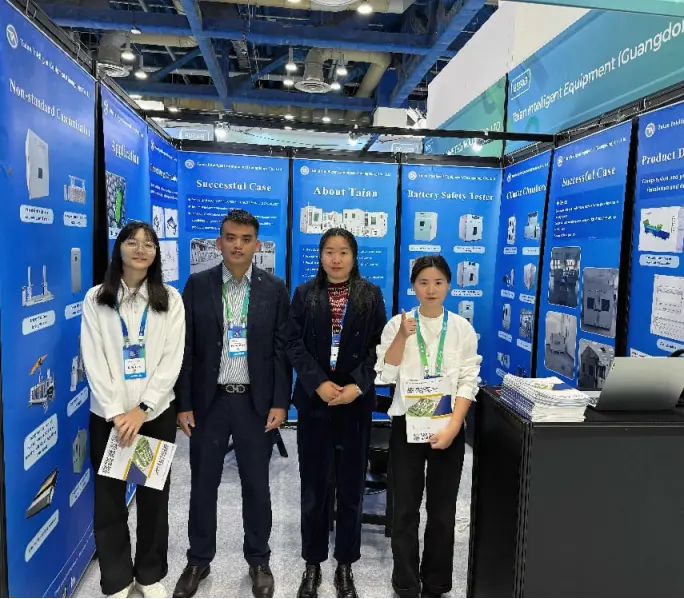
Taiantest has announced it will present its latest range of high-precision testing chambers at the upcoming international expo in Korea, focusing on solid-state thermal stability.
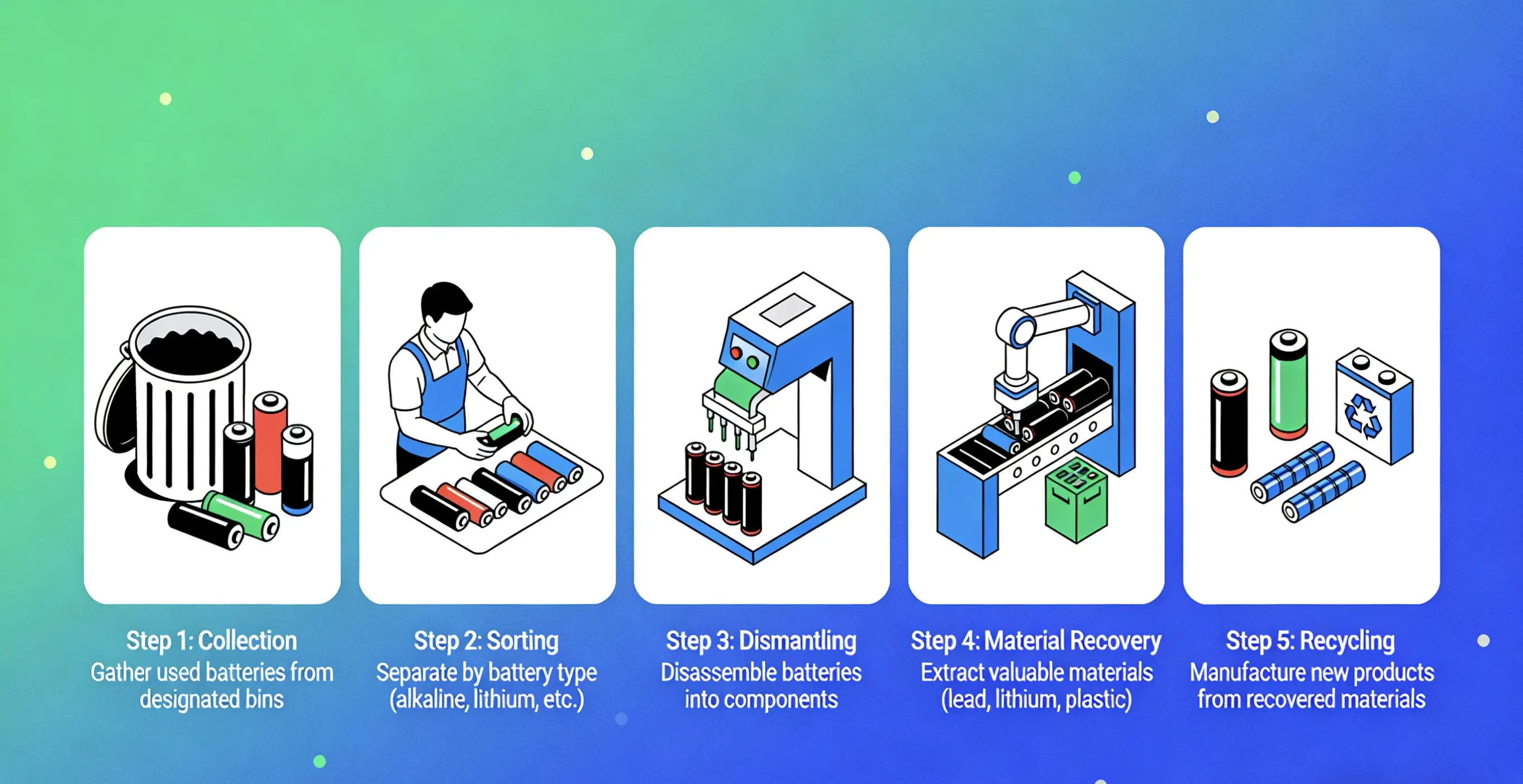
Evaluating chemical changes in recycled lithium compounds and testing the safety profile of second-life batteries in commercial energy storage applications.
Heavy-duty machines engineered to evaluate pack integrity, structural crush limits, and drop safety boundaries.