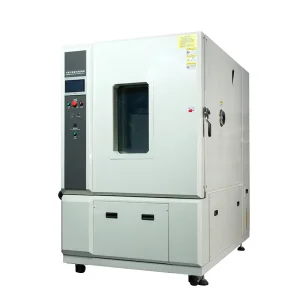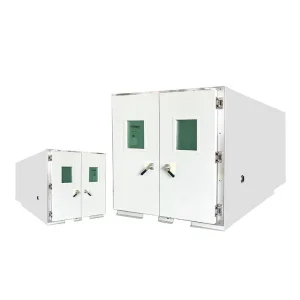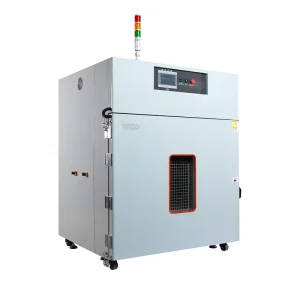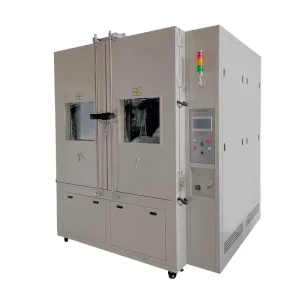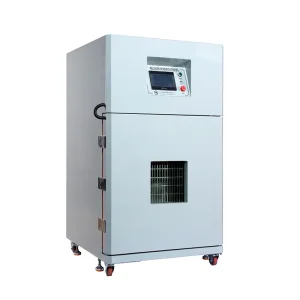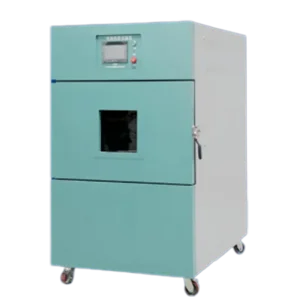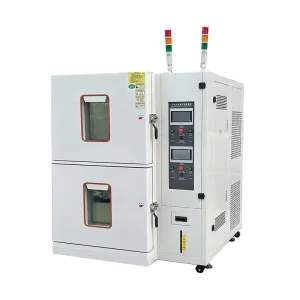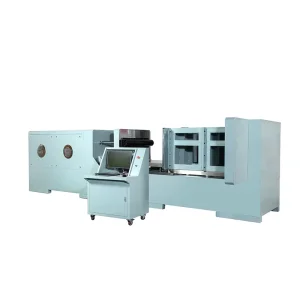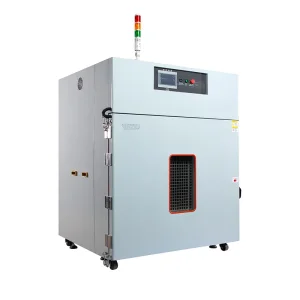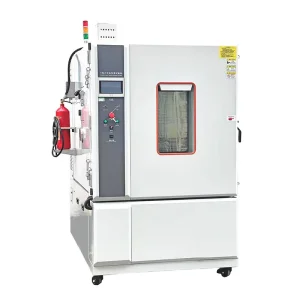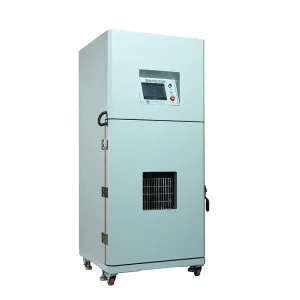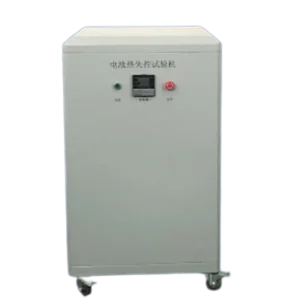
Precision Engineering for Battery Safety Validation, UL 9540A & ECE R100 Standards, and Custom Thermal Protection Diagnostics.
Explore our premium grade environmental and safety testing systems engineered for global regulatory compliance.
Taian Intelligent Equipment (Guangdong) Co., Ltd., situated in Qiaotou, Dongguan, was founded on March 10, 2017, with a registered capital of 12 million RMB. We specialize in research and development, production, sales, and service for high-precision environmental test equipment and safety validation instruments.
Through years of relentless development, we have established our rank as a leading national high-tech enterprise. Our customized solutions address the safety vulnerabilities of lithium-ion systems, electric powertrains, and energy storage enclosures under extreme environmental stressors.
Find Out More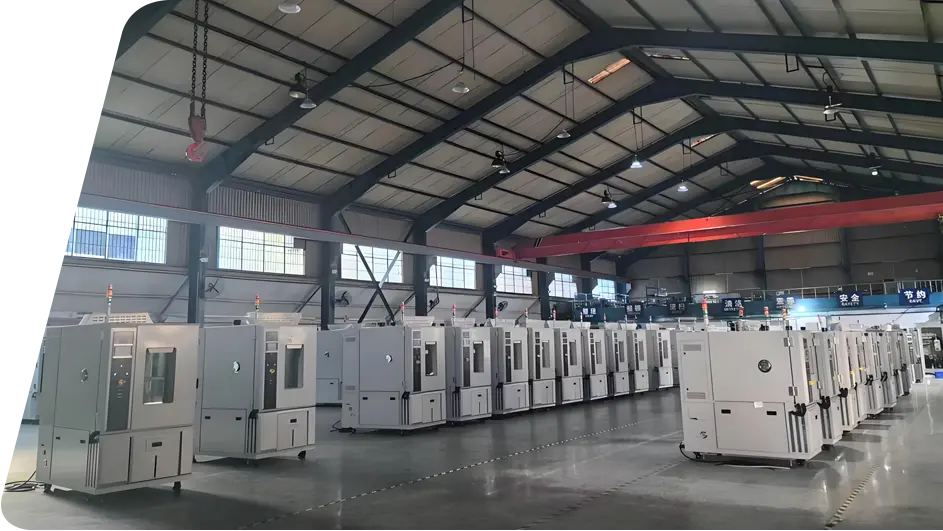
A deep industry analysis of thermal hazard mitigation, regulatory criteria, and mechanical design considerations.
Replicating real-world post-crash scenarios, liquid fuel spills, and localized structural fires up to 1000°C with automated control.
Transitioning from error-prone manual setups to PLC-controlled workflows with high-frequency thermal sensor arrays.
Integrated scrubber technologies filter toxic hydrogen fluoride (HF) and volatile organic compounds (VOCs) safely.
As battery chemistries transition toward higher energy densities, regulatory bodies have intensified requirements for thermal containment testing. High-temperature external fire test devices evaluate a pack's capacity to delay thermal runaway propagation, allowing passengers time to exit.
Standard-specific configurations define the operational parameters of these testing apparatuses:
A breakdown of the core modules required to generate uniform flame exposure and capture real-time thermodynamic metrics.
Generating a consistent, repeatable flame requires precise volumetric control over liquid or gaseous fuel sources. Modern systems employ commercial LPG (Liquefied Petroleum Gas) or propane burner matrices. A closed-loop Mass Flow Controller (MFC) feedback system maintains the flame temperature profile between 800°C and 1100°C, complying with standard heat flux distribution metrics.
Safety testing necessitates moving either the flame source or the battery unit dynamically during the transition between the direct and indirect heating phases. Our test setups use a PLC-driven heavy-duty mechanical trolley system that shifts the combustion pan or positioning platform within a defined 2.5-second window. The refractory screen consists of high-grade calcium silicate blocks reinforced with structural alloys to absorb thermal loads.
Thermal runaway testing is destructive and visually chaotic. A multi-channel thermocouple grid (Type K/N) records real-time cell-skin and exhaust duct temperatures. Video surveillance systems with custom optical shielding capture structural expansion, venting behaviors, and gas ejection.
Fires involving lithium-ion chemistry produce hydrogen fluoride (HF), carbon monoxide (CO), and volatile organic vapors. The testing chamber must be coupled with an automated wet gas scrubber system. The structural design features explosion relief panels that automatically release pressure when the internal chamber atmosphere exceeds critical safety thresholds.
Bridging the gap between factory-floor engineering and regional test lab requirements across Europe, North America, and Asia.
Our machinery meets international standards including CE and OSHA regulations, ensuring safe deployment in global laboratories.
We work with regional calibration bodies to ensure thermometric, volumetric, and force-measurement devices comply with local metrology requirements.
From initial structural layout design to mechanical exhaust piping installation and final commissioning of the fire test equipment.
Industrial scale battery integrators and automotive OEMs demand high customization. These requirements include variable burner pan geometries, remote operations to safeguard laboratory personnel, and integration with dynamic battery management system (BMS) signal logging.
Taian Equipment offers modular design options. These allow labs to switch between liquid pool burners and gaseous ribbon burner arrays, providing a flexible framework for testing consumer battery cells, electric vehicle battery packs, and commercial energy storage structures.
Anticipating the technological shift in battery safety validation over the next decade.
The progression of battery technology introduces new thermal safety validation challenges. The rise of solid-state and sodium-ion systems changes how energy releases under external thermal stress. The high-temperature external fire testing landscape is evolving to adapt:
Evaluating non-liquid electrolyte degradation under direct fire. This requires localized micro-thermal imaging to detect thermal propagation paths.
Linking physical test data with structural finite element analysis (FEA) models to build digital twins for fire behavior simulation.
Upgrading scrubbing systems to capture fine particulates and neutralize concentrated toxic gases generated during tests.
Expert answers to critical operational, design, and regulatory compliance queries.
Keep track of the latest developments from Taian Intelligent Equipment, trade showcases, and research updates.
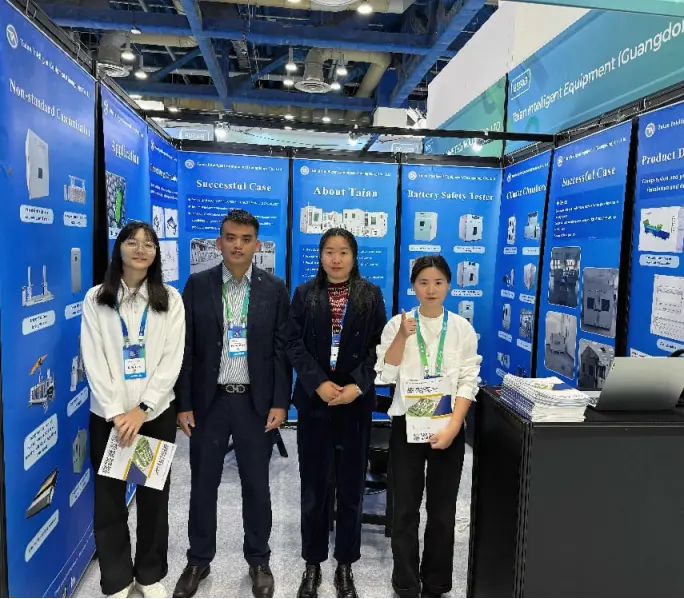
Taiantest has officially announced its participation at the International Korea Battery Show. We will exhibit high-precision climatic testing systems, next-gen thermal abuse chambers, and our custom fire testing solutions.
Read More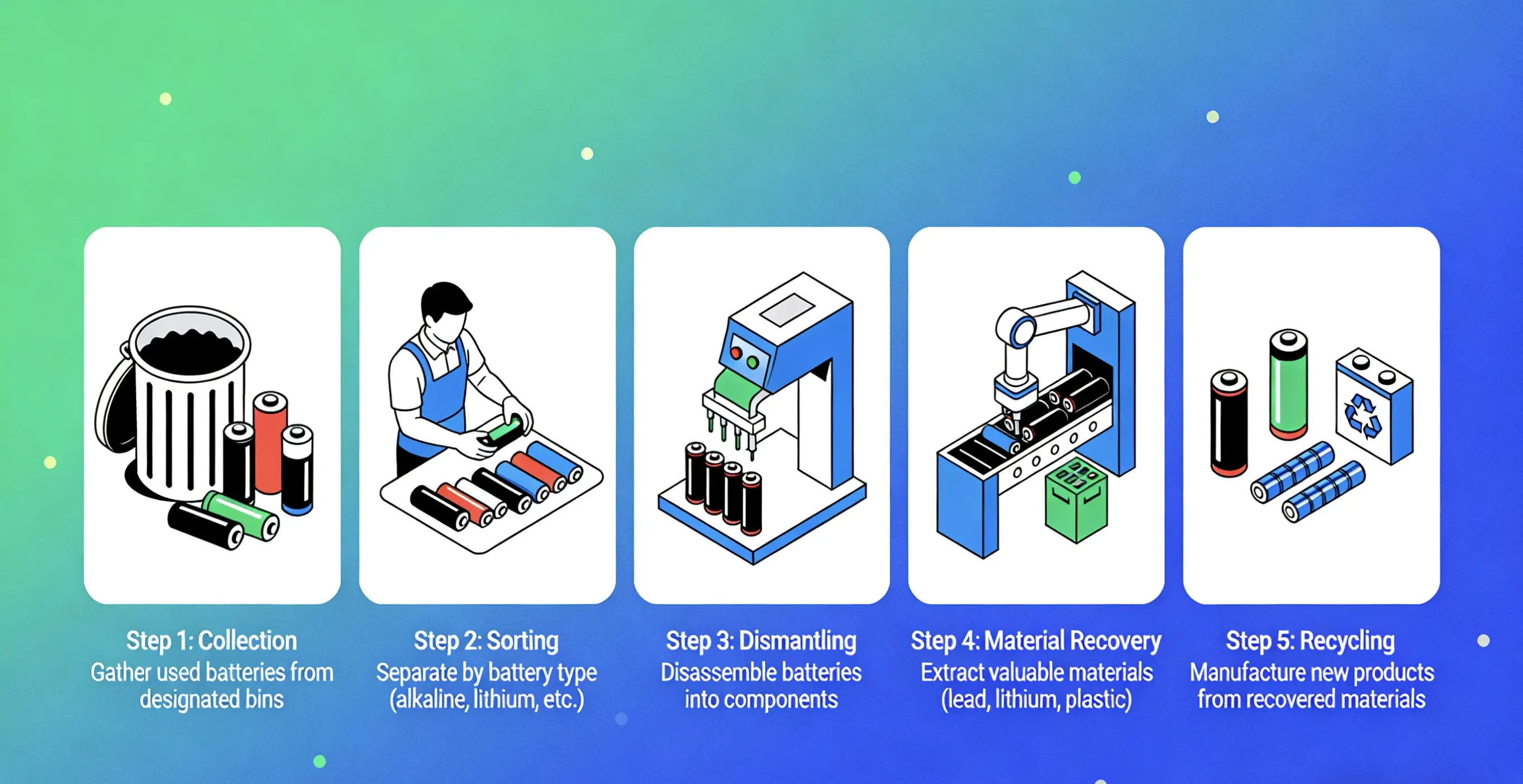
The global shift toward electrification highlights the importance of battery recycling. Understanding material extraction and checking safety metrics for second-life battery packs are key to reducing environmental impacts.
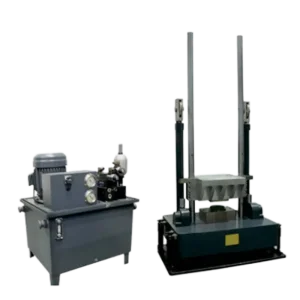
Read MoreExplore our heavy impact, mechanical shock, and vibration test equipment designed for validation testing.