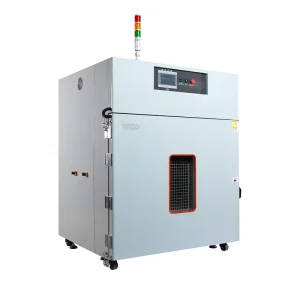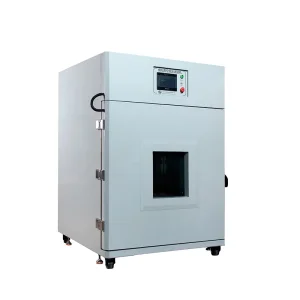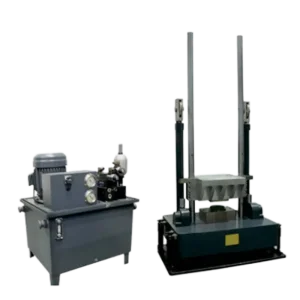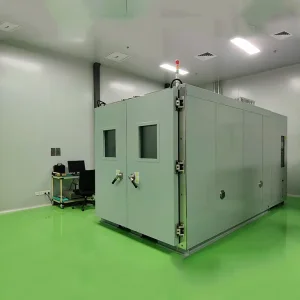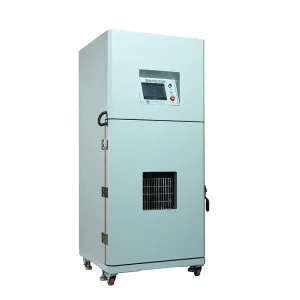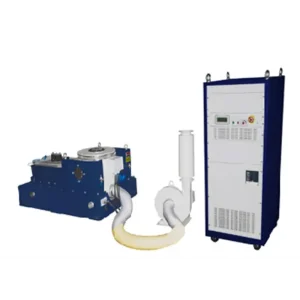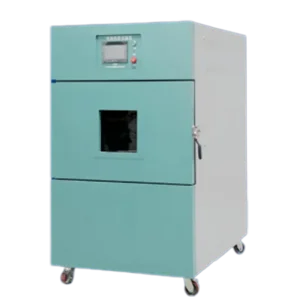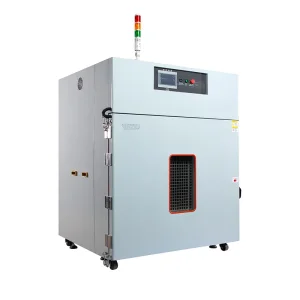
Explore our core engineering lineup designed for strict quality protocols and international compliance standards.
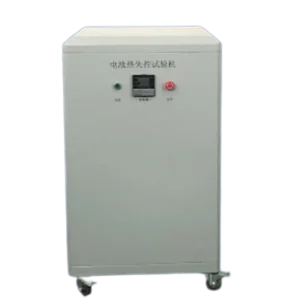
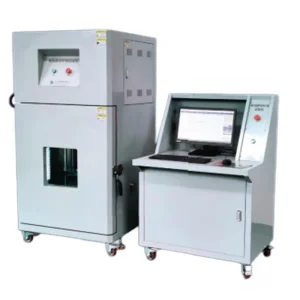
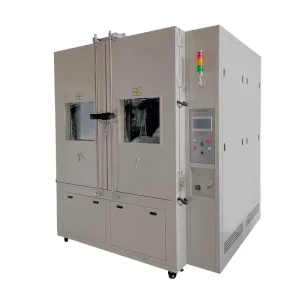
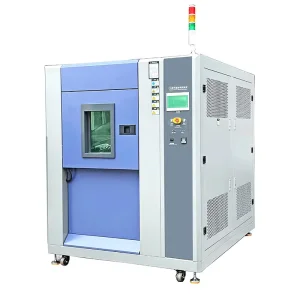
In the rapidly changing landscape of automotive manufacturing, aerospace structures, and high-capacity lithium-ion energy storage systems (ESS), mechanical robustness is not just a performance metric—it is a critical safety threshold. Impact testing evaluates the capacity of a structural component or battery cell to endure sudden, localized kinetic energy transfer without structural failure, runaway thermal reactions, or hazardous emission events.
Simulating real-world vehicle collisions and mechanical abuse scenarios under strict regulatory environments.
Tracking temperature elevations and video telemetry in real-time during structural penetration or battery crush events.
Meeting international standards including UL 9540A, UN 38.3, IEC 62619, and SAE J2464 without room for margin errors.
As a premier Impact Test Manufacturer, Taian Intelligent Equipment (Guangdong) Co., Ltd. builds highly specialized hardware architectures. These systems are capable of precise height calibration, impact mass regulation, and multi-channel sensory acquisition. The goal of this equipment is to yield reliable, repeatable empirical data to support product safety certifications globally.
Situated in Qiaotou, Dongguan, Taian Intelligent Equipment (Guangdong) Co., Ltd. was founded on March 10, 2017, with a registered capital of 12 million RMB. We specialize in the innovation and manufacturing of two primary categories: environmental test equipment and safety test equipment.
Through continuous R&D and engineering dedication, we have achieved recognition as a leading National High-Tech Enterprise in China. Our operations integrate advanced research, strict manufacturing processes, and comprehensive global customer services. We focus on technological, intelligent, and digital transformations to solve efficiency bottlenecks and safety risks associated with traditional manual testing methodologies.
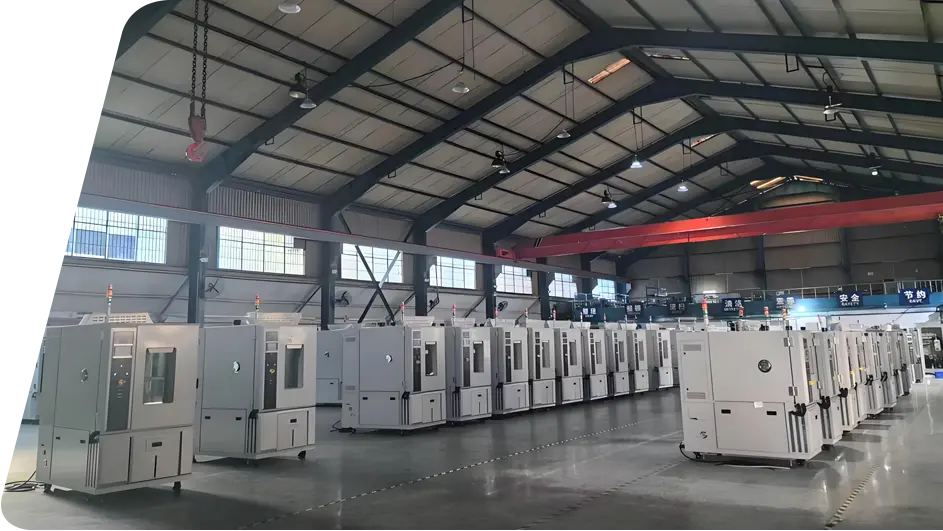
Why modern global corporations rely on Chinese engineering clusters in Guangdong for advanced reliability instrumentation.
Dongguan stands as one of the world's most dense technology and precision machining hubs. This environment enables rapid sourcing of premium raw materials, specialized high-strength metals, high-precision hydraulic cylinders, and advanced microchips, keeping lead times minimal.
China’s leadership in the EV and battery supply chain means local manufacturers collaborate directly with major lithium cell giants. This ensures testing hardware aligns perfectly with newly updated standards and accommodates high-energy solid-state and sodium-ion technologies.
By integrating design, software coding, sheet metal fabrication, and final testing under a single framework, we maintain competitive pricing models without sacrificing components like PLC architectures, sensor arrays, or explosion-proof windows.
Keeping pace with rapid technological shifts and strict international standards.
Contemporary systems integrate machine vision and thermal imaging algorithms to monitor deformation zones and identify early thermal runaways. This minimizes reliance on human observers and removes room for error.
Testing chambers increasingly demand the combination of mechanical stress (crush/penetration) with real-world climatic variables (extreme cold, high heat, low pressure, humidity) to replicate environmental profiles accurately.
With the rapid adoption of large cylindrical cells and high-nickel chemistry, safety chambers now require heavy reinforcement. This includes explosion-proof vents, gas monitoring systems, and automated water-deluge setups.
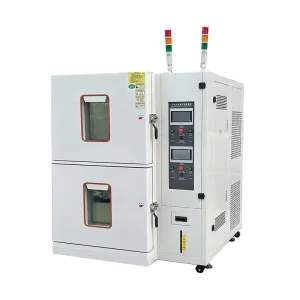
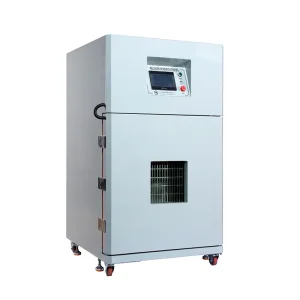
Engineered to simulate aggressive environmental exposures and verify strict physical barrier protections.
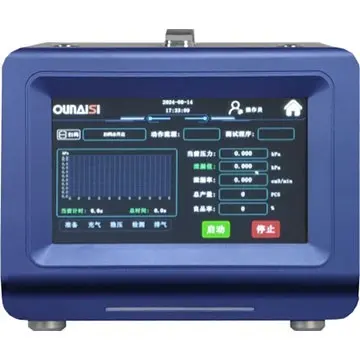
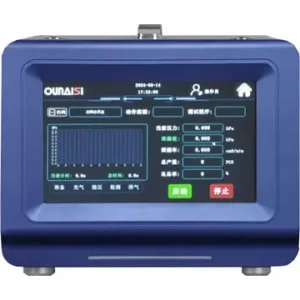
Differential pressure tester configured for high-throughput leak detection in sealed electronic systems.
Learn More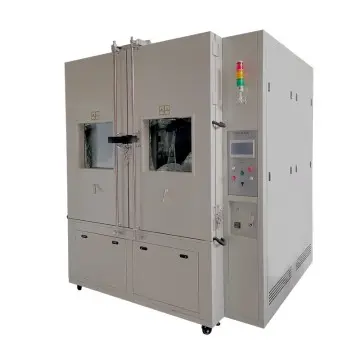
Designed to test ingress protection levels (IP5X/IP6X) against windborne particulate matter.
Learn More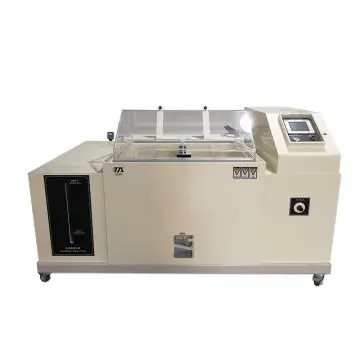
Evaluating paint coatings and hardware finishes against neutral salt spray corrosion profiles.
Learn More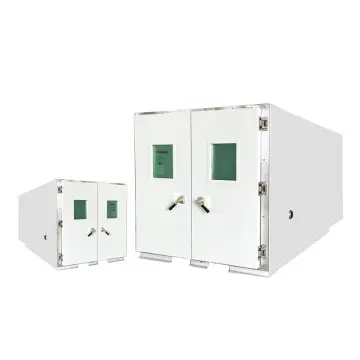
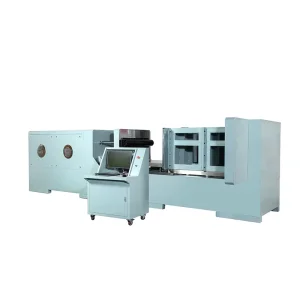
Large-scale testing volume for full automotive components and complex mechanical assemblies.
Learn MoreDelivering high-reliability equipment tailored to key sectors like Electric Vehicles (EV), Aerospace, and Global Supply Chains.
Our mechanical impact systems and squeezing/needle-penetration chambers simulate severe side-impact collisions. These setups analyze structural collapse and internal short circuits in large format EV modules.
Combining low-pressure environments with rapid temperature dynamics helps avionics and portable electronics pass aerospace certifications. This allows them to withstand low temperatures and low-pressure anomalies.
Our high-pressure washing testers and water spray systems verify that under-vehicle battery casings and motors can withstand intense pressure washing (IPX9K) and submersion (IPX7) without seal degradation.
Solving traditional manual testing limitations, large errors, and safety hazards with digital, modern systems.

Our R&D focus on automated detection systems helps labs eliminate mechanical measurement variations, dramatically speeding up verification times.

Transitioning to intelligent digital platforms helps prevent common testing errors, missed anomalies, and configuration issues.

Each system undergoes rigorous multi-point validation and calibration before shipping to ensure durable, safe operations under volatile test conditions.
Stay up to date with technological updates, upcoming exhibition schedules, and safety standard modifications.
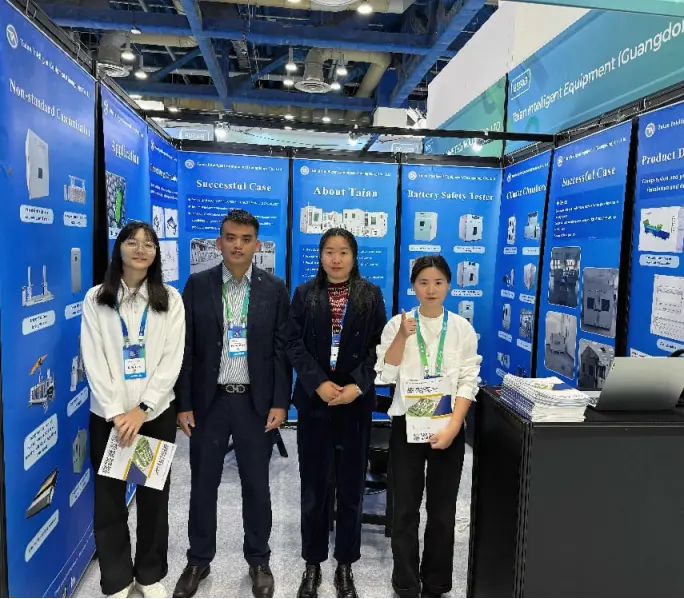
Taiantest has officially announced that it will make a significant appearance at the upcoming International Battery Show, showcasing our latest battery safety architectures...
Read Full Article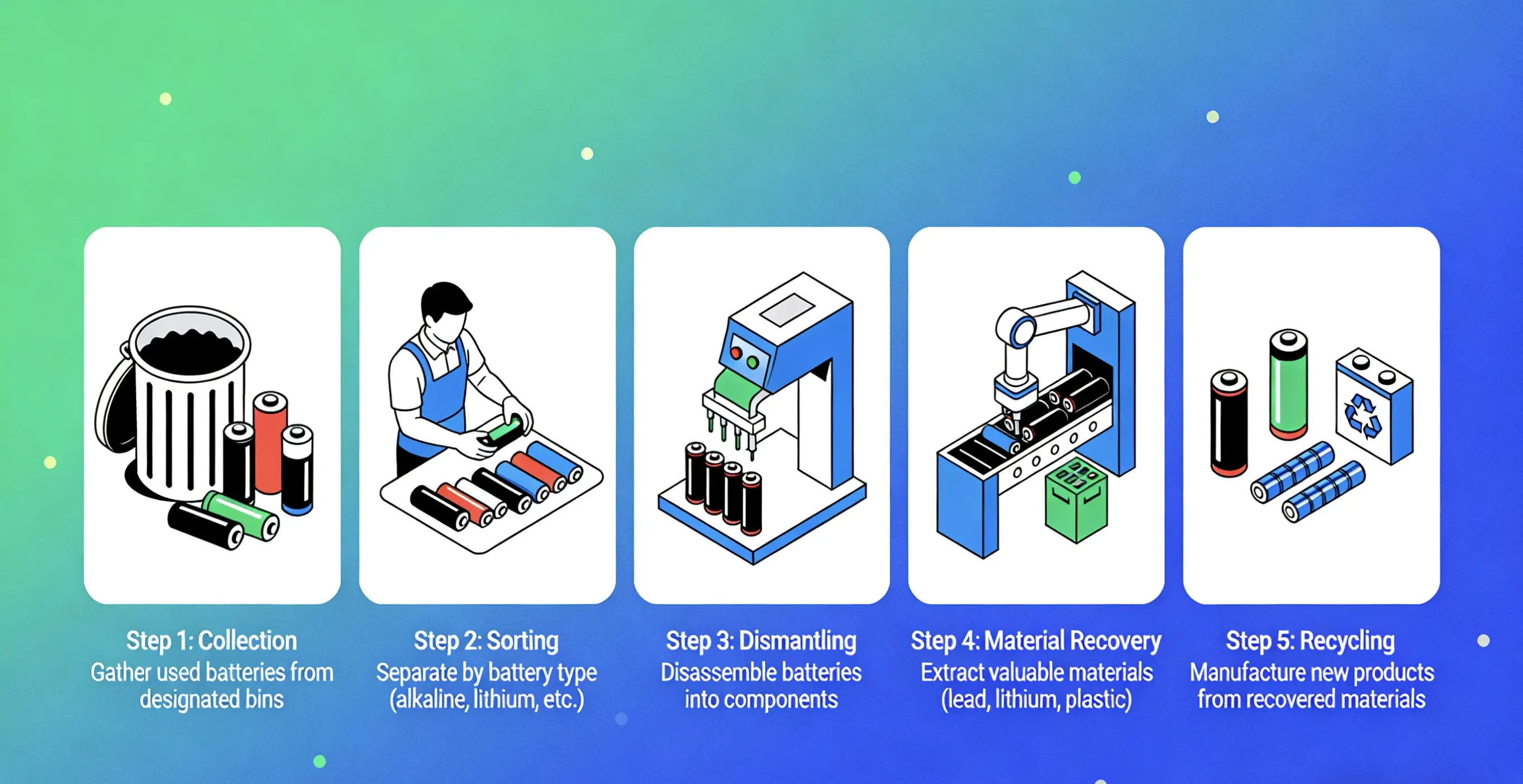
The global shift toward electrification highlights the need for robust recycling structures. Safe mechanical processing begins with verifying initial structural integrity...
Read Full ArticleAddressing core technical questions from procurement officers and safety testing engineers.
Complete safety suites configured to stress mechanical housings and battery cells to their physical limit.