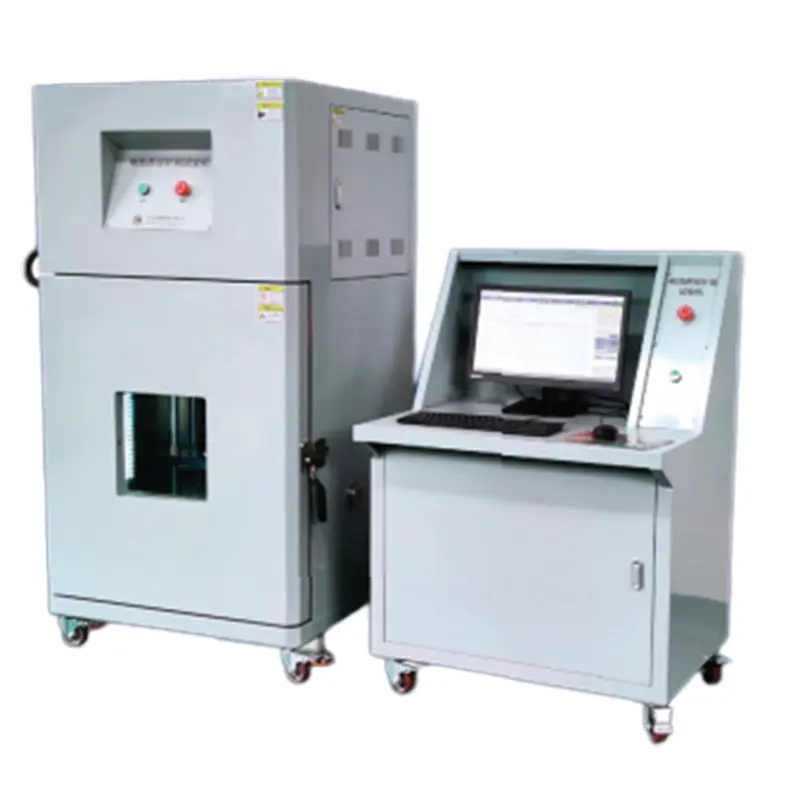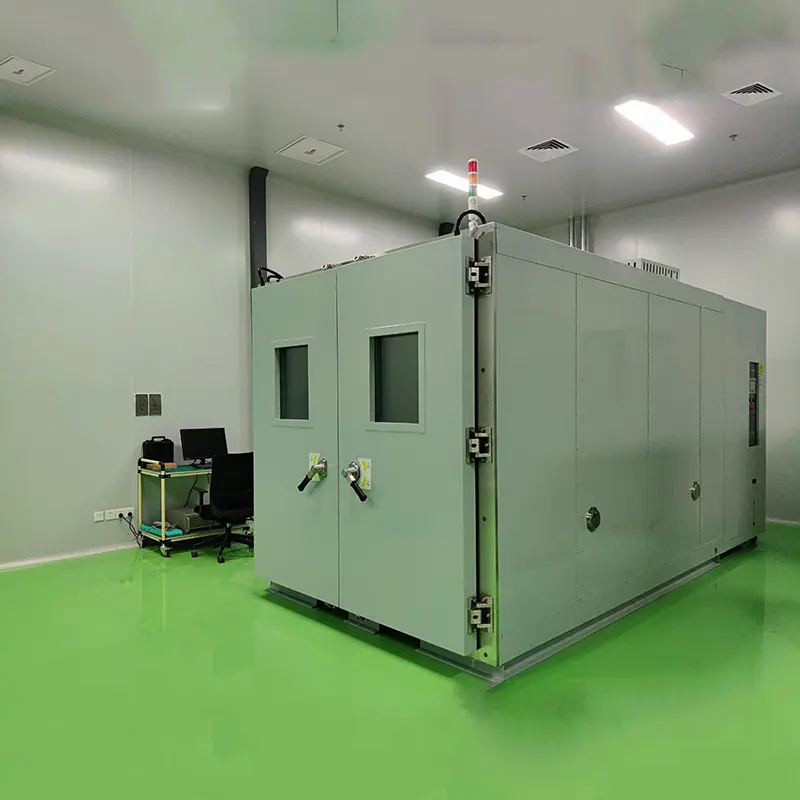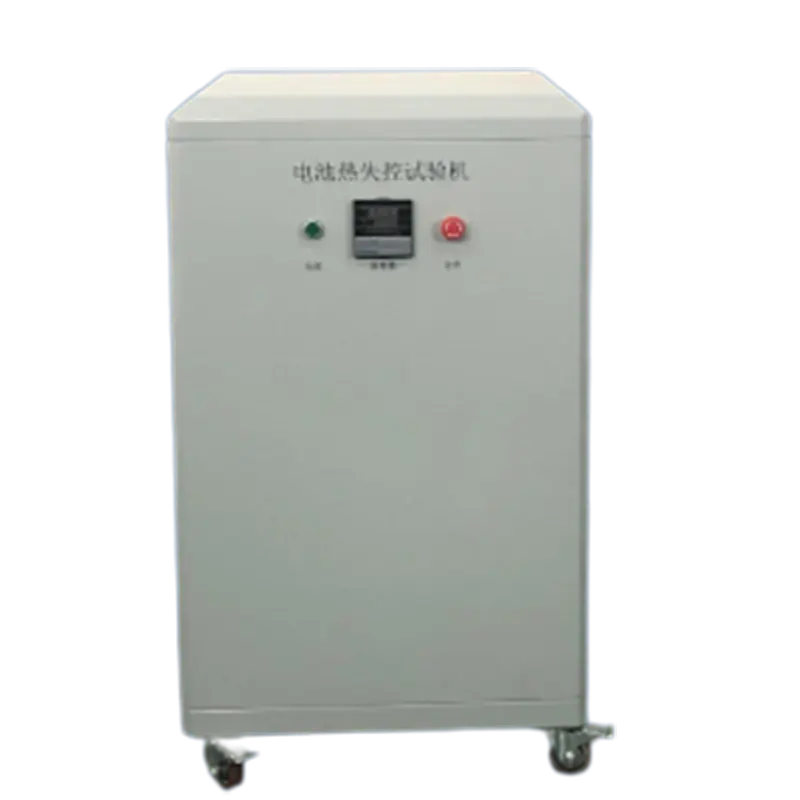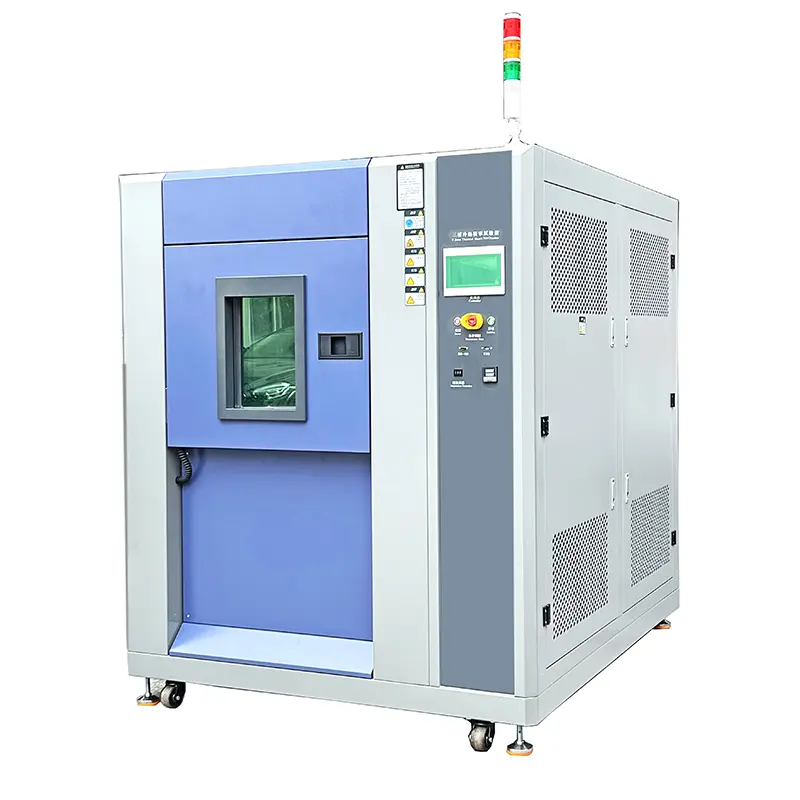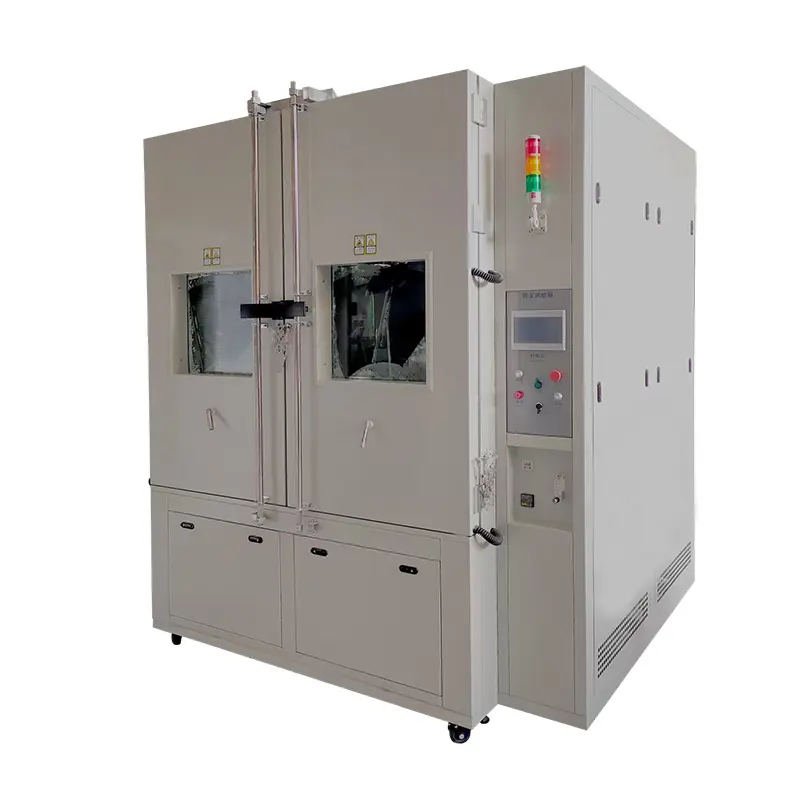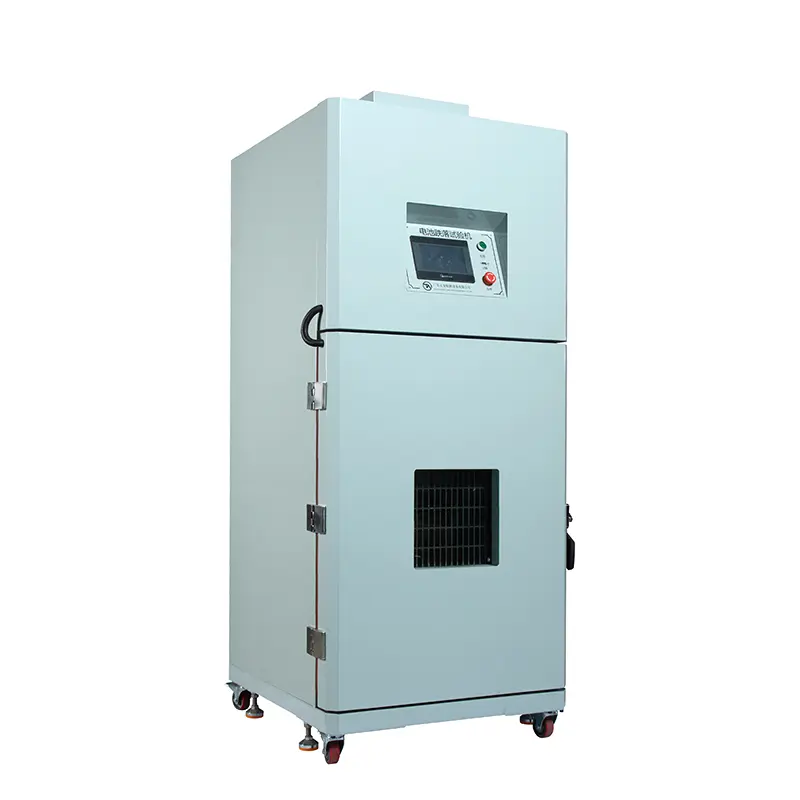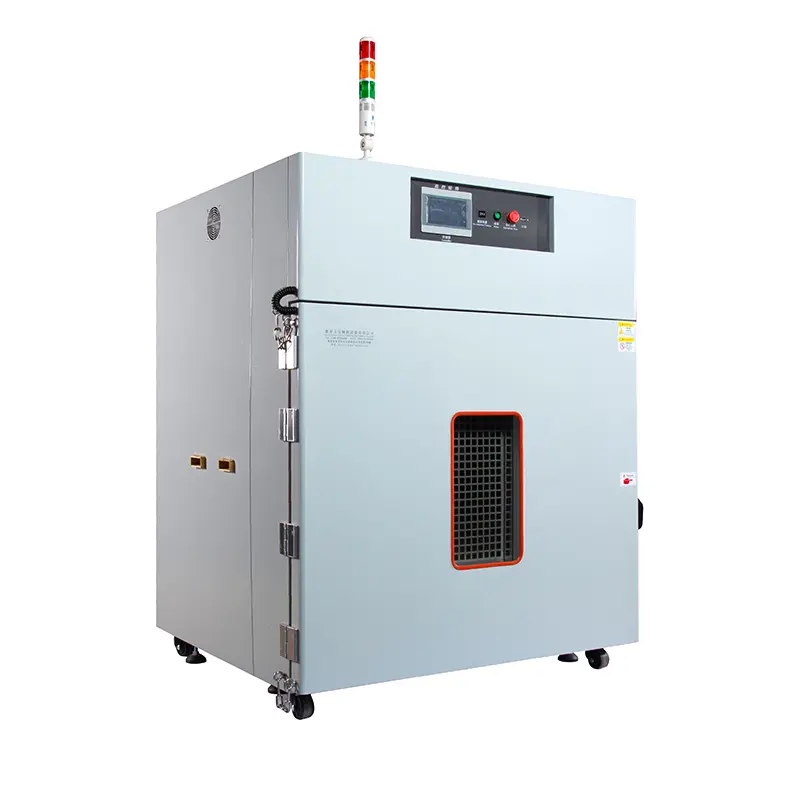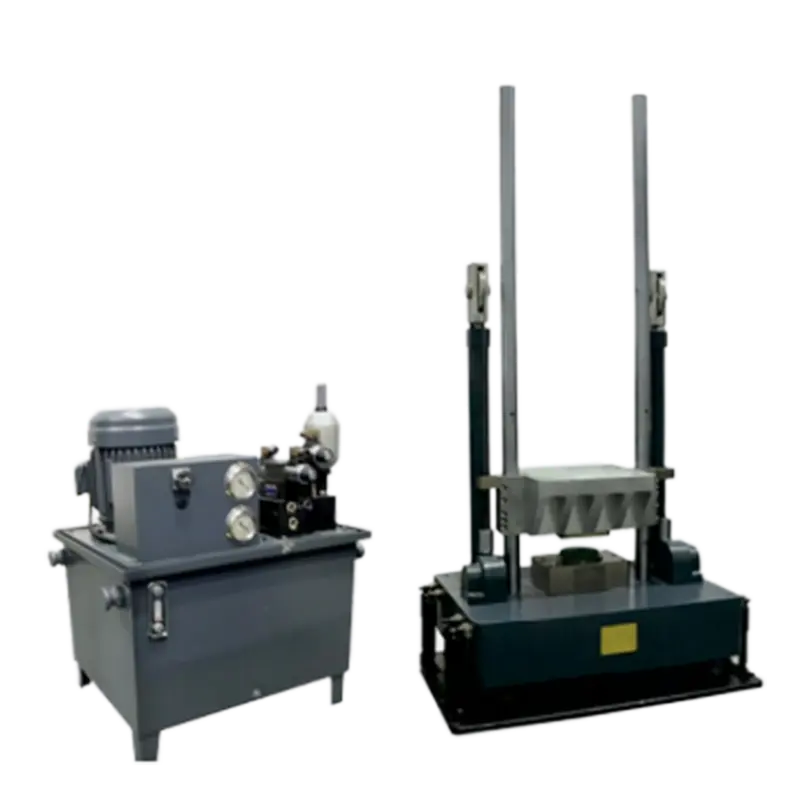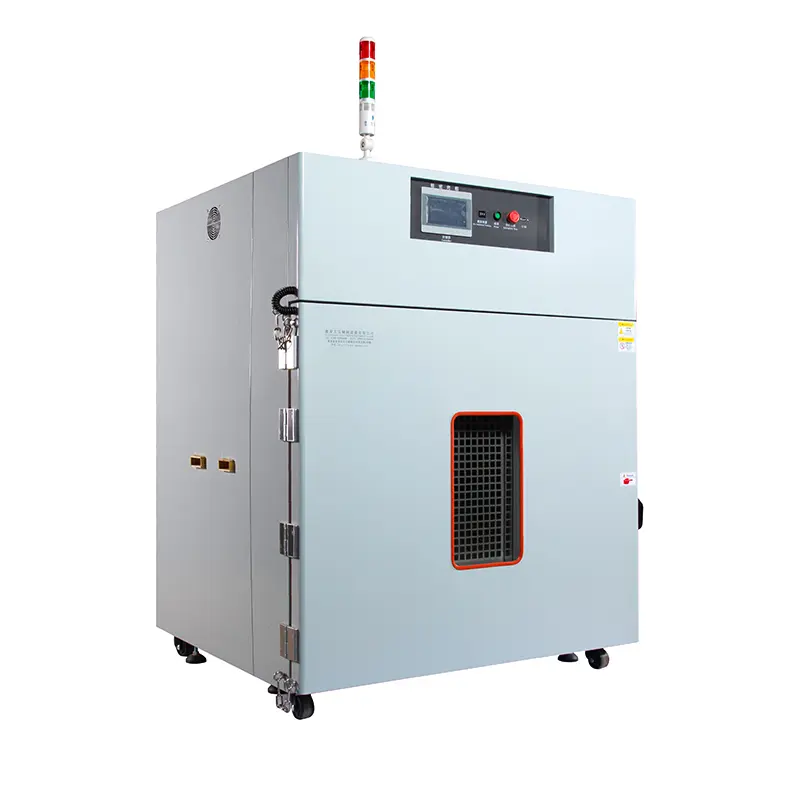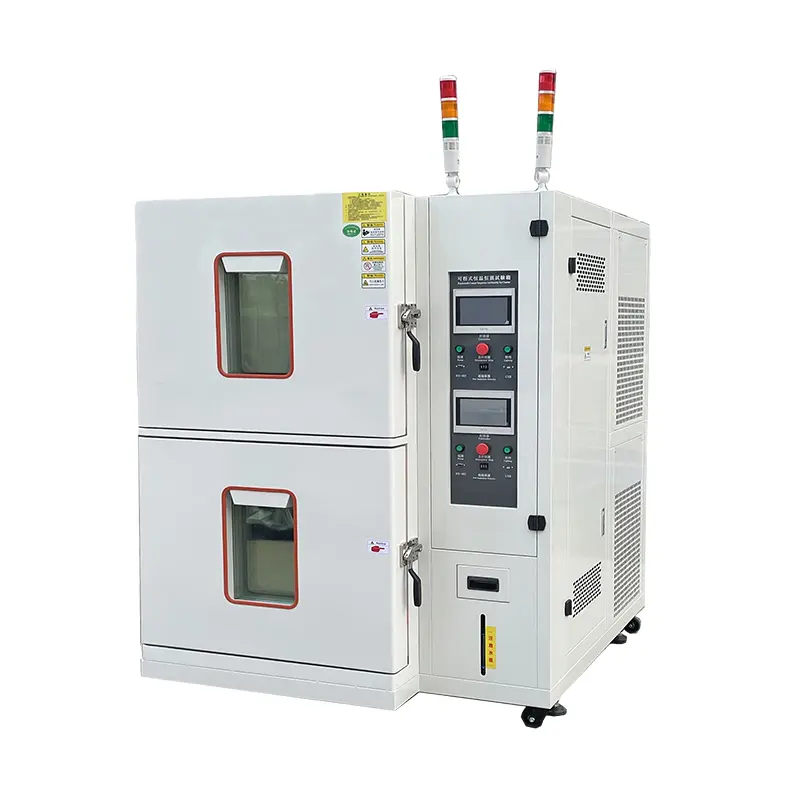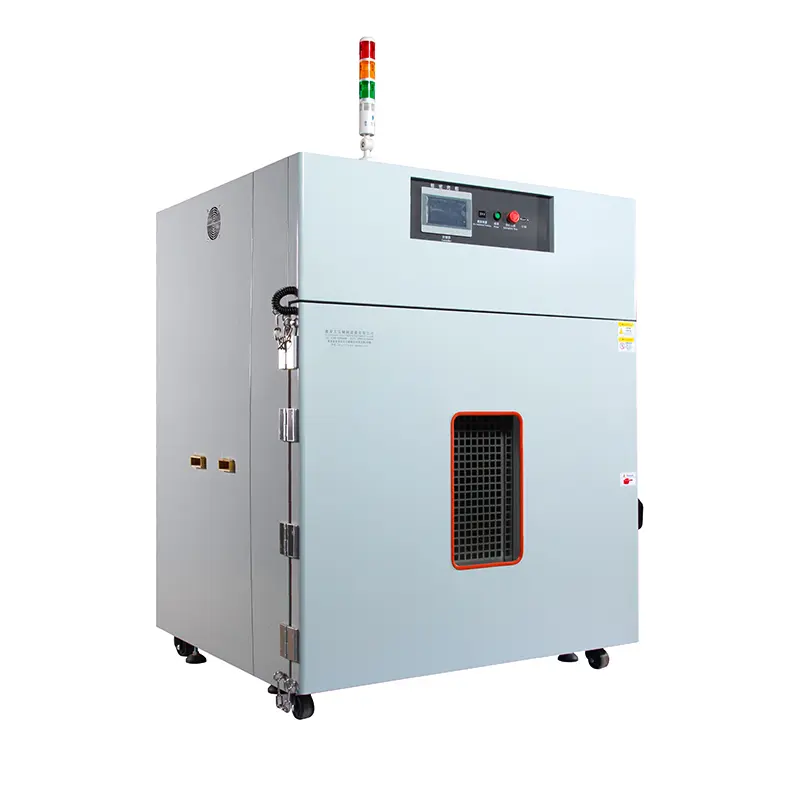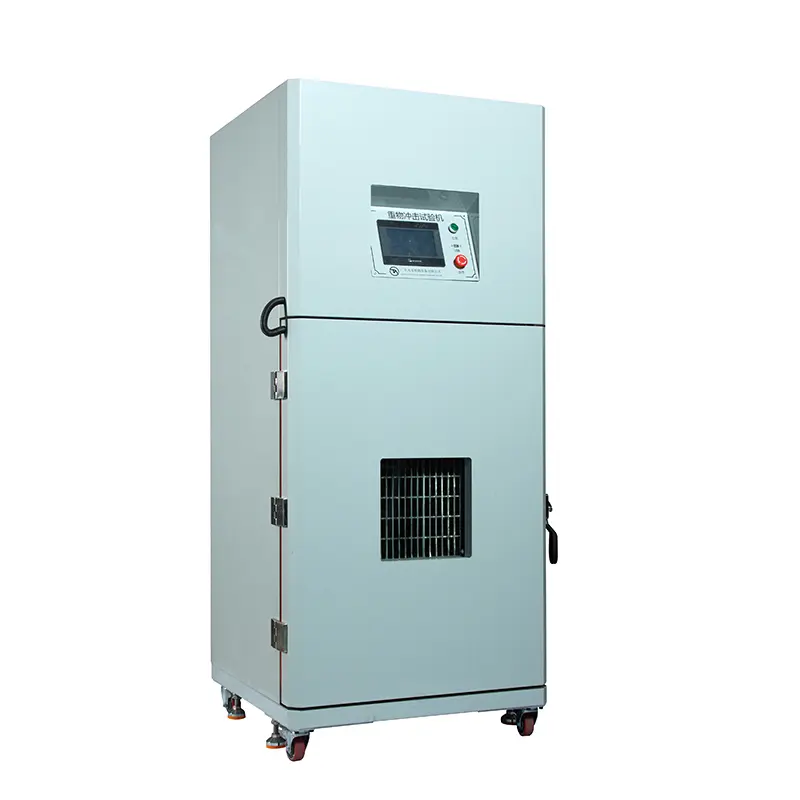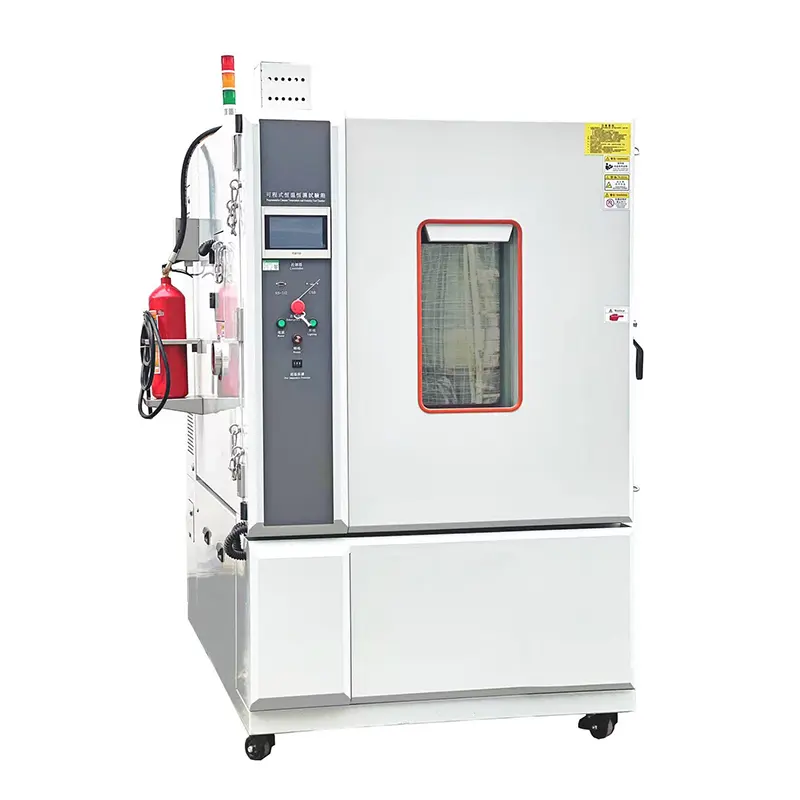
A Klimaatkamer (Climate Chamber) has evolved from a simple laboratory tool into a mission-critical infrastructure for the global manufacturing supply chain. As industries transition toward electrification and high-tech miniaturization, the demand for precise environmental simulation has reached an all-time high. In Europe, North America, and the Asia-Pacific region, climate chambers are the gatekeepers of product safety, ensuring that everything from EV batteries to aerospace semiconductors can withstand the most extreme atmospheric conditions on Earth.
The current industrial status of Klimaatkamer products is defined by the rigorous pursuit of reliability. In the automotive sector, the rise of Electric Vehicles (EVs) requires chambers that can handle not just temperature and humidity, but also extreme thermal runaway scenarios. Globally, enterprises are moving away from standard, off-the-shelf testing units toward highly customized, integrated solutions that can communicate with cloud-based PLM (Product Lifecycle Management) systems.
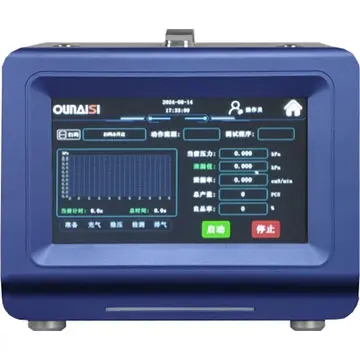
The modern Klimaatkamer is no longer a "dumb box." The trend is moving toward AI-assisted testing. Our latest systems feature predictive maintenance and autonomous adjustment of cooling/heating cycles to optimize energy consumption. Global procurement teams now prioritize machines that offer remote monitoring and digital data logging to meet ISO and UL certification standards without manual intervention.
Environmental testing must itself be environmentally friendly. There is a massive shift toward using low-GWP (Global Warming Potential) refrigerants like R448A and R452A. Our R&D department in China is at the forefront of this transition, ensuring that our products comply with the latest F-gas regulations in the European Union.
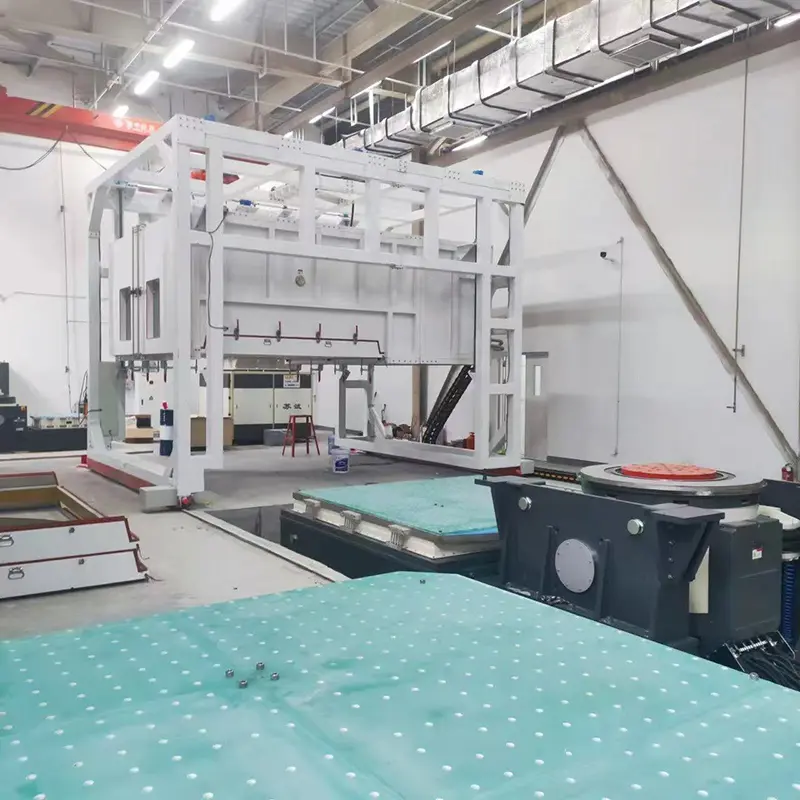
Enterprises are increasingly seeking Comprehensive Test Chambers. These units combine temperature, humidity, and vibration (the "three-综合" chamber) into a single workspace. This allows engineers to simulate real-world conditions where a car battery might be subject to a freezing humid night while driving over rough terrain simultaneously.
With the battery market exploding, "Safety" has become the primary procurement keyword. Chambers must now include explosion-proof ports, fire suppression systems, and gas detection sensors to protect the lab environment during destructive testing phases like needle penetration or overcharge cycles.

Localized testing for battery packs (ESS) under extreme Scandinavian winters or Middle Eastern heat. Our Walk-in Constant Temp-Humidity chambers are used by Tier-1 suppliers to validate high-voltage components.

Thermal shock and rapid temperature change testing for smartphones and wearable tech to ensure solder joint reliability and battery life stability across global markets.

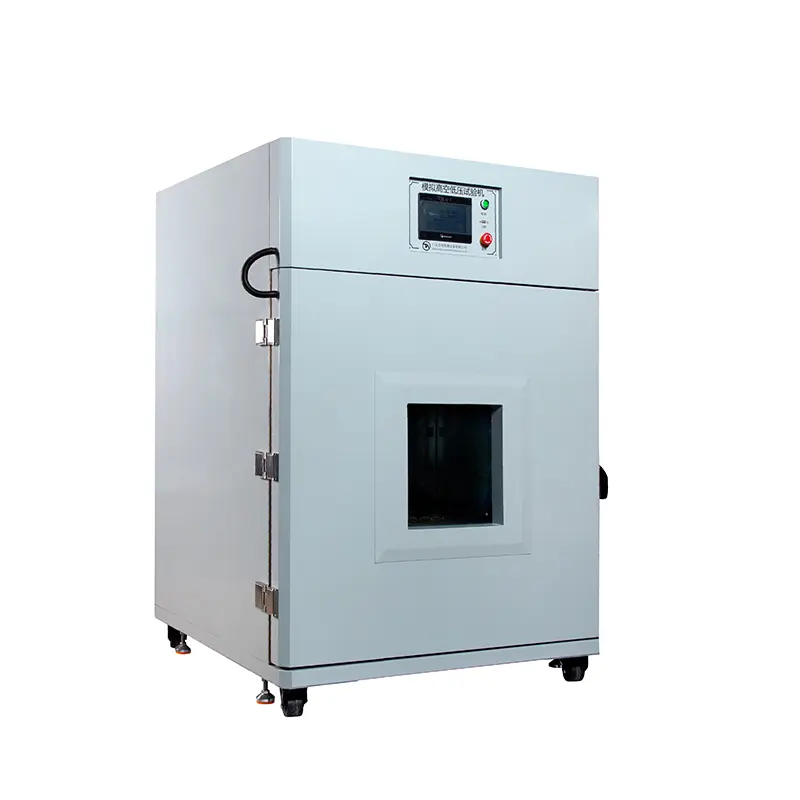
Testing large-scale energy storage systems (ESS) for solar and wind farms. Simulating high-altitude low-pressure environments to ensure cooling systems function in mountainous regions.
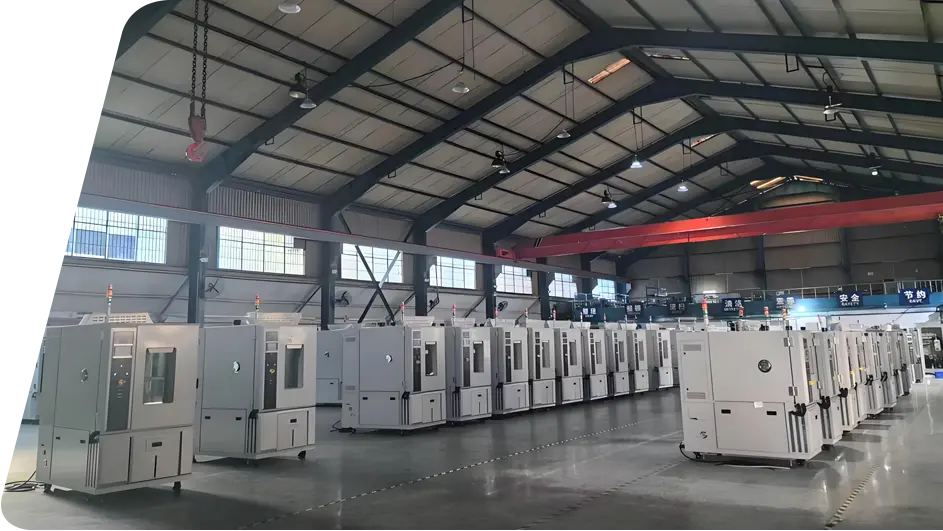
Taian Intelligent Equipment (Guangdong) Co., Ltd. represents the peak of Chinese high-tech manufacturing. Based in the global industrial hub of Dongguan, we offer unique advantages that Western competitors cannot match:
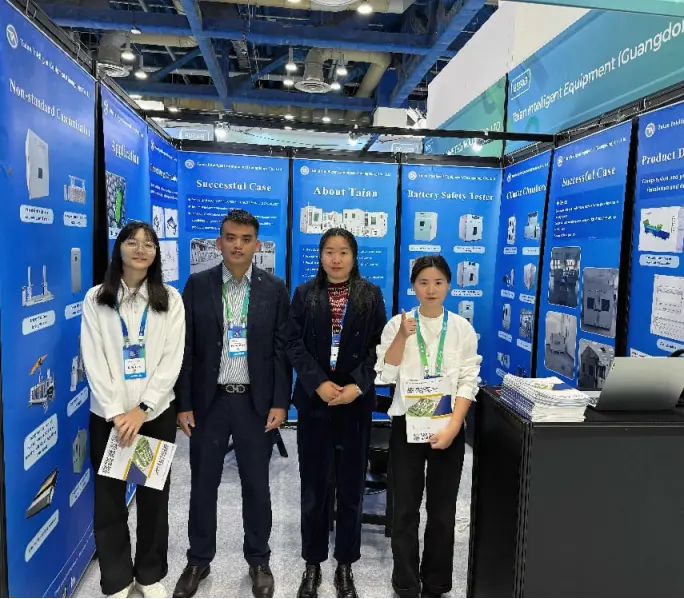
Taiantest will showcase high-precision battery environmental testing solutions, focusing on the future of green energy and circular economy battery recycling processes.
Navigating fire spread testing for large-scale energy storage systems.
Safeguarding the core of EV battery packs against high-pressure washing.
How R448A/R452A are changing the environmental chamber landscape.
Testing electronics at low pressure and extreme cold for aerospace applications.