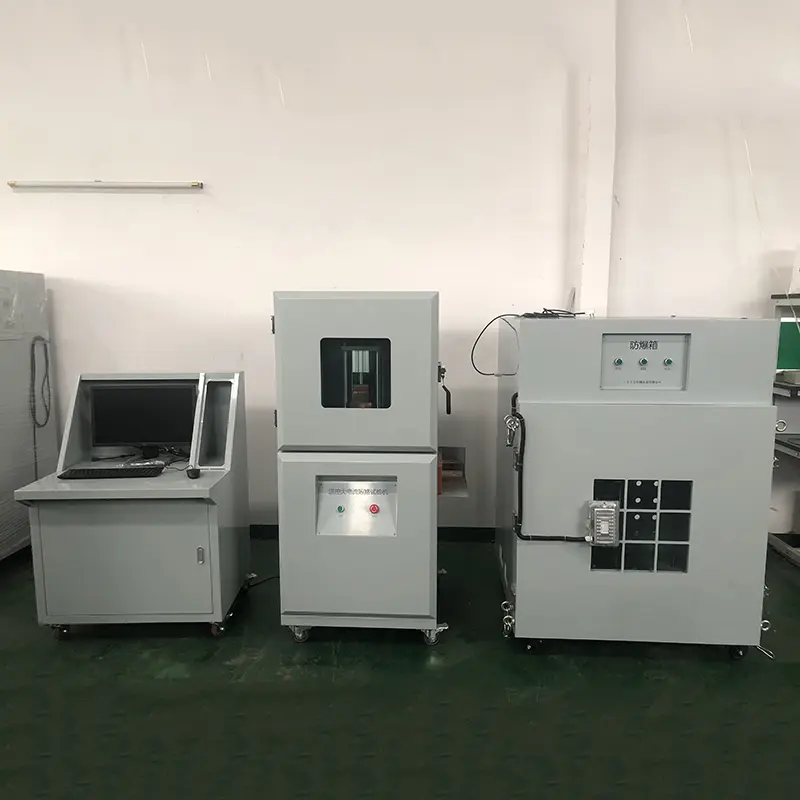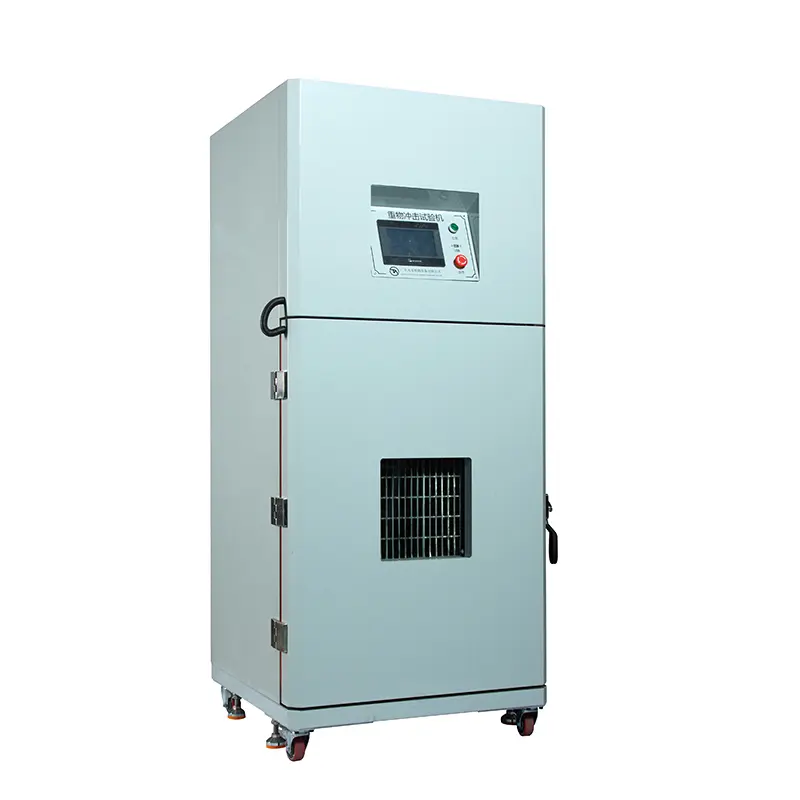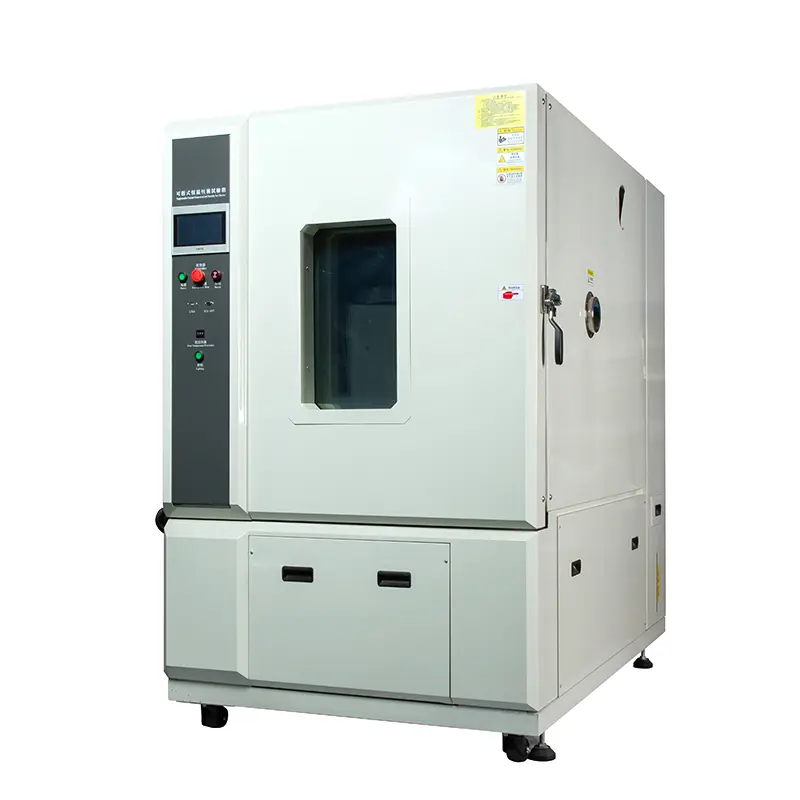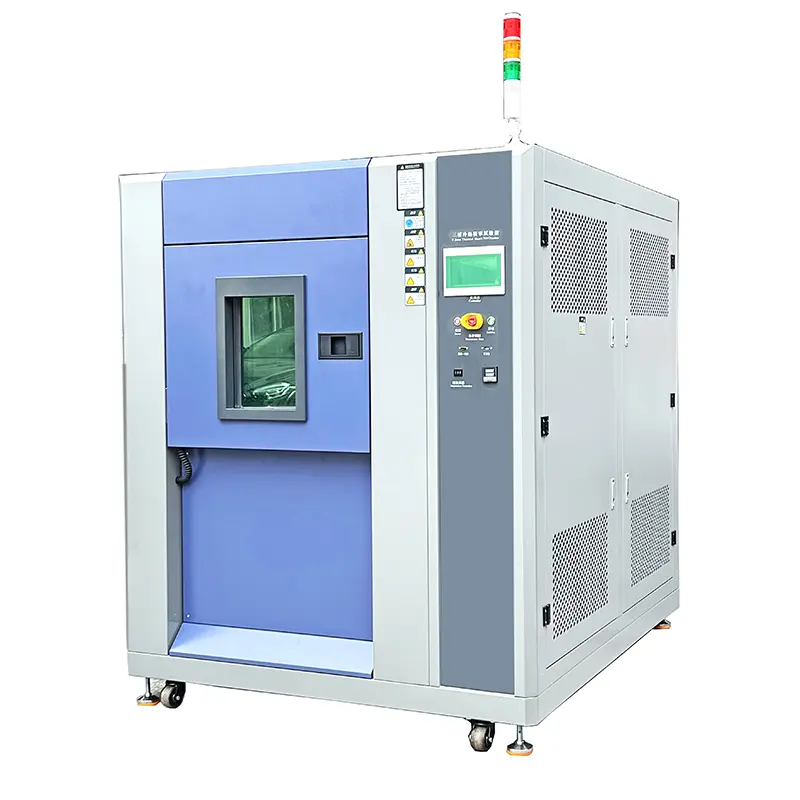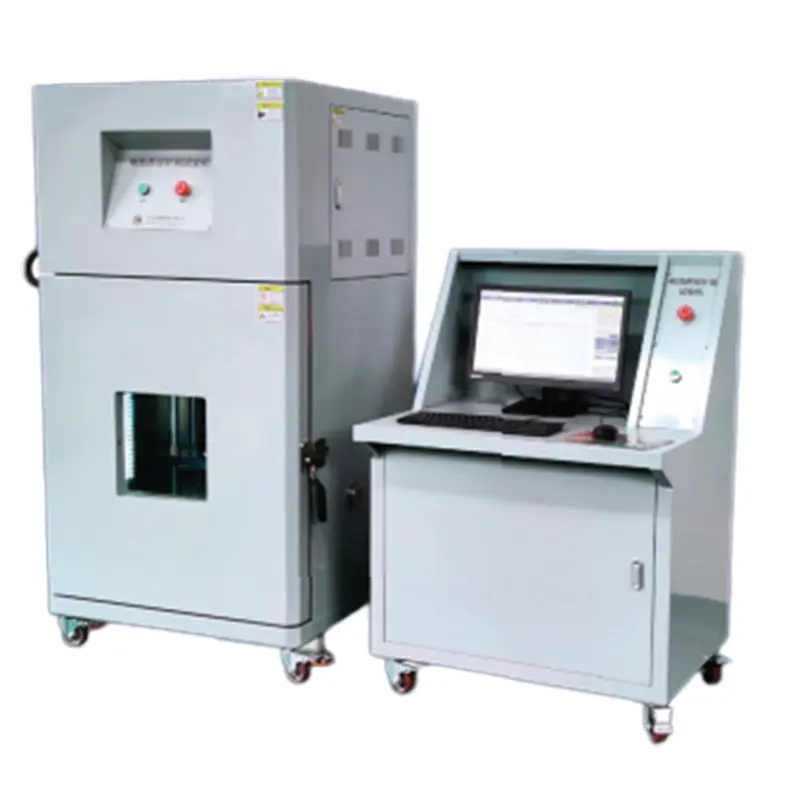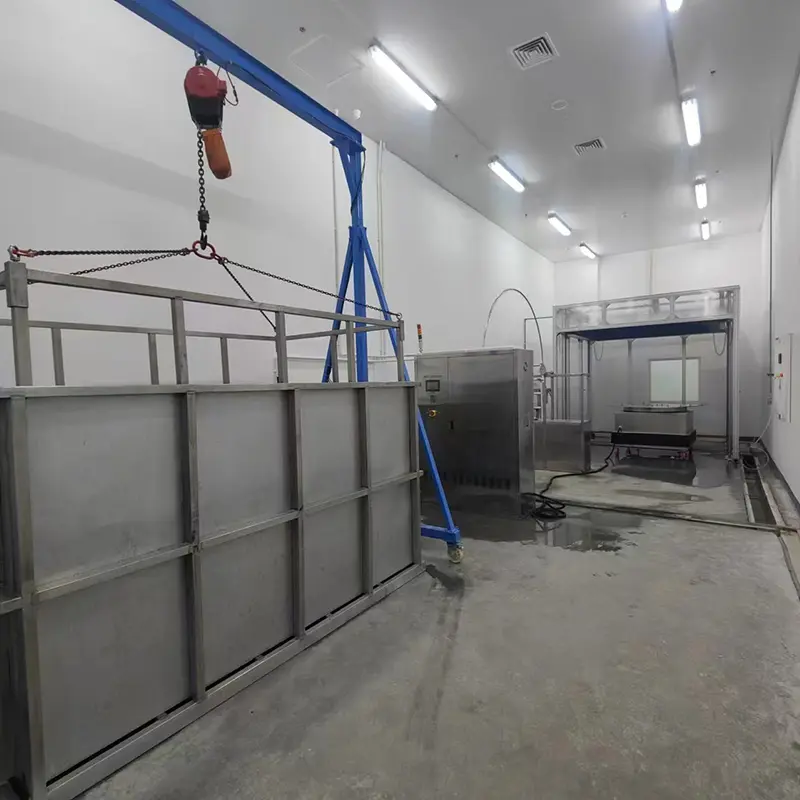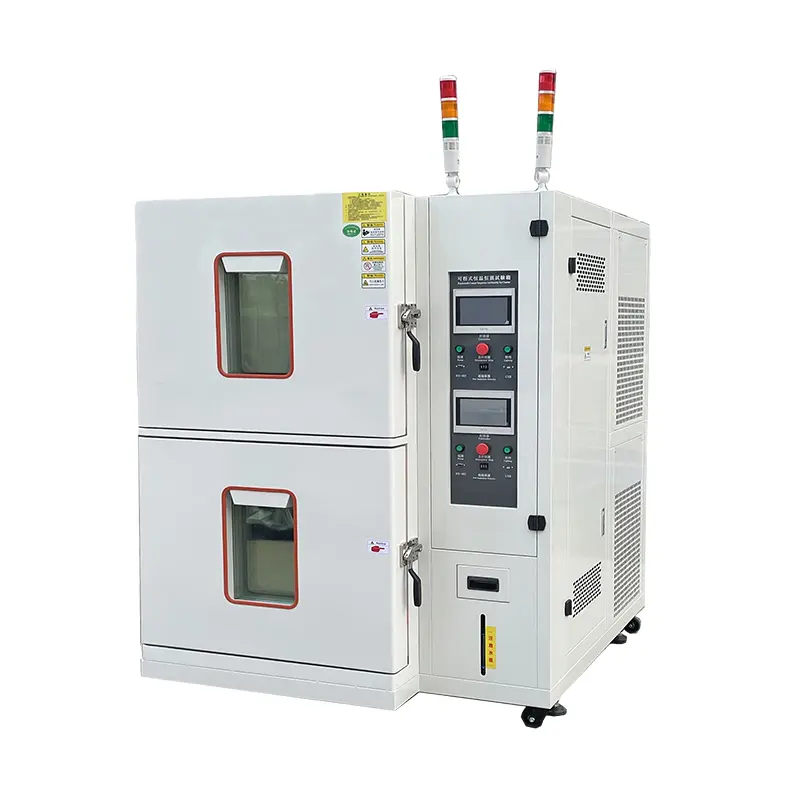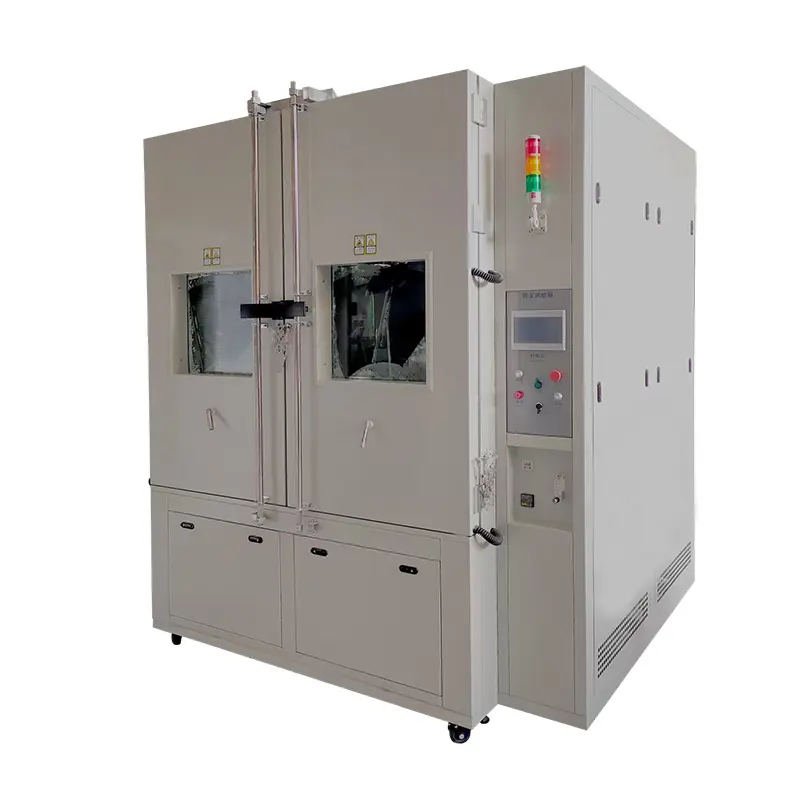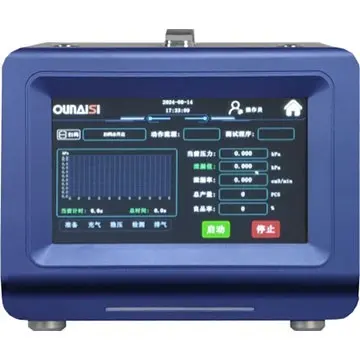
In the modern industrial era, integrity is paramount. Leak detection has evolved from a simple quality control step into a mission-critical phase of the manufacturing process. Globally, the demand for precision air leak testers is skyrocketing, driven by the expansion of the Electric Vehicle (EV) market, the miniaturization of consumer electronics, and the stringent safety requirements in the medical device sector.
Industrial giants in North America, Europe, and Asia are no longer satisfied with "pass/fail" results. They require high-precision data, traceable results, and integration with Industry 4.0 systems. This global shift has placed high-tech manufacturers like Tai'an at the forefront of the industry, providing the "digital ears" needed to detect microscopic pressure drops that could compromise billion-dollar battery packs or life-saving medical components.
The industry is currently witnessing three major trends:
Taian Intelligent Equipment (Guangdong) Co., Ltd., situated in Qiaotou, Dongguan, was founded on March 10, 2017, with registered capital of 12 million RMB. We have become a leading national high-tech enterprise industry in China, integrating research and development, production, sales, and service.
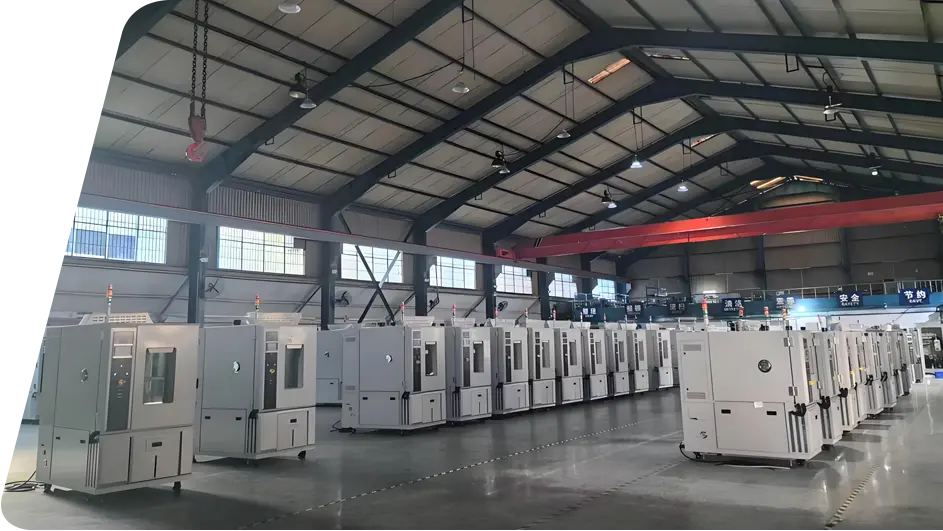
Our leak detection and environmental testing products are applied in diverse localized scenarios across the globe:
1. EV Battery Pack Integrity: In the European and South Korean battery markets, ensuring IP67 or IP68 waterproof ratings for massive battery packs is non-negotiable. Our High-Pressure Spray Testers and Differential Pressure Testers work in tandem to ensure zero-defect shipment.
2. Consumer Electronics: From smartphones to wearable devices, the need for air-tight seals is universal. Our precision testers help manufacturers in Vietnam and India maintain high-speed production lines with sub-millimeter accuracy.
3. Automotive Component Testing: From fuel tanks to braking systems, our equipment ensures that every localized factory can meet international safety standards such as UL and CE.
As a leading Chinese factory, we offer a unique blend of innovation and value that Western counterparts often struggle to match:
We leverage China's vast supply chain to move from concept to custom testing solution in weeks, not months. This agility is vital for the fast-paced EV industry.
By optimizing our manufacturing processes in Dongguan, we provide high-precision instruments at a total cost of ownership that maximizes ROI for global buyers.
We don't just build hardware. Our software team integrates AI-based error correction and intuitive PLC interfaces, making sophisticated testing accessible to all operators.
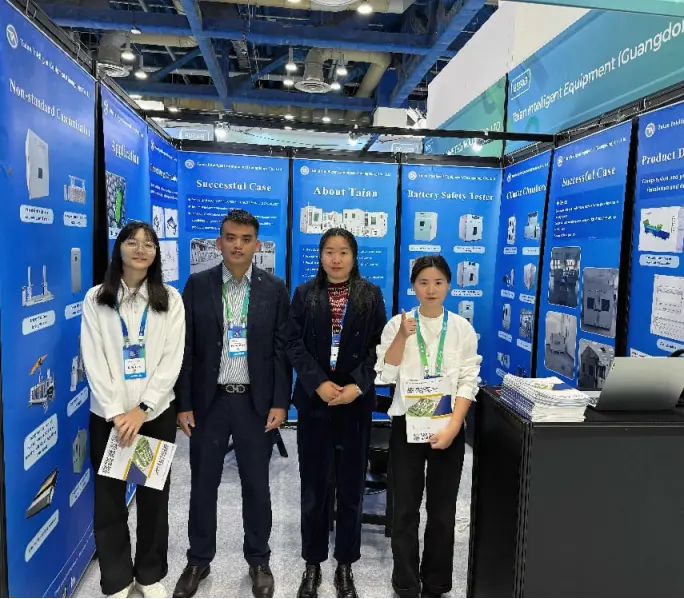
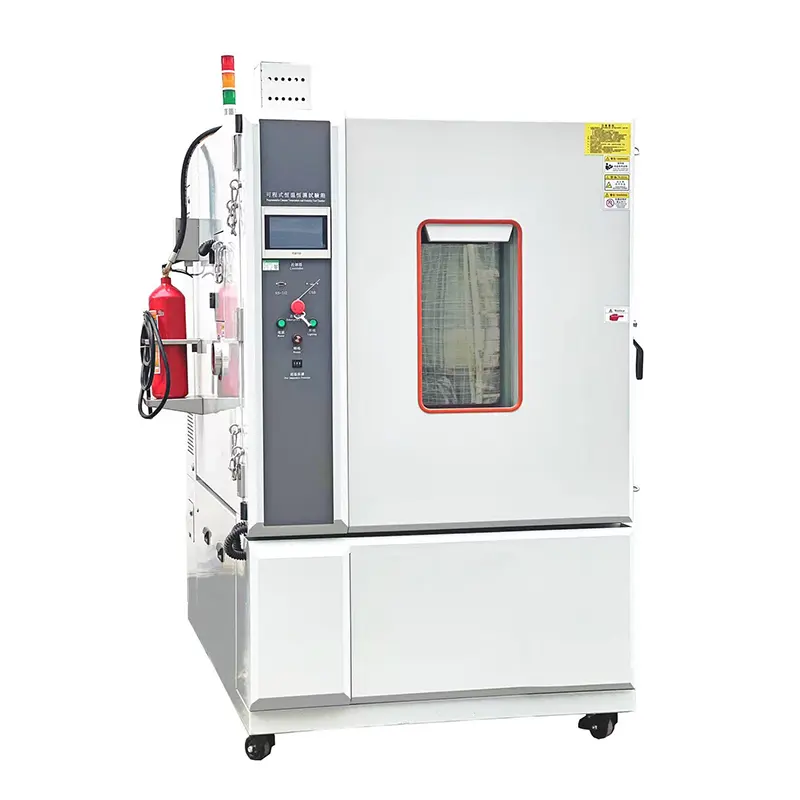
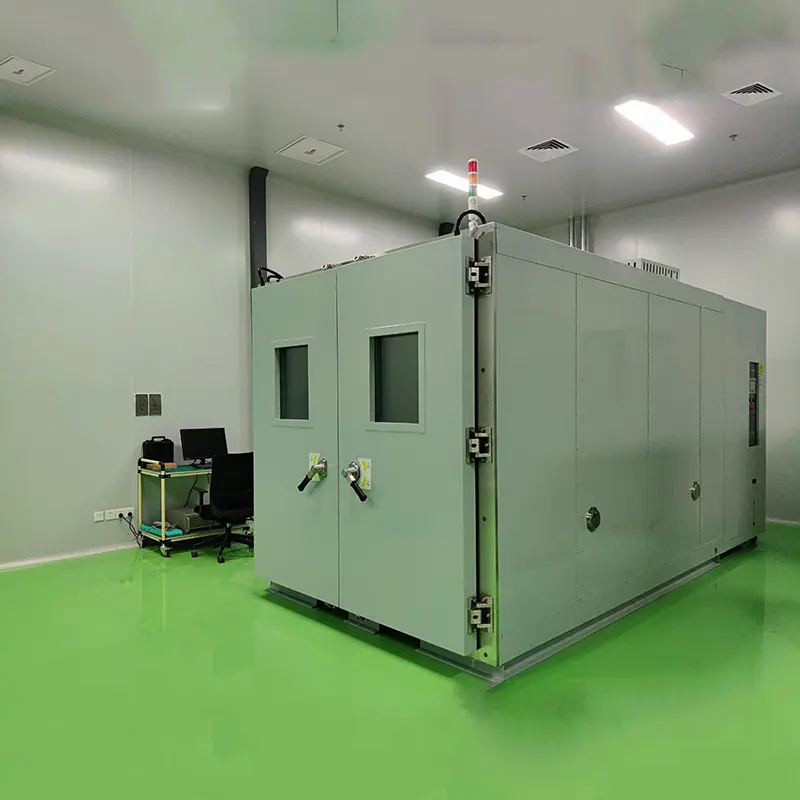
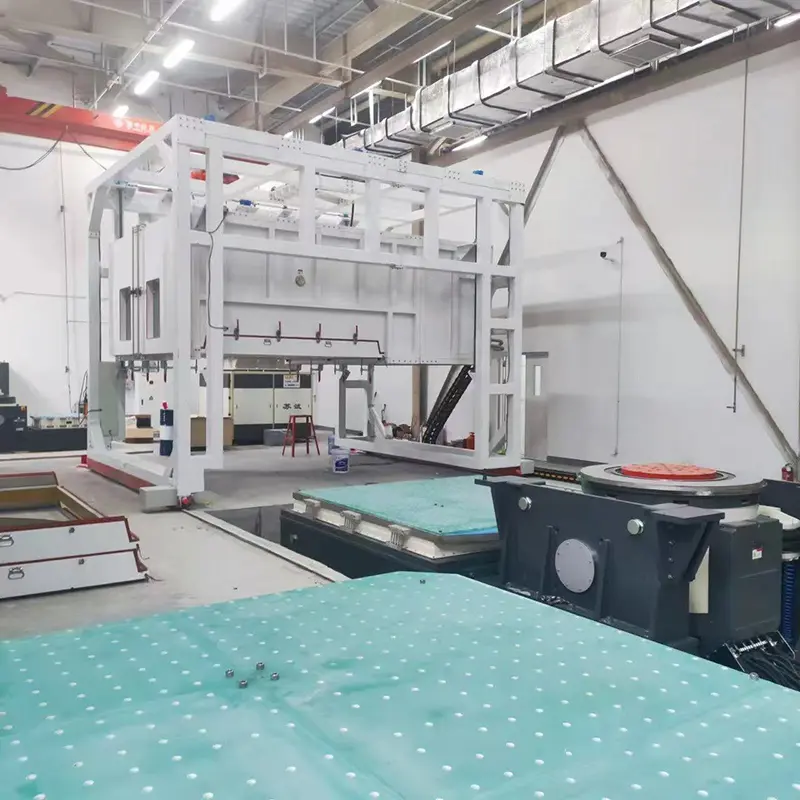
Taiantest has recently officially announced that it will make a significant appearance at the 2026 Korea Battery Show, showcasing high-precision environmental solutions.
Global procurement teams from Fortune 500 companies have moved beyond looking at just the price tag. Today's sourcing requirements for leak detection equipment focus on three core pillars:
Total Traceability: Every leak test must be logged with a timestamp, operator ID, and pressure curve. Our PLC-controlled systems are designed to interface directly with MES (Manufacturing Execution Systems) to provide a digital paper trail for every unit produced.
Repeatability and Stability: In a high-volume factory, even a 0.1% variance in testing repeatability can lead to thousands of dollars in wasted components. Tai'an's use of high-grade sensors and robust structural design ensures that the result you get today is the same result you'll get after 100,000 cycles.
After-Sales Global Support: Purchasing from a Chinese manufacturer shouldn't mean a lack of support. We provide comprehensive remote diagnostics and localized service partners to ensure that your production line never stops.
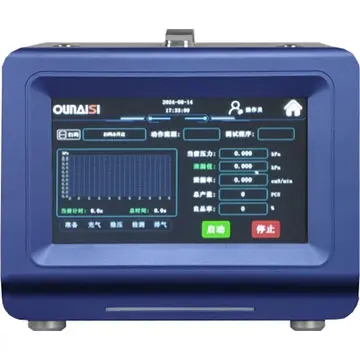
When selecting a Leak Detection Manufacturer, it's vital to understand the technology. Tai'an specializes in Differential Pressure (DP) testing. This method involves comparing the pressure drop in a test part against a known reference volume. It is highly sensitive to even the smallest leaks and is less affected by environmental changes than simple pressure decay methods. For EV battery packs, where the internal volume is large, our specialized algorithms compensate for "creep" and temperature drift, providing a stable reading where others fail.