In the current era of global energy transition, the Lithium-Ion Battery Cycle Life has become the definitive metric for the commercial viability of electric vehicles (EVs), renewable energy storage systems (ESS), and high-end consumer electronics. As the world pushes toward "Net Zero" emissions, the industrial demand for batteries that can withstand thousands of charge-discharge cycles without significant degradation is skyrocketing.
From the bustling gigafactories in Europe to the advanced R&D centers in North America, the focus is shifting from simple energy density to long-term reliability. Today, a leading China Lithium Ion Battery Cycle Life Manufacturer is no longer just a supplier; they are a strategic partner in the global supply chain, providing the testing infrastructure required to guarantee that these power sources can last 10, 15, or even 20 years in demanding environments.
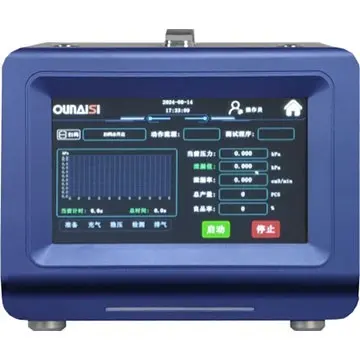
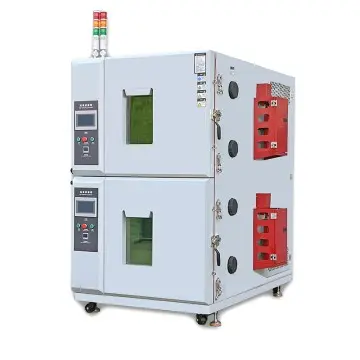
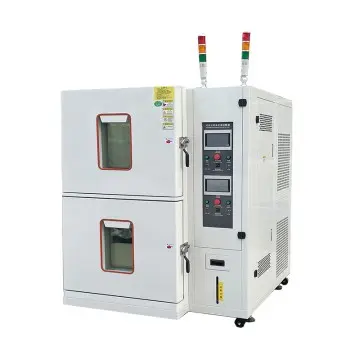
The modern manufacturing landscape is witnessing a massive shift toward AI-driven testing. Predictive modeling of cycle life allows manufacturers to simulate years of battery use in just weeks. As a prominent manufacturer, Taian Intelligent Equipment integrates digital twins and real-time data acquisition to eliminate manual errors and enhance testing efficiency.
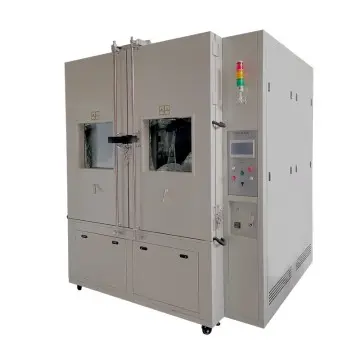
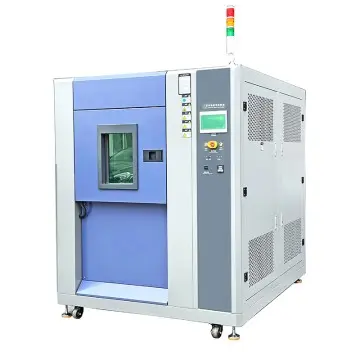
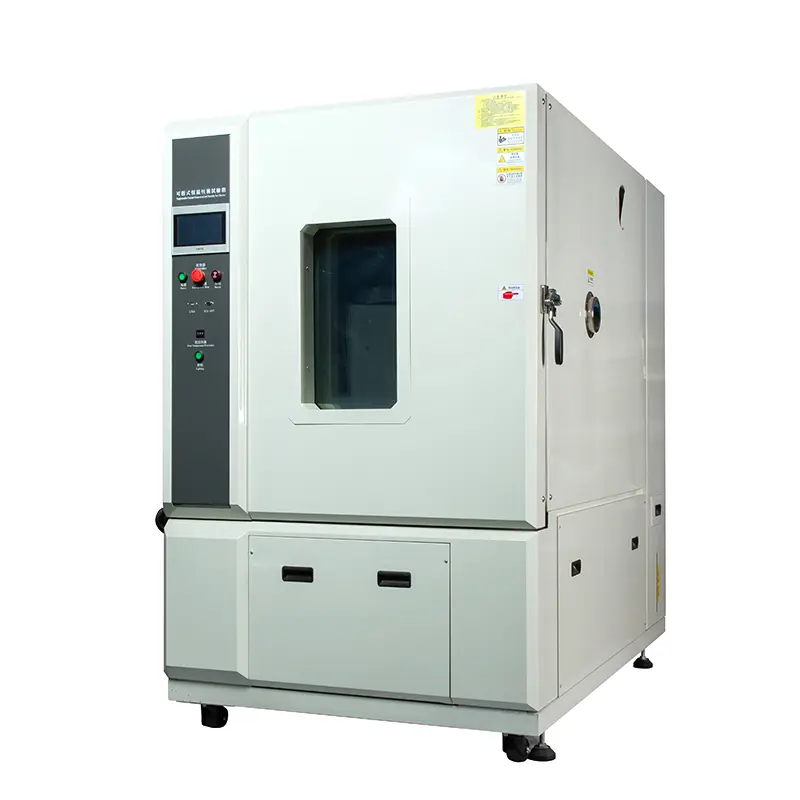
While liquid electrolytes currently dominate, the industry is trending toward solid-state technology. This transition requires entirely new testing protocols for cycle life, as mechanical pressure and thermal stability play different roles. Manufacturers must stay ahead by providing adaptable environmental chambers capable of high-precision thermal shock and pressure testing.
The "Second-Life" battery market is booming. Batteries that have reached their cycle life limit for EVs (typically 80% capacity) are being repurposed for stationary grid storage. This has created a massive demand for accurate cycle life assessment tools to determine the health and safety of used cells before they enter their second lifecycle.
Regulatory bodies like the EU with its "Battery Passport" and North America's UL standards are mandating more transparent cycle life and safety data. This shift forces manufacturers to adopt high-precision testing equipment that can provide certified, unalterable data for international compliance.
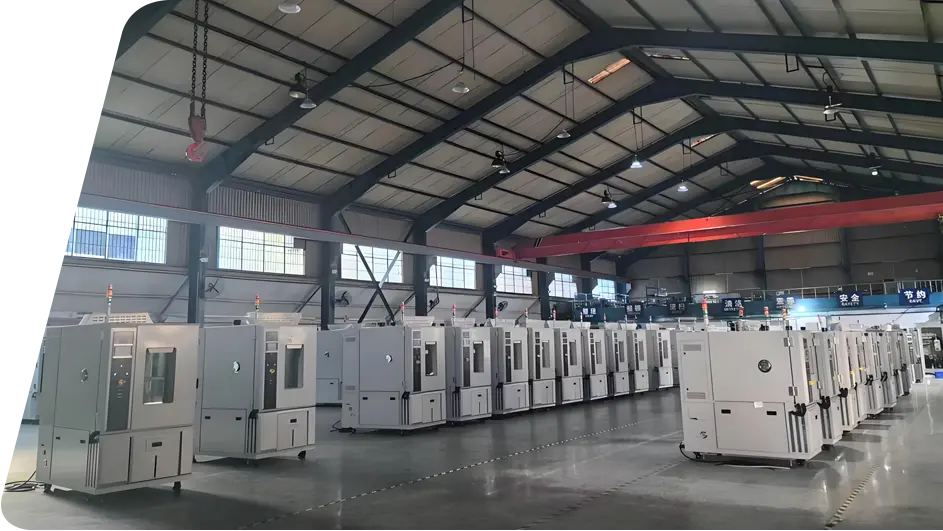
Taian Intelligent Equipment (Guangdong) Co., Ltd., situated in Qiaotou, Dongguan, was founded on March 10, 2017, with registered capital of 12 million RMB. The company is divided into two major types of products: environmental test equipment and safety test equipment.
After years of development and accumulation, we’ve become a leading national high-tech enterprise industry in China. We are an enterprise integrating research and development, production, sales, and service. Our commitment to green world solutions and precision engineering ensures that every piece of equipment we produce meets the highest international standards.
High-current short circuit and thermal runaway testing for EV packs to ensure 3000+ cycle stability under varying climatic conditions.
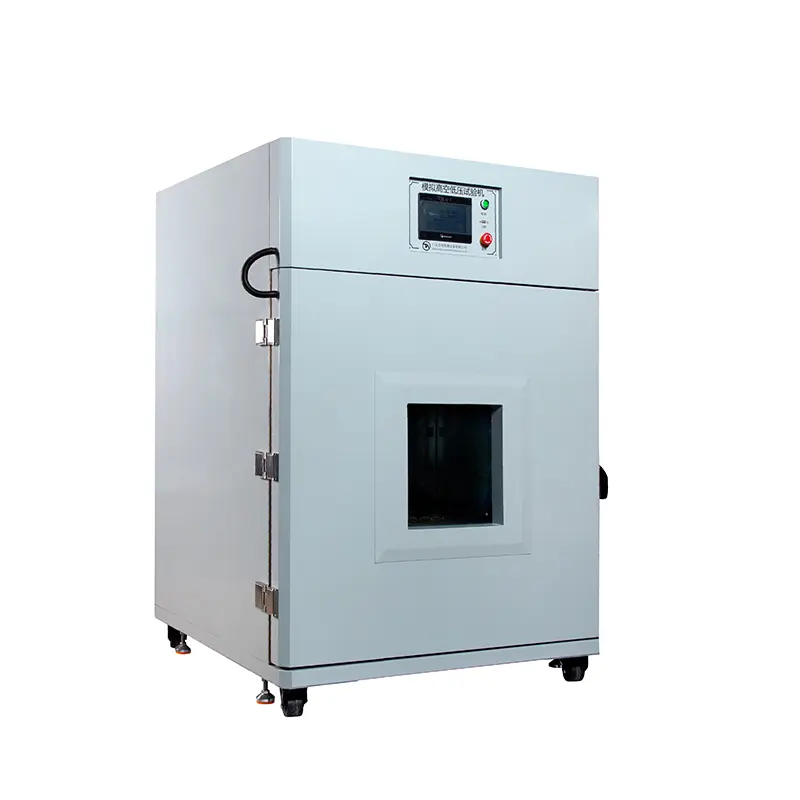
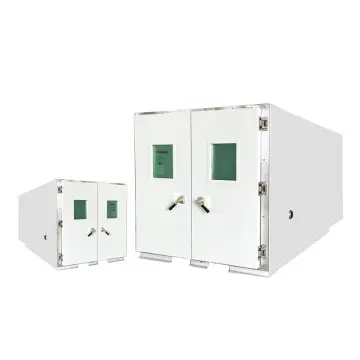
Simulating high-altitude and low-pressure environments for residential ESS batteries, ensuring longevity in diverse geographical locations.
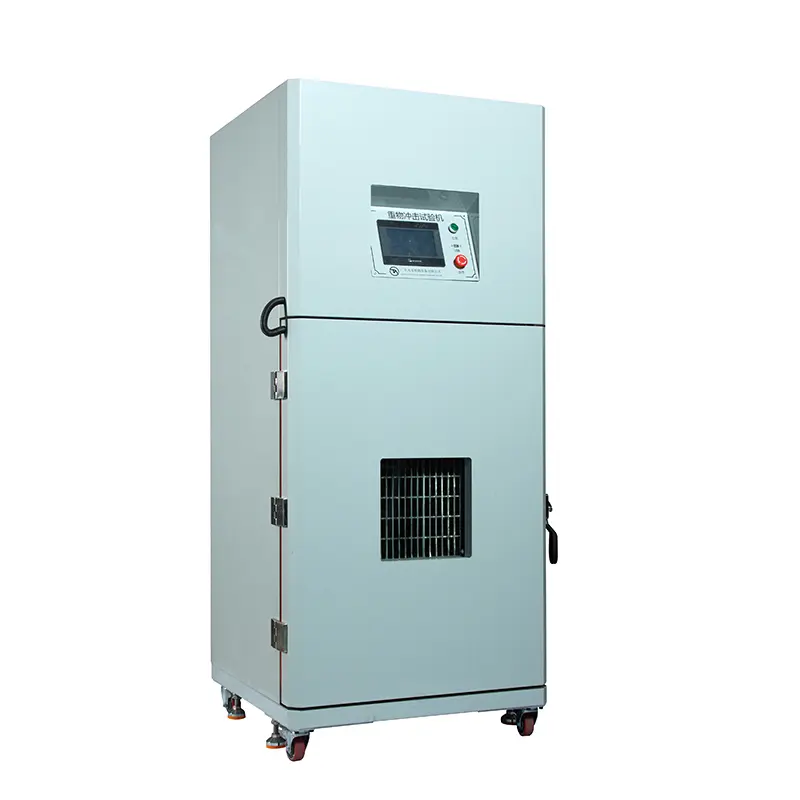
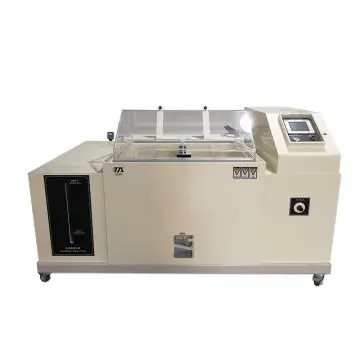
Precision temperature cycling and drop testing for smartphone and laptop batteries to maximize consumer safety and product lifespan.
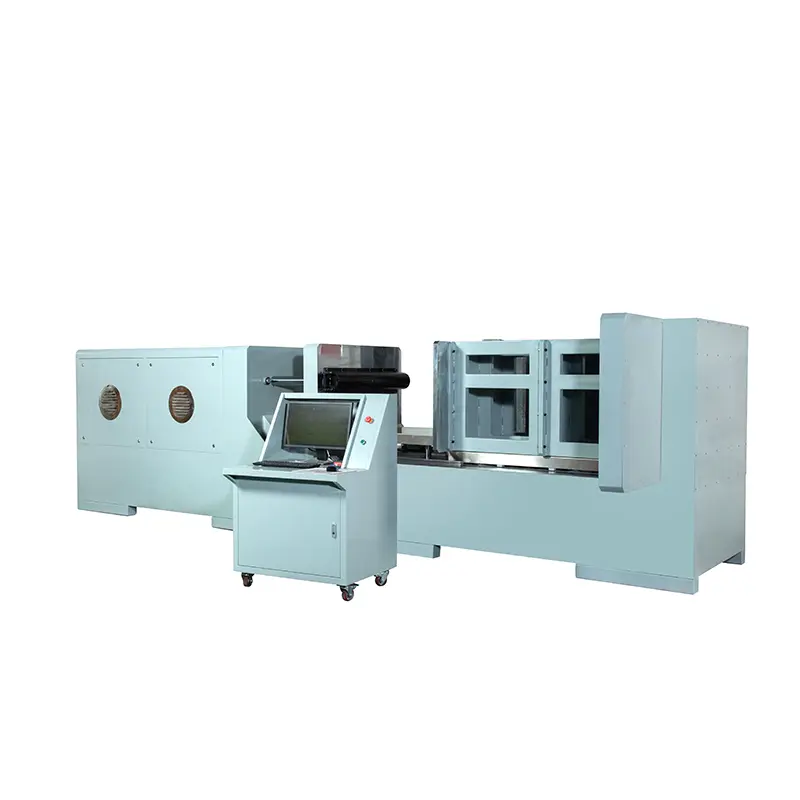
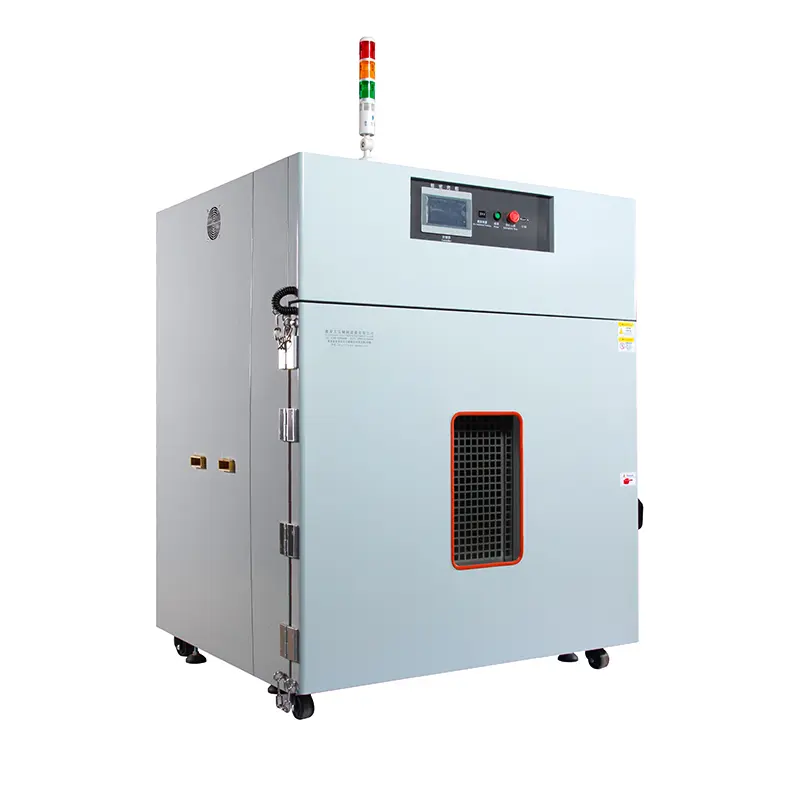
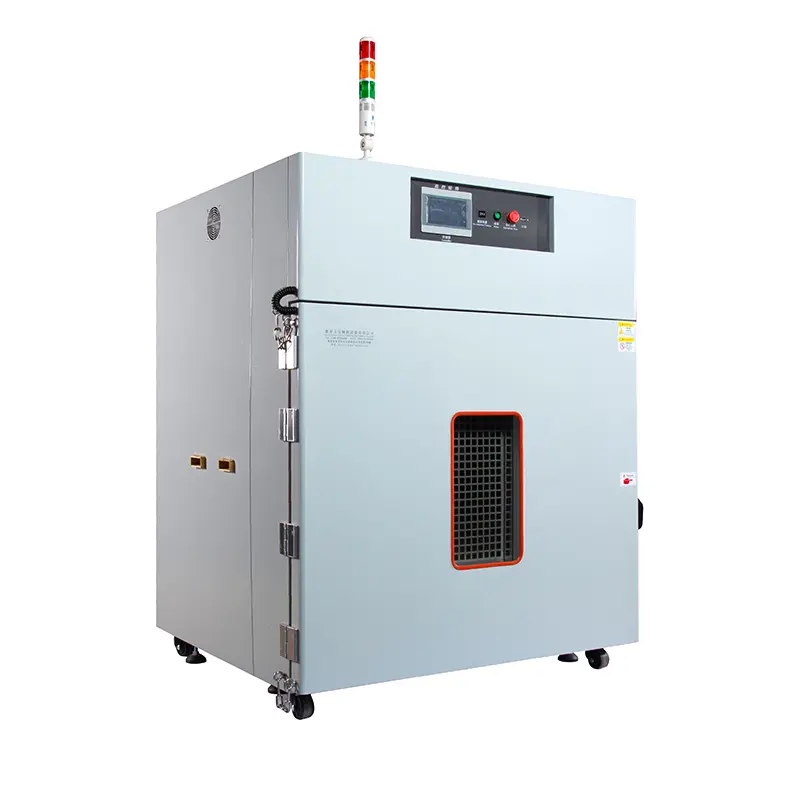
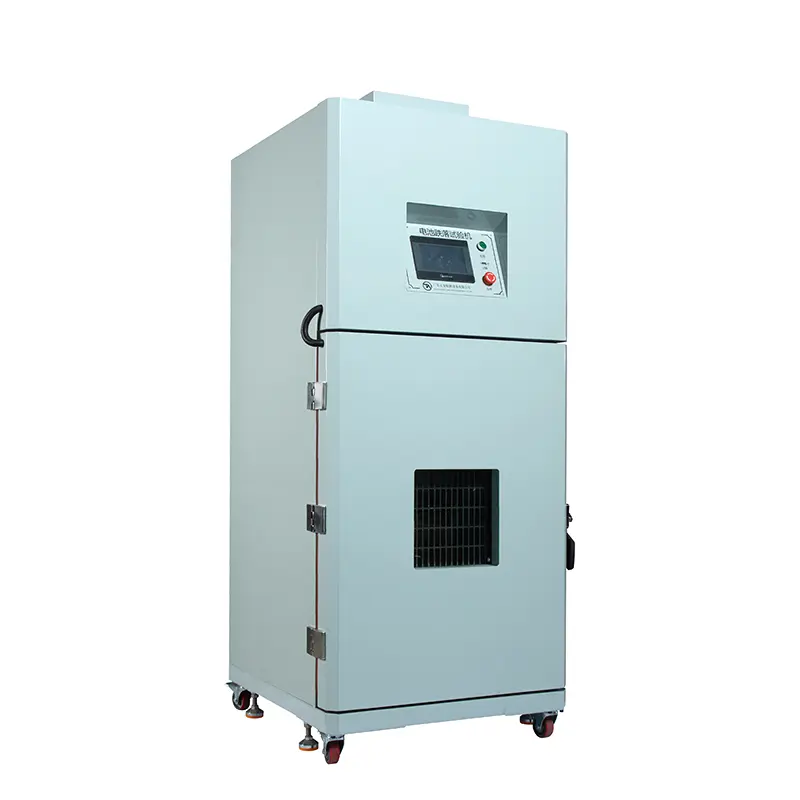
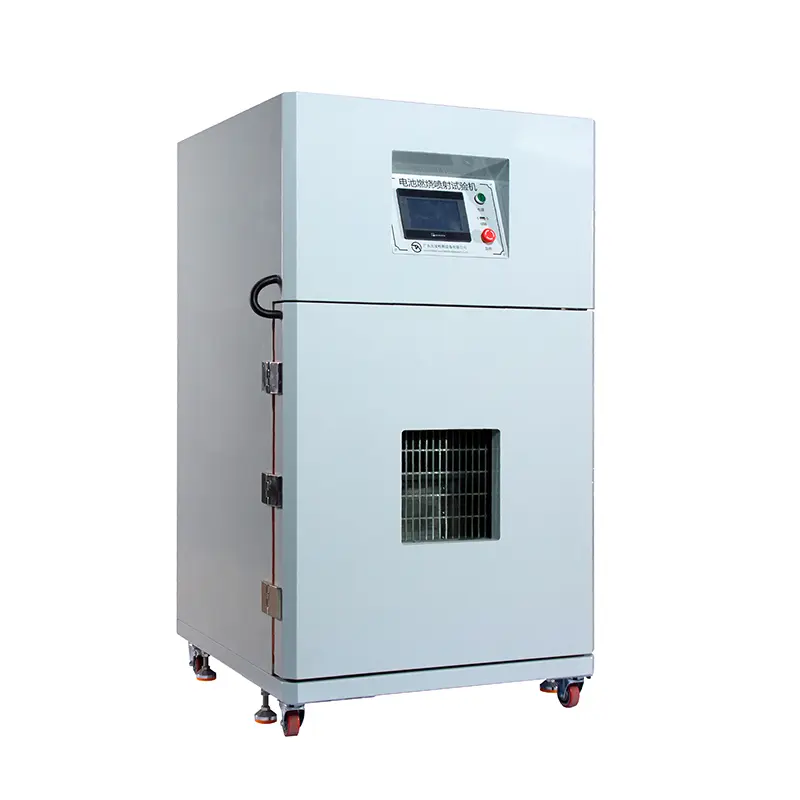
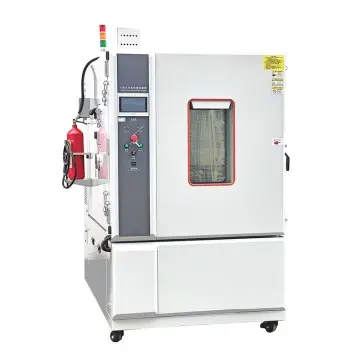
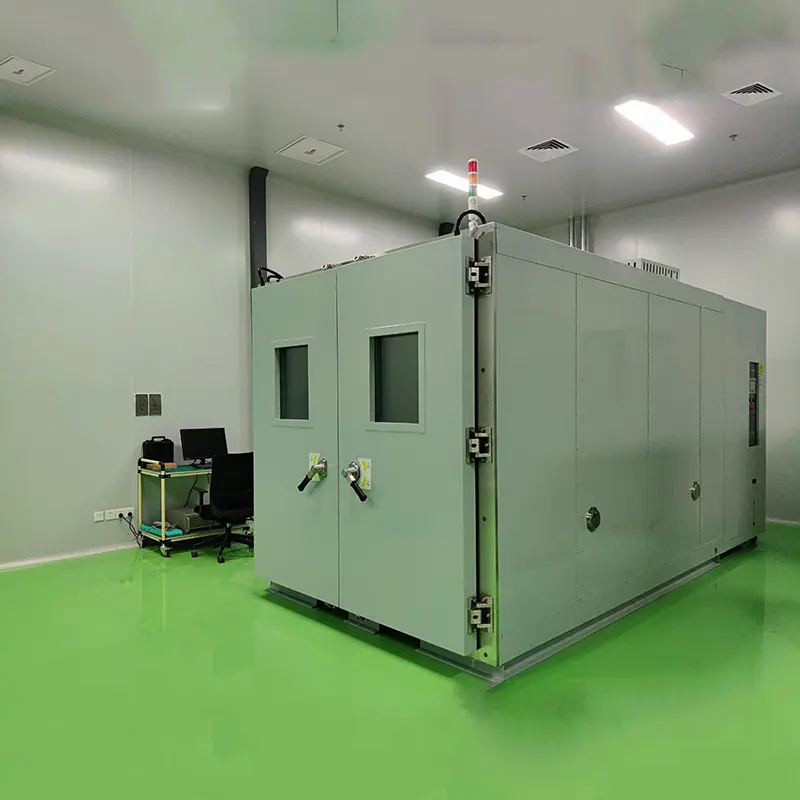
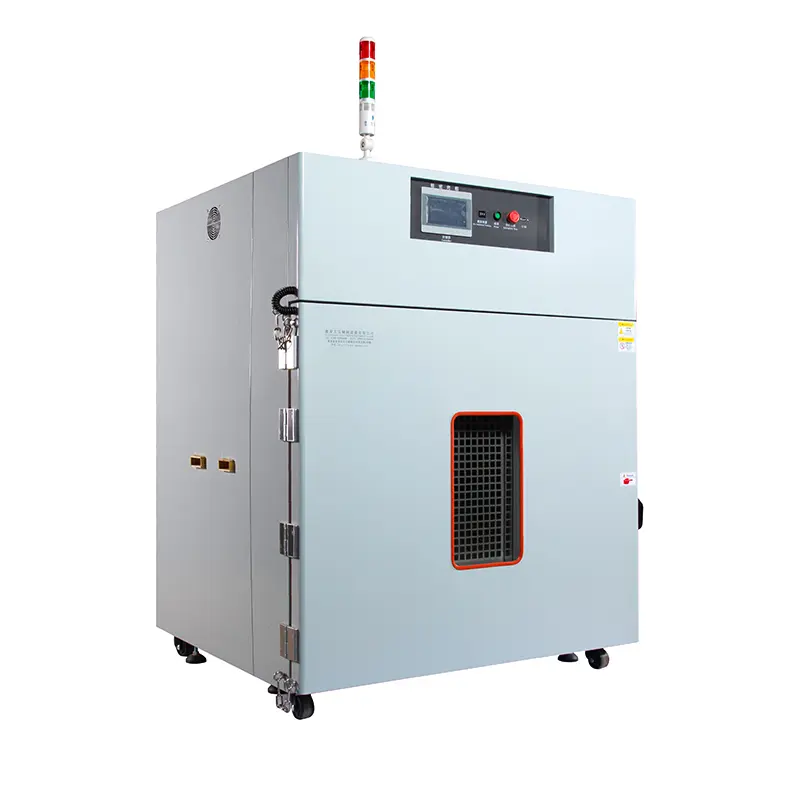
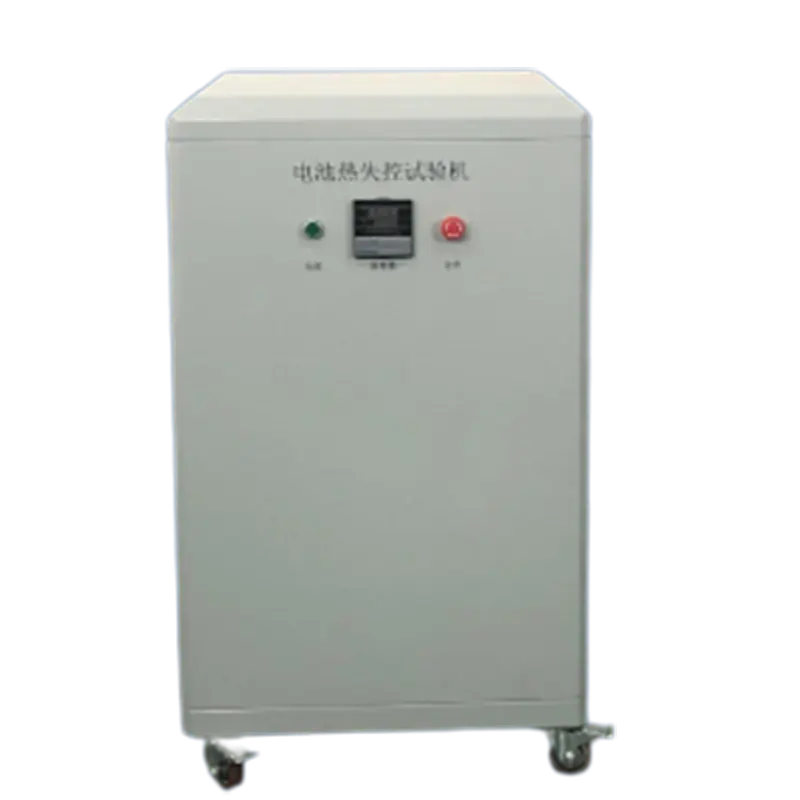
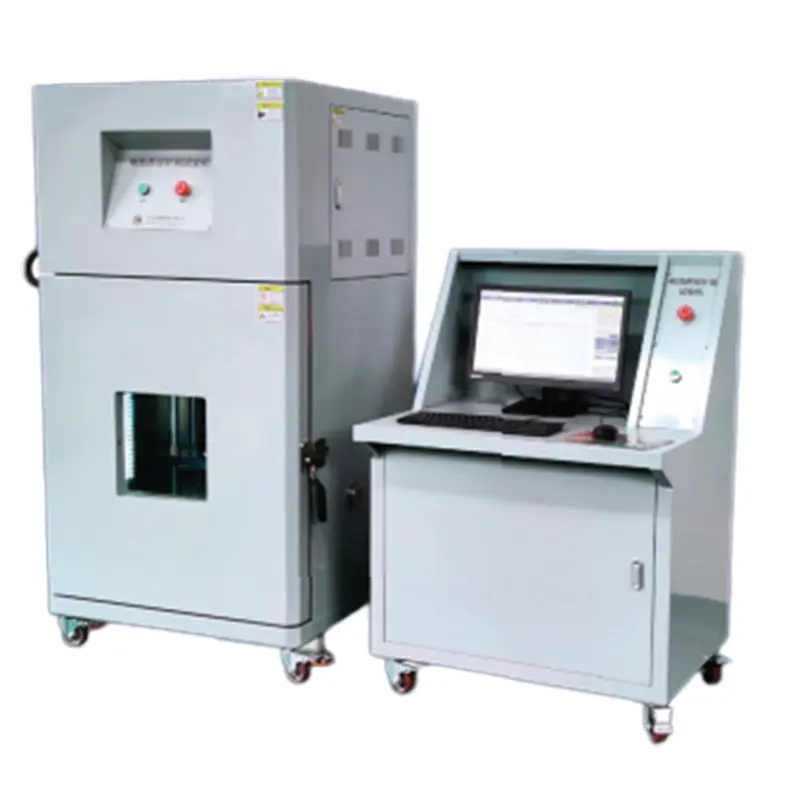
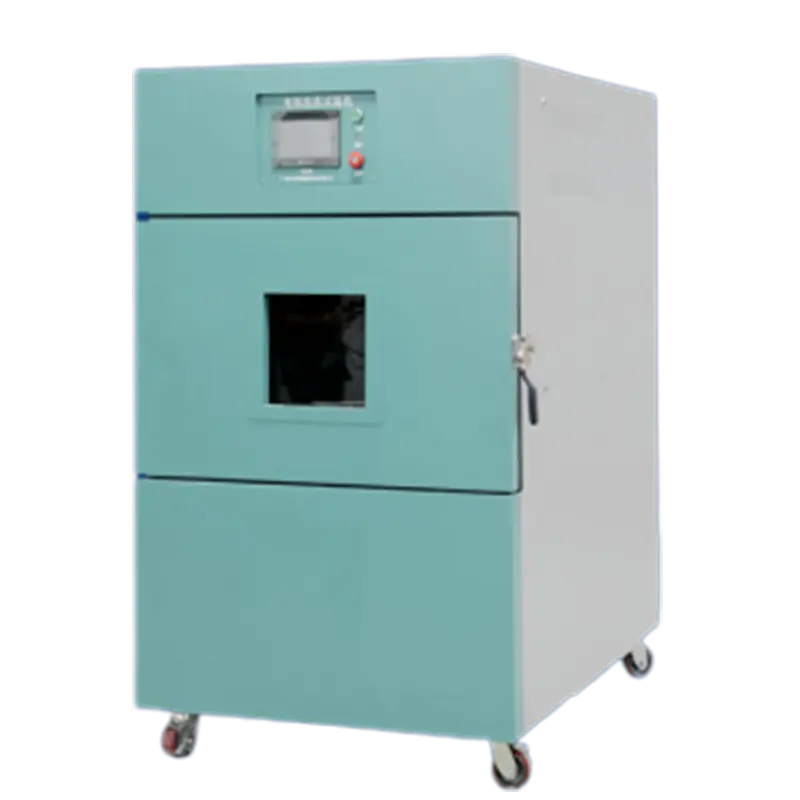
Safety is the bedrock of longevity. Our Thermal Runaway Test Chambers with video temperature acquisition allow engineers to pinpoint the exact moment of failure, providing critical data to improve cell design and extend cycle life. By suppressing potential fire hazards during testing, we ensure a safe R&D environment for next-generation battery development.
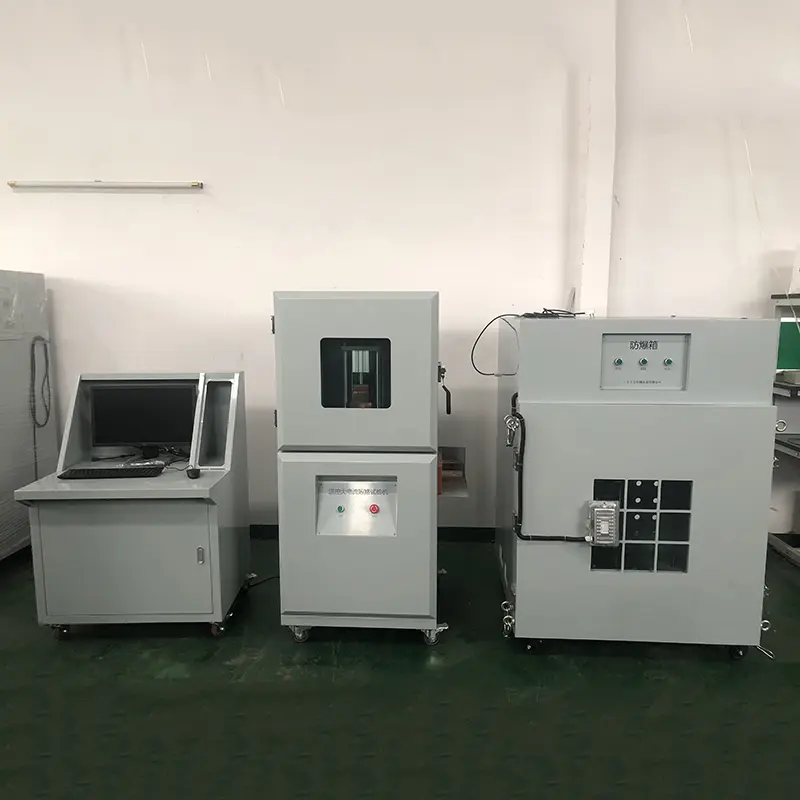
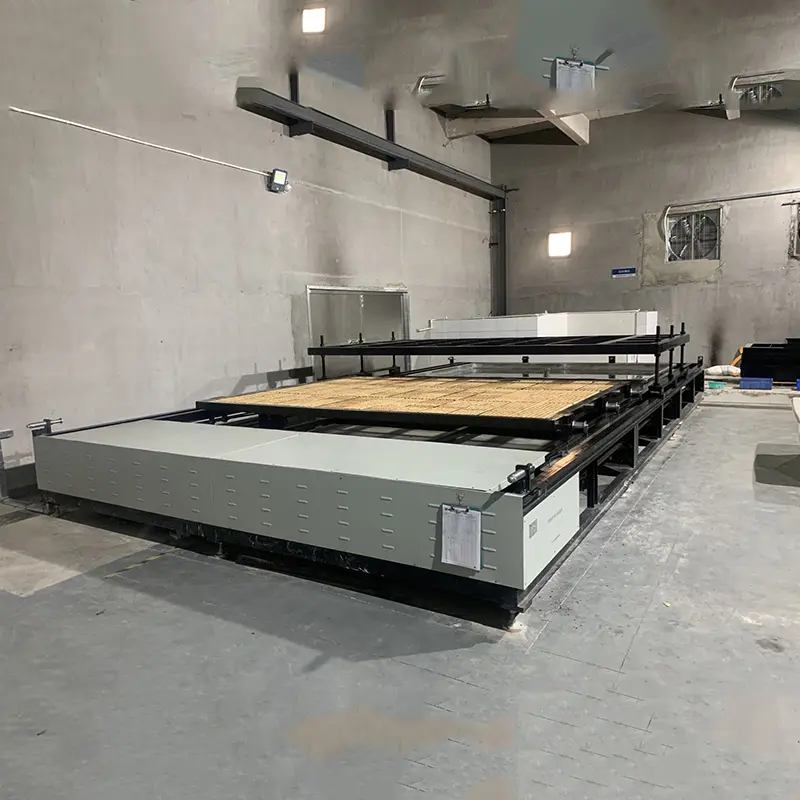
In automotive applications, batteries are subject to constant vibration and potential impacts. Our Squeezing and Needle Penetration machines simulate these harsh physical realities. Ensuring that a battery maintains its internal structure after mechanical stress is vital for maintaining its cycle life over thousands of miles of driving.
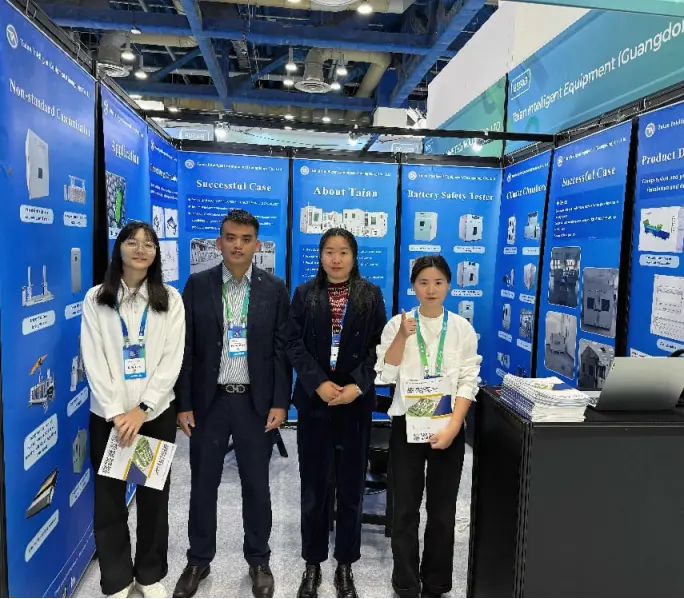
Showcasing high-precision environmental testing solutions for the upcoming green energy transition.
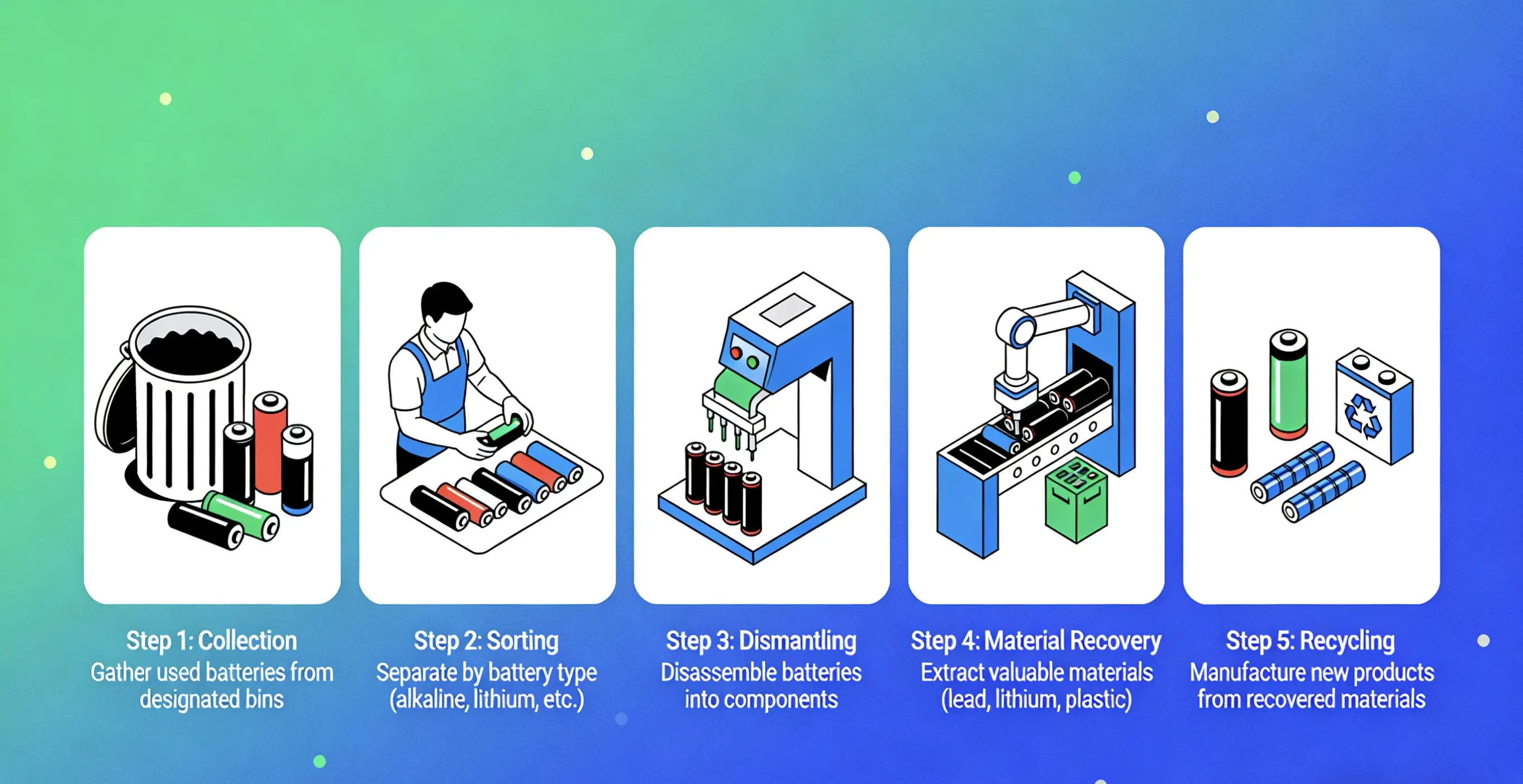
A deep dive into battery recycling processes and how cycle life data impacts reuse value.