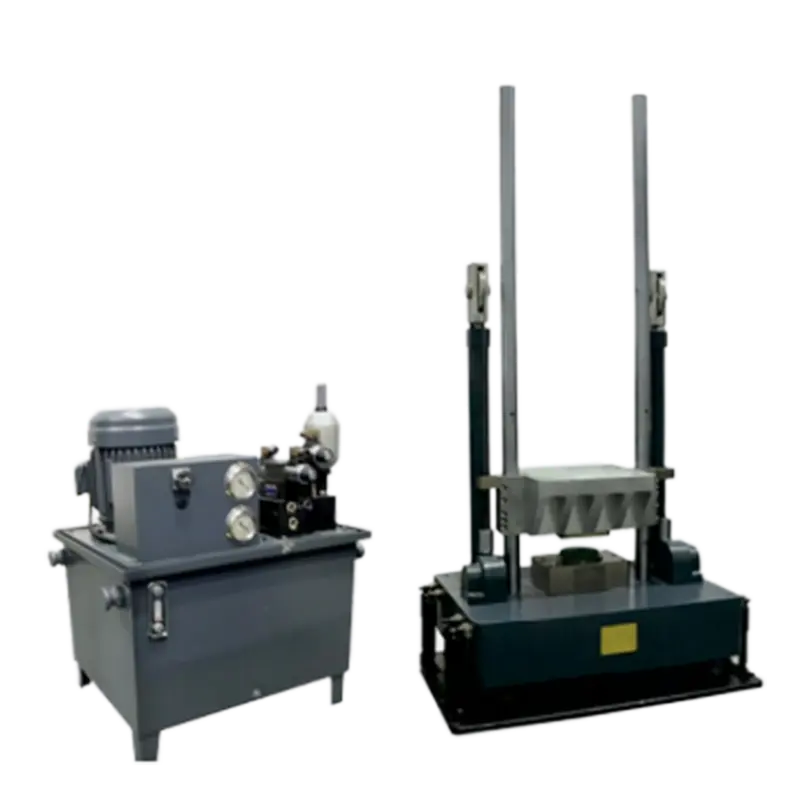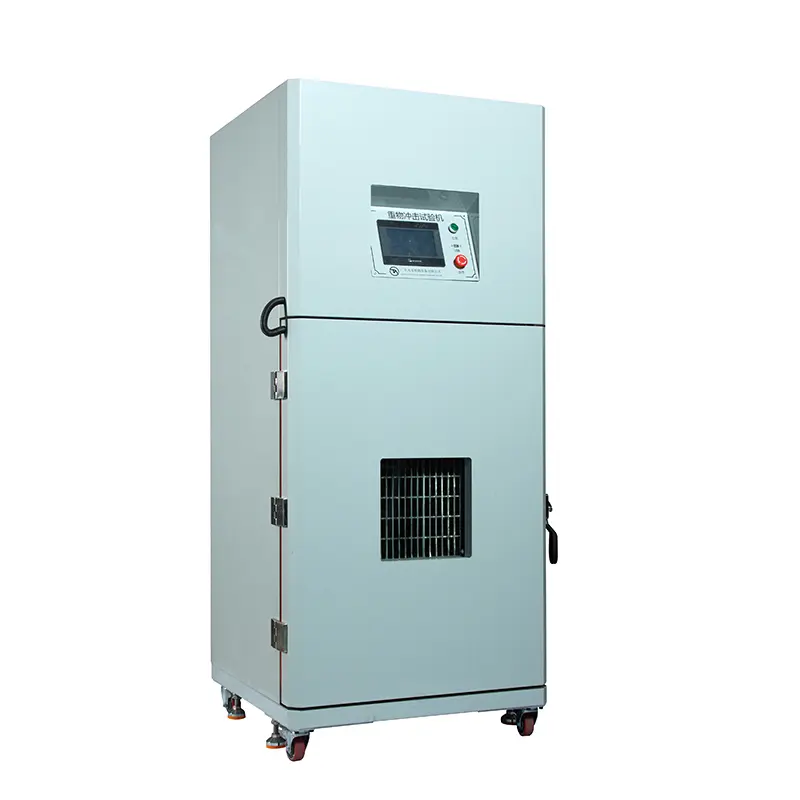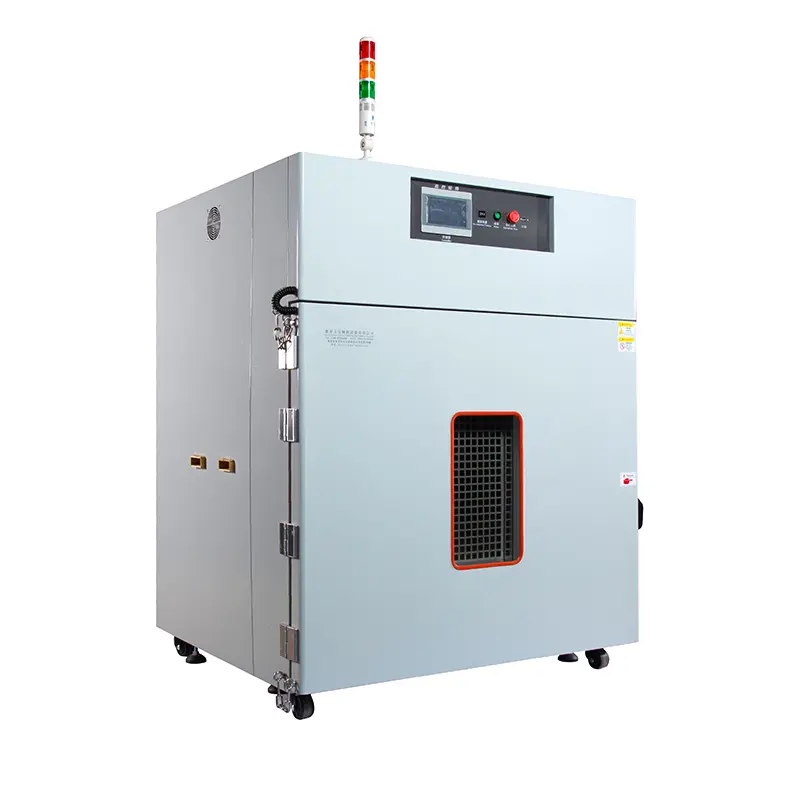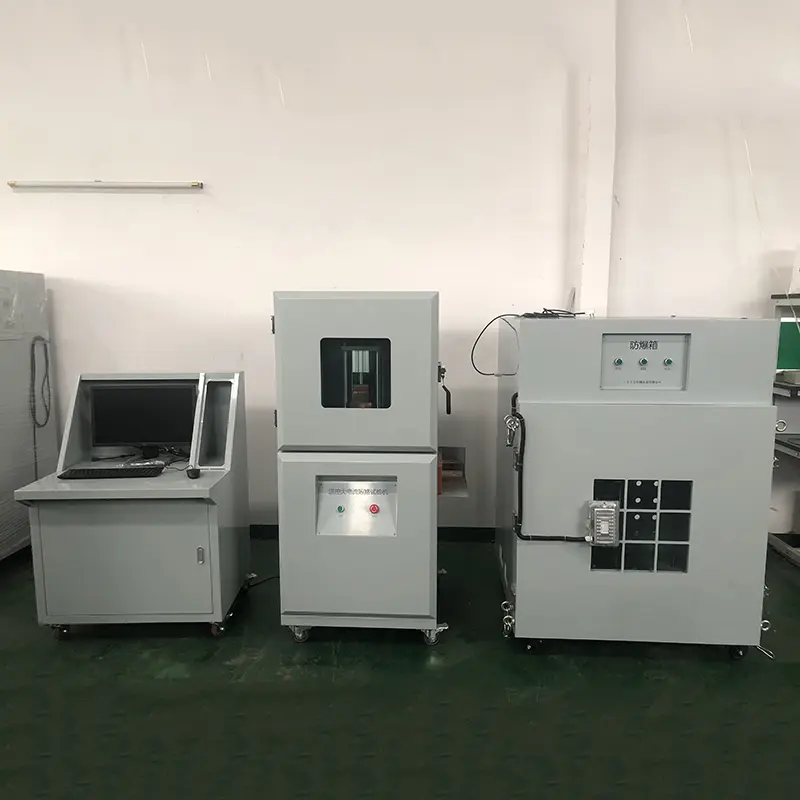
In the current global energy transition, Prismatic Battery cells have emerged as the dominant form factor for high-capacity applications, particularly in Electric Vehicles (EVs) and large-scale Energy Storage Systems (ESS). Unlike cylindrical cells, prismatic batteries offer superior space utilization and thermal management capabilities. However, their larger surface area and rigid casings necessitate rigorous impact testing to ensure structural integrity under mechanical stress.
From the Gigafactories in Europe to the automotive hubs in North America, the demand for a reliable Prismatic Battery Impact Test Device has surged. Industrial safety standards such as UN38.3, UL 2580, and IEC 62619 now mandate precise mechanical shock and impact simulations to prevent catastrophic failures like internal short circuits or thermal runaway during vehicle collisions.
Modern impact test devices are no longer just mechanical weights. Integration with AI allows for real-time deformation analysis and predictive modeling of cell failure points, enhancing R&D efficiency for battery manufacturers.
As solid-state and high-nickel prismatic cells enter the market, testing equipment must handle higher energy discharge during failure, requiring reinforced explosion-proof chambers and advanced filtration systems.
The push for global battery passports and unified safety certifications is driving the adoption of standardized impact testing protocols, ensuring that a battery tested in China meets the safety criteria of the European Union.
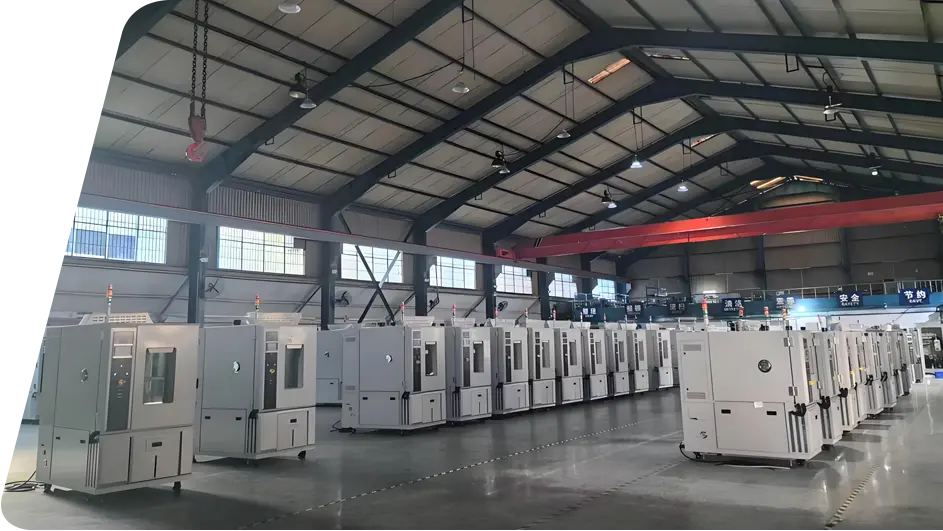
Taian Intelligent Equipment(Guangdong)Co., Ltd., situated in Qiaotou, Dongguan, was founded on March 10, 2017, with registered capital of 12 million RMB. The company is divided into two major types of products: environmental test equipment and safety test equipment. After years of development and accumulation, we’ve become a leading national high-tech enterprise industry in China, and it is a national high-tech enterprise integrating research and development, production, sales and service.
For Tier 1 automotive suppliers and battery OEMs, procurement is not just about a machine; it is about compliance, repeatability, and safety. Global enterprises seek impact test devices that offer:
In Norway, testing focuses on cold-weather impact resilience. In Arizona, the priority shifts to thermal stability during high-ambient-temperature impacts. Our devices are engineered to handle these environmental variables, providing consistent results regardless of the geographical location.
From Dongguan to the world, providing onsite calibration and technical support.
Located in Dongguan, the "World's Factory," we have direct access to high-grade components and materials, allowing us to offer top-tier technology at competitive prices.
Unlike standard off-the-shelf equipment, we can customize chamber sizes, impact weights, and software interfaces to meet specific corporate or national lab requirements.
With 12 million RMB in registered capital and a dedicated engineering team, we release technical updates every quarter, staying ahead of evolving safety standards.
Latest Insights into Battery Safety & Industry Standards
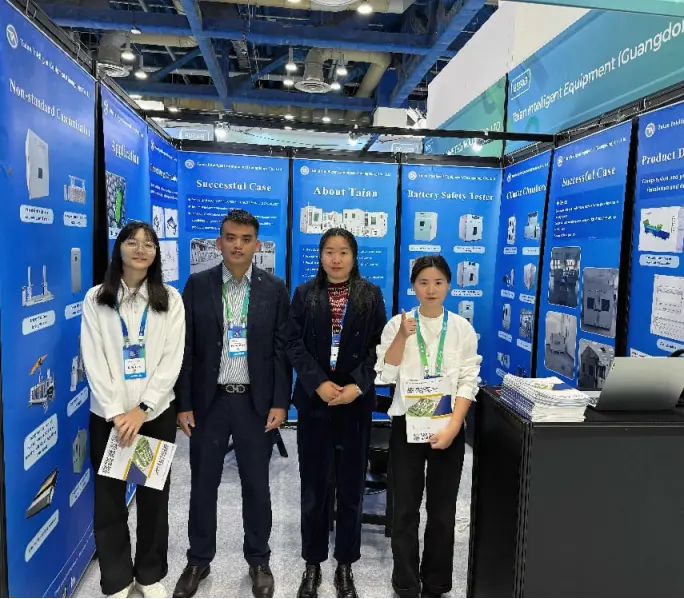
Taiantest has recently officially announced its significant appearance at the Korea show, showcasing high-precision battery environmental testing solutions...
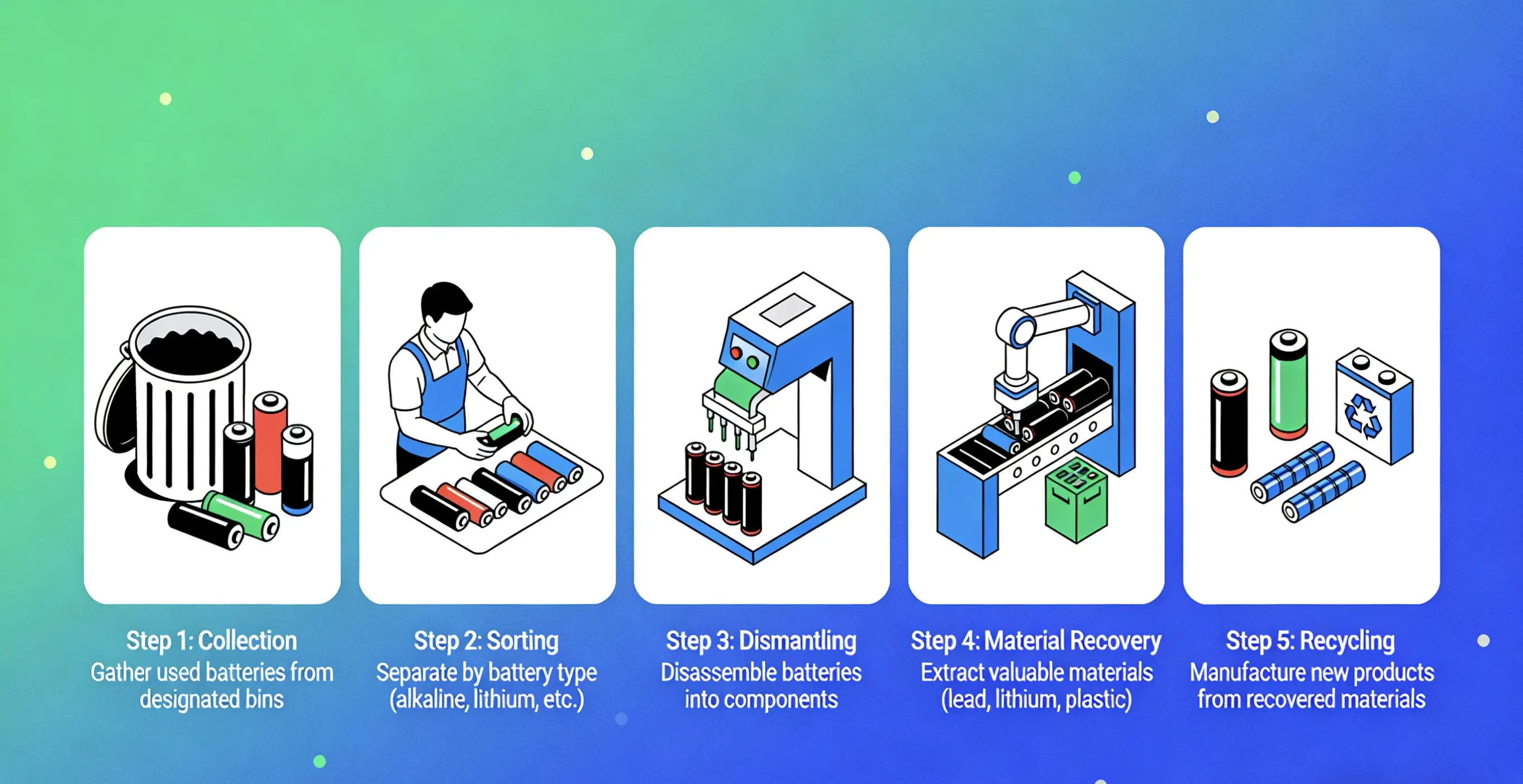
The global shift toward electrification is a reality. Exploring how impact testing ensures recycled cells meet safety standards...
The structural design of prismatic batteries makes them inherently different from cylindrical counterparts like the 21700 or 4680 cells. Prismatic cells are often packed tightly in modules where a single mechanical impact can lead to a "domino effect" of thermal runaway across the entire battery pack. This is why a High-Quality Prismatic Battery Impact Test Device is critical for automotive safety engineering.
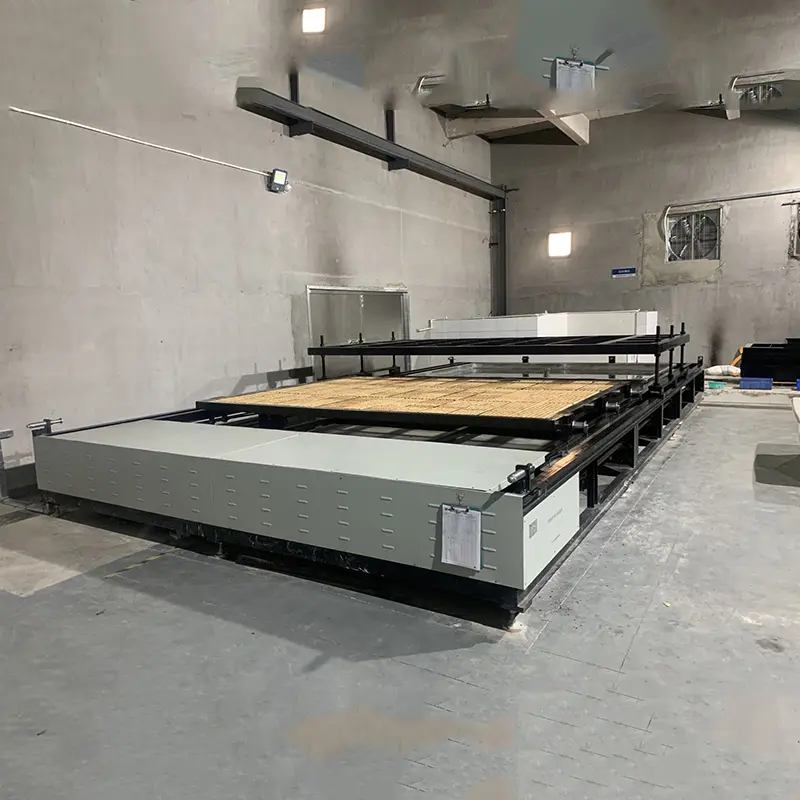
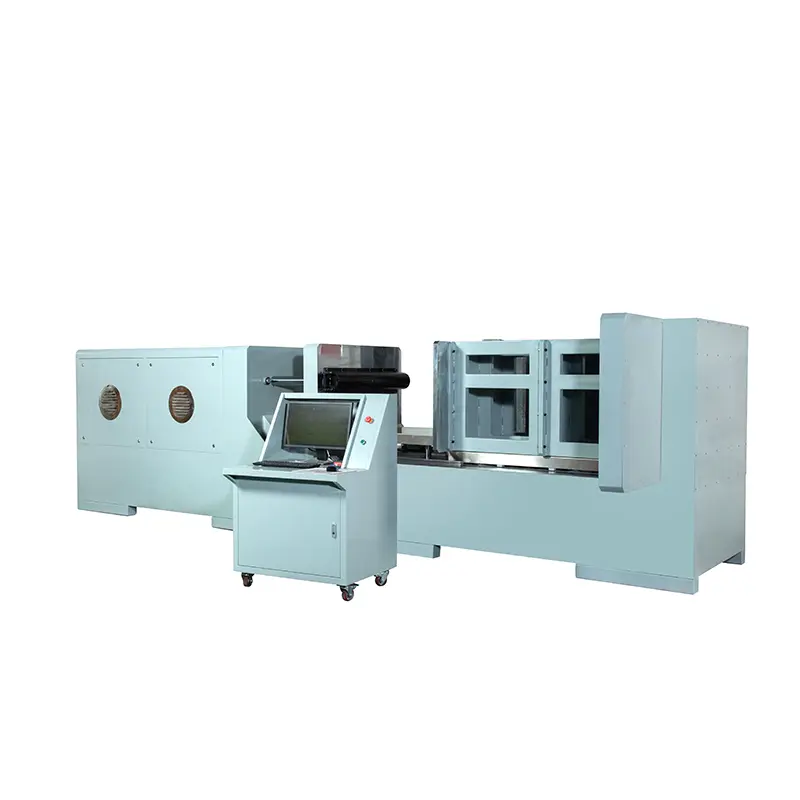
While often confused, mechanical shock tests simulate the sudden deceleration of a crash, whereas impact testing focuses on a specific object striking the battery. Our Heavy Impact Testing Machines are designed to simulate scenarios where road debris strikes the bottom of a vehicle's battery tray. The digital height setting allows engineers to calculate the exact kinetic energy (Joules) required to cause a breach in the cell casing.
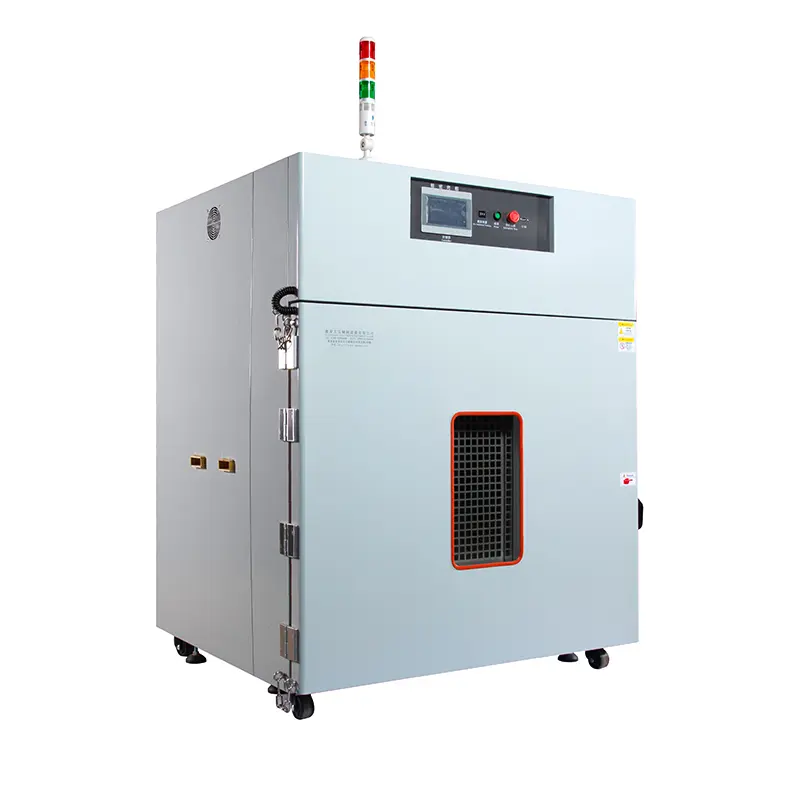
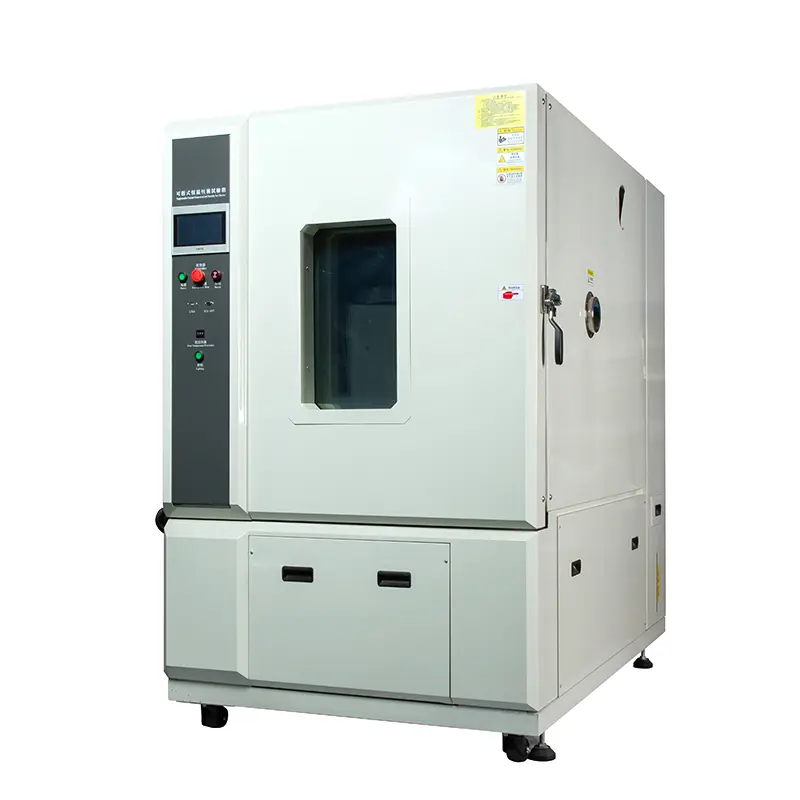
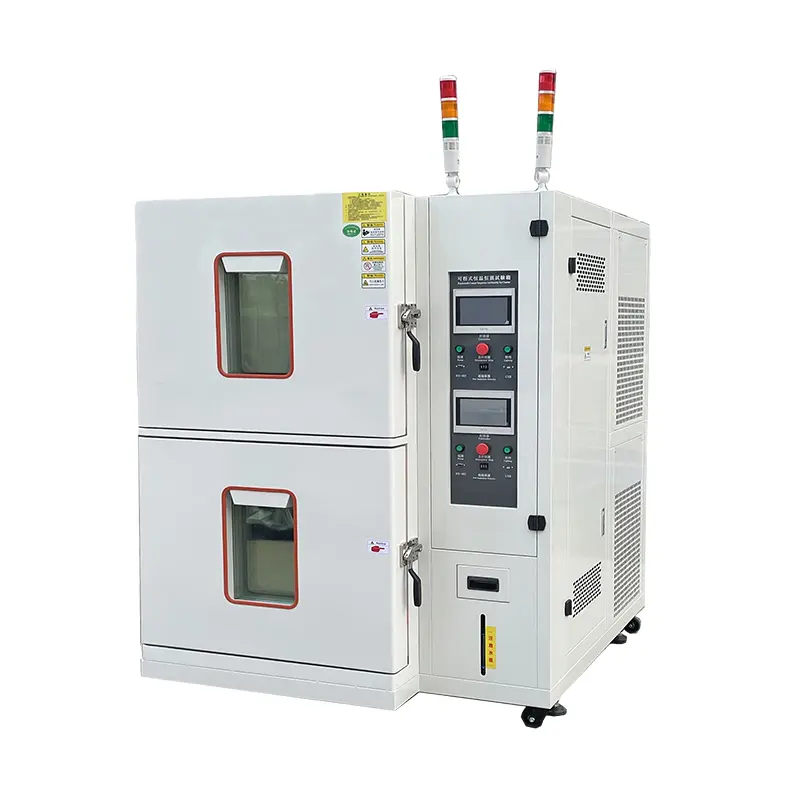
Lithium-ion chemistry is highly sensitive to temperature. An impact at -20°C may lead to brittle fracture of the casing, while an impact at 55°C could trigger immediate thermal runaway due to existing internal pressure. Our Battery temperature control short circuit test chambers integrate impact mechanisms within a controlled climatic environment, allowing for "worst-case scenario" testing that meets the stringent requirements of EV manufacturers like Tesla, NIO, and Volkswagen.
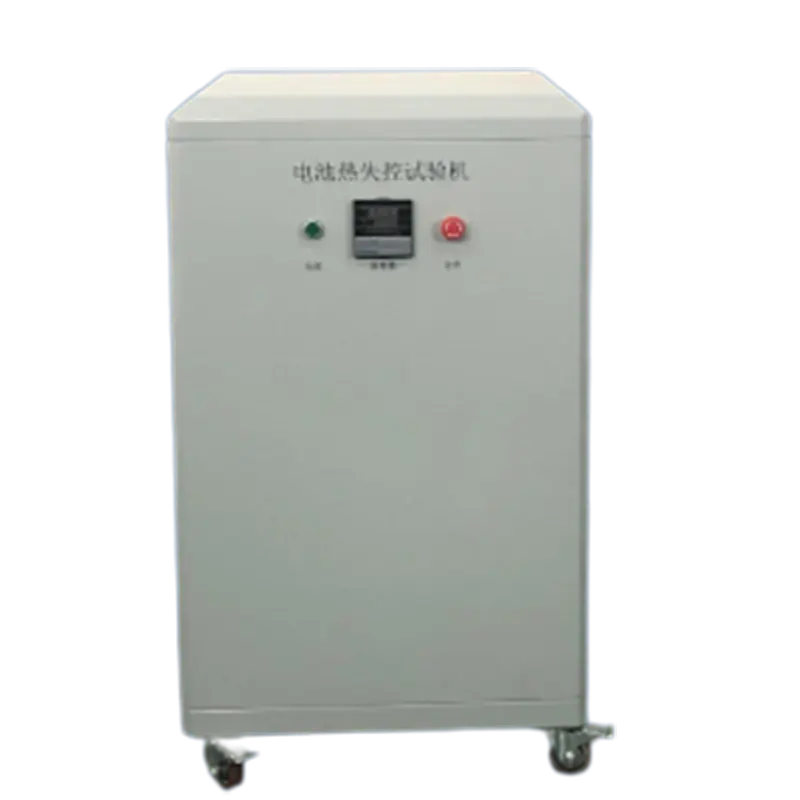
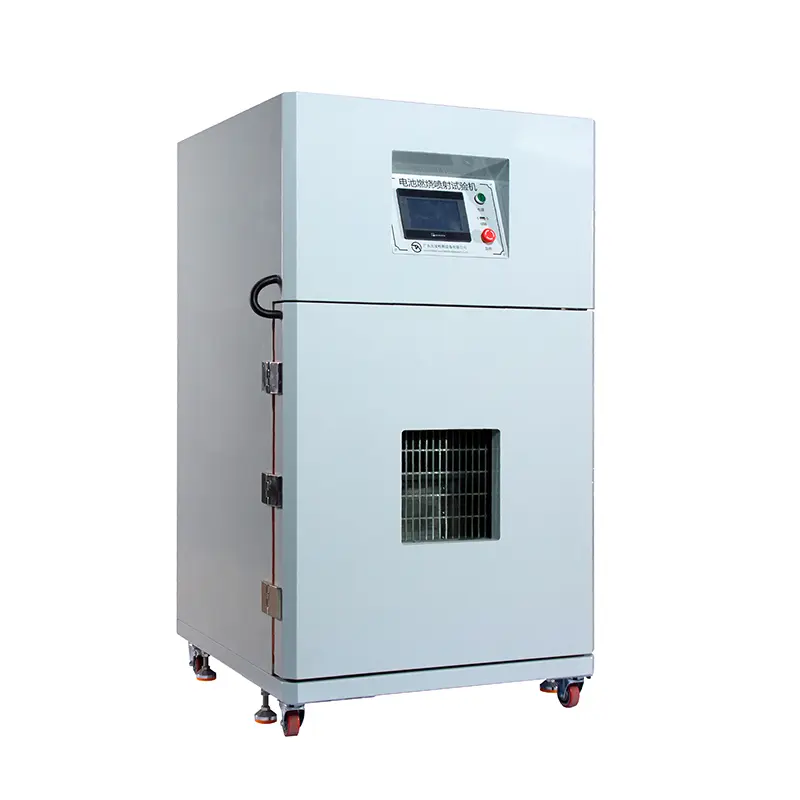
When a prismatic battery fails during an impact test, the data collected in the first 500 milliseconds is vital. Tai'an's Thermal Runaway Testing Machines feature high-speed video temperature acquisition. This allows researchers to see exactly where the heat initiates—whether it's at the tab connection or through the separator—enabling better cell design in future iterations.
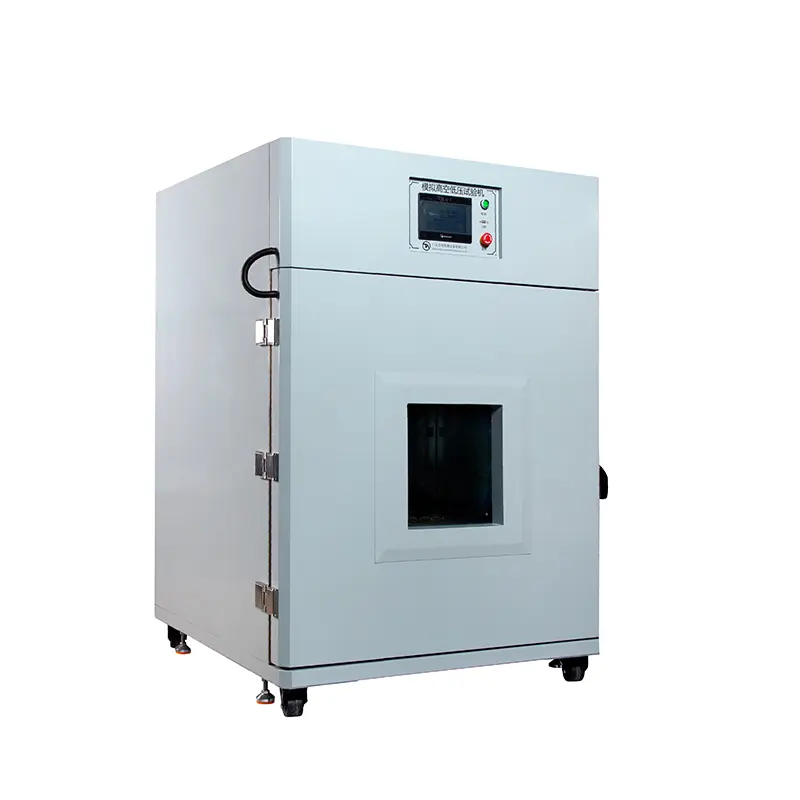
As a leading Chinese factory, Tai'an Intelligent Equipment supports the global supply chain by providing cost-effective yet high-precision instruments. From CE-certified thermal runaway chambers to high-altitude low-pressure simulators, our equipment ensures that prismatic batteries produced in any corner of the world are safe for consumer use. We understand the localized needs of different markets, from the rigid standards of the European Battery Regulation to the fast-paced innovation cycles of the Asian market.