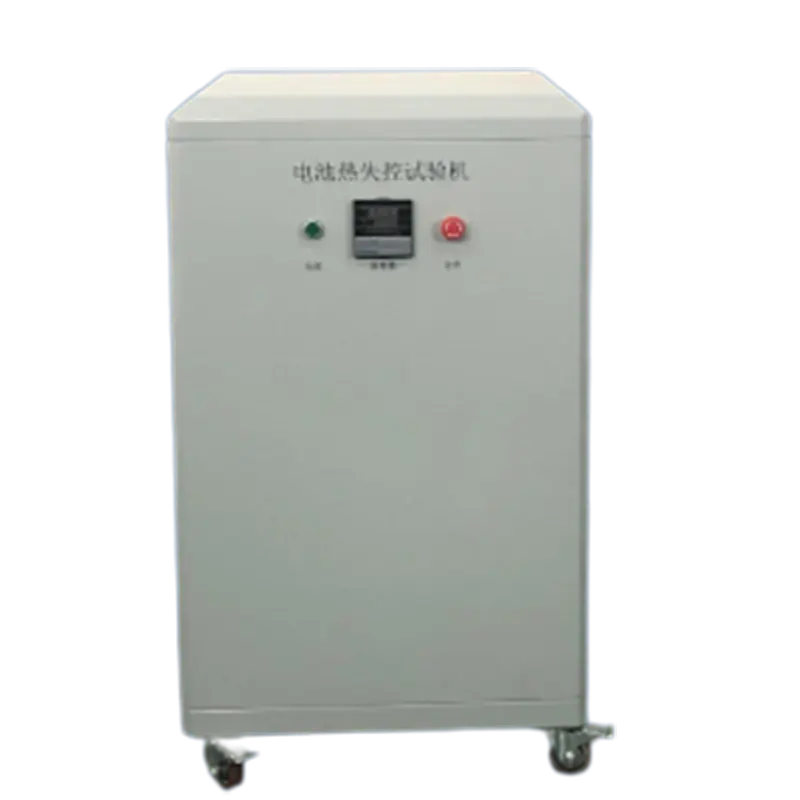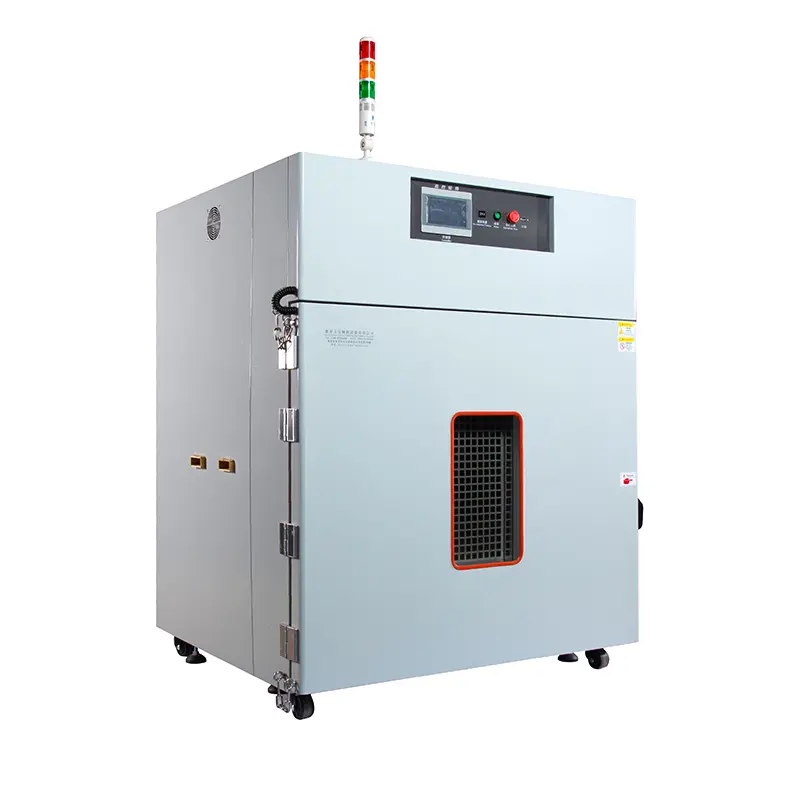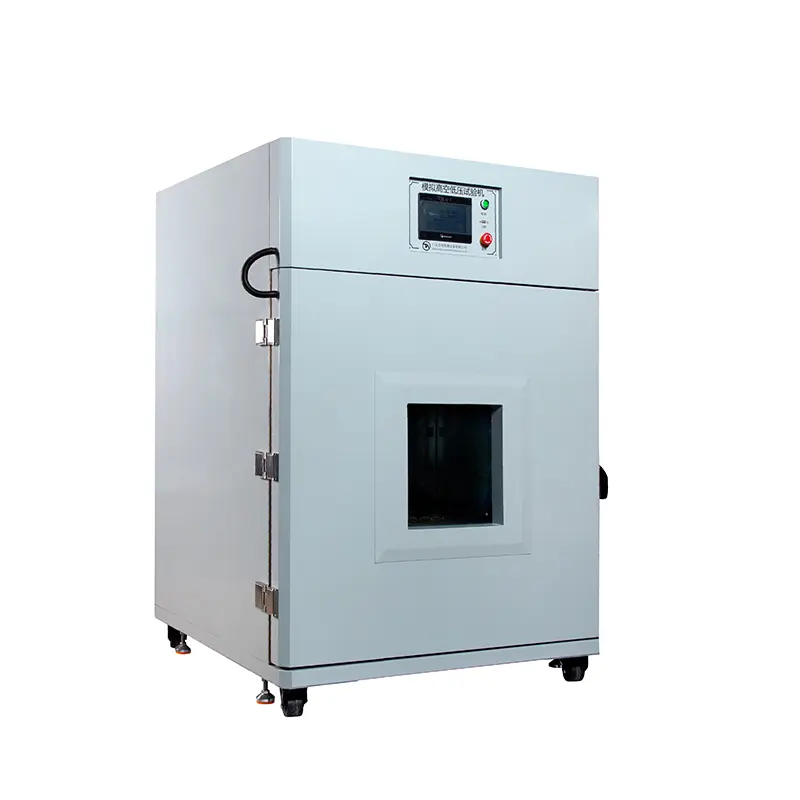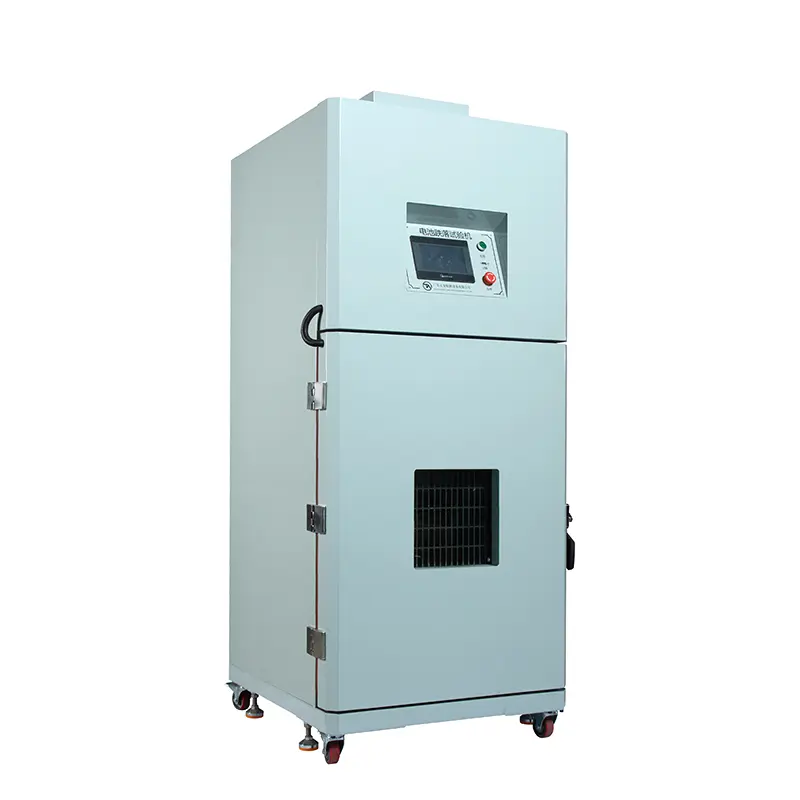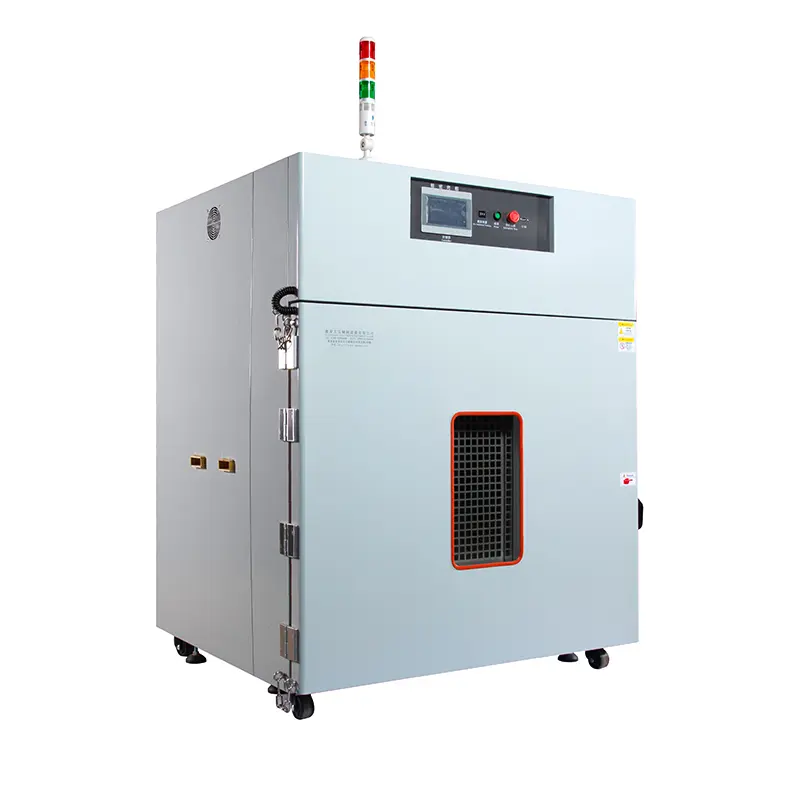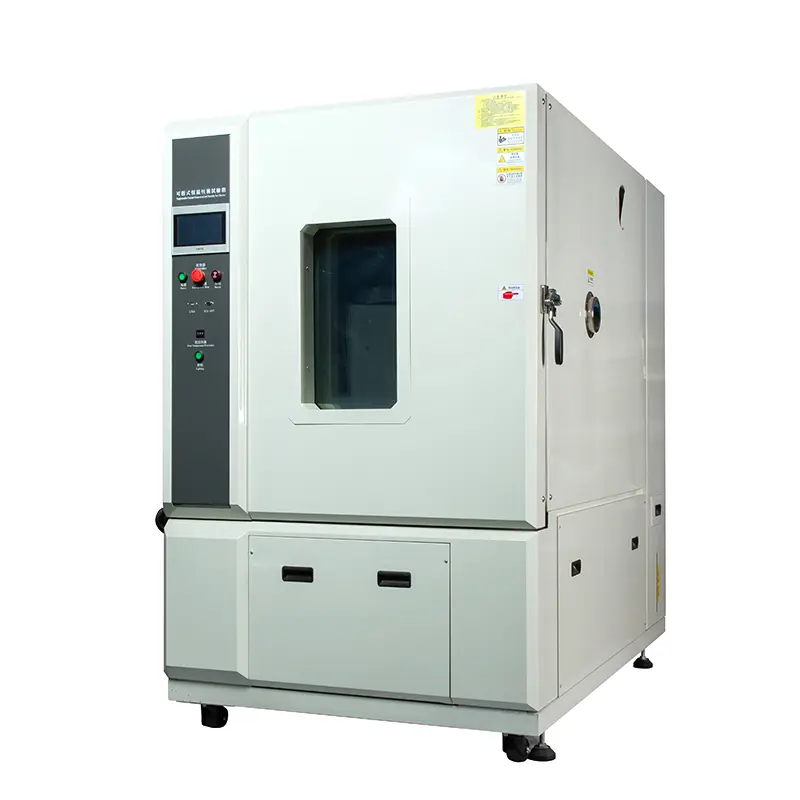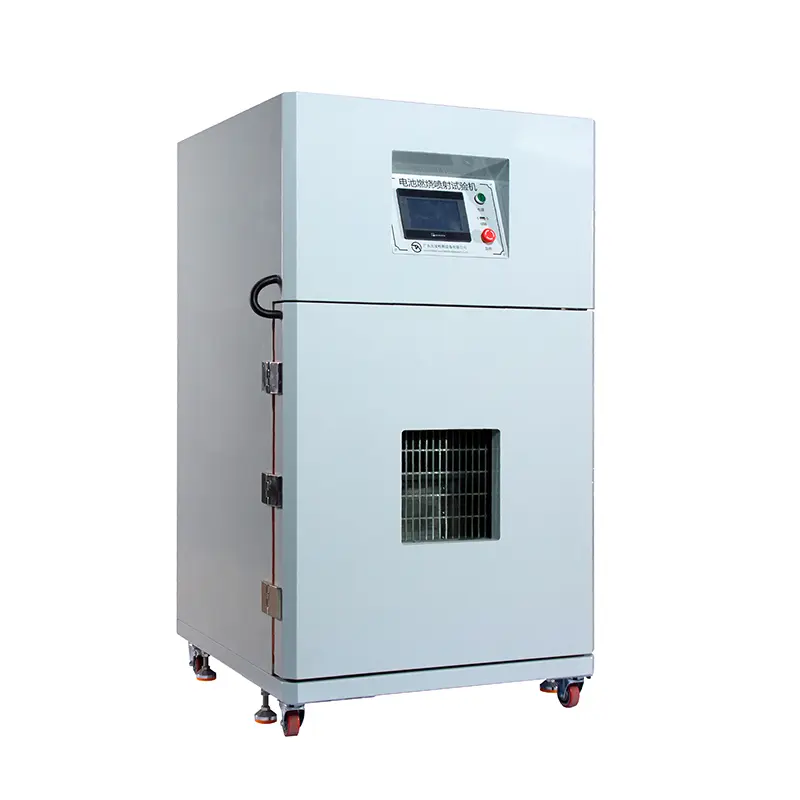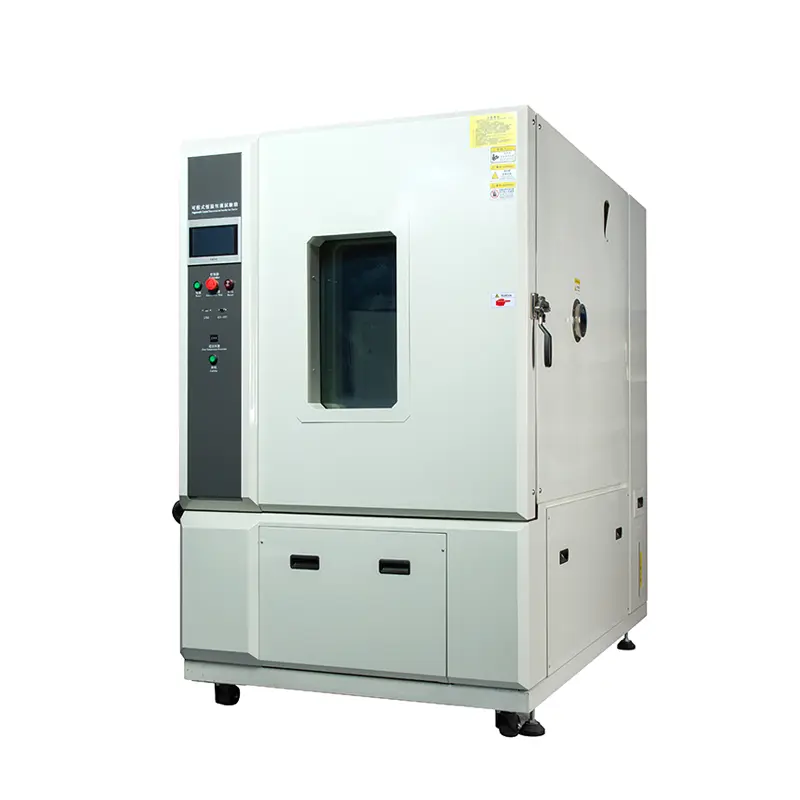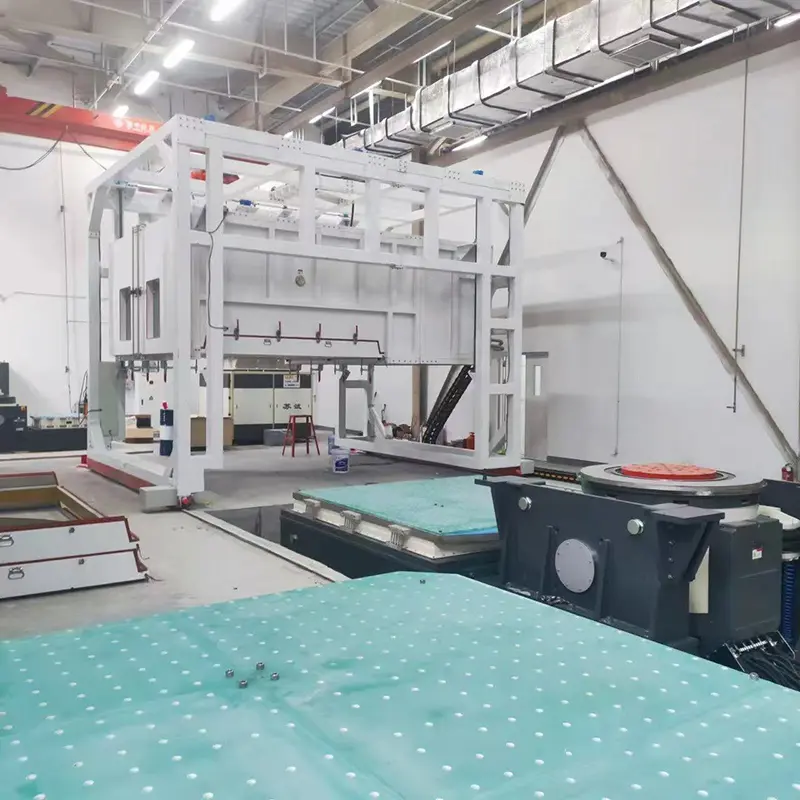
What is thermal runaway in batteries? In the simplest terms, it is a chain reaction within a battery cell that causes its temperature to rise rapidly, often leading to fire, explosion, or the release of toxic gases. This phenomenon is a critical concern for engineers, manufacturers, and end-users alike, particularly in the era of high-energy-density Lithium-ion batteries used in electric vehicles (EVs) and energy storage systems (ESS).
The process typically begins when an internal or external trigger—such as a mechanical puncture, electrical overcharge, or exposure to extreme heat—causes the solid electrolyte interphase (SEI) layer inside the battery to decompose. Once this layer fails, the flammable electrolyte reacts with the cathode and anode, generating more heat. This "positive feedback loop" accelerates until the battery can no longer dissipate the heat as quickly as it is generated, resulting in a violent energy release.
Ambient heat or localized overheating can ignite the chemical reaction within the cells.
Crushing, piercing (nail penetration), or impact can cause internal short circuits.
Overcharging, over-discharging, or external short circuits lead to rapid voltage instability.
The global market for battery testing and thermal runaway prevention is experiencing unprecedented growth. As the world transitions toward green energy, the demand for lithium batteries has shifted from small consumer electronics to massive applications like utility-scale energy storage and long-range electric vehicles. According to industrial reports, the battery safety testing market is projected to grow at a CAGR of over 12% through 2030.
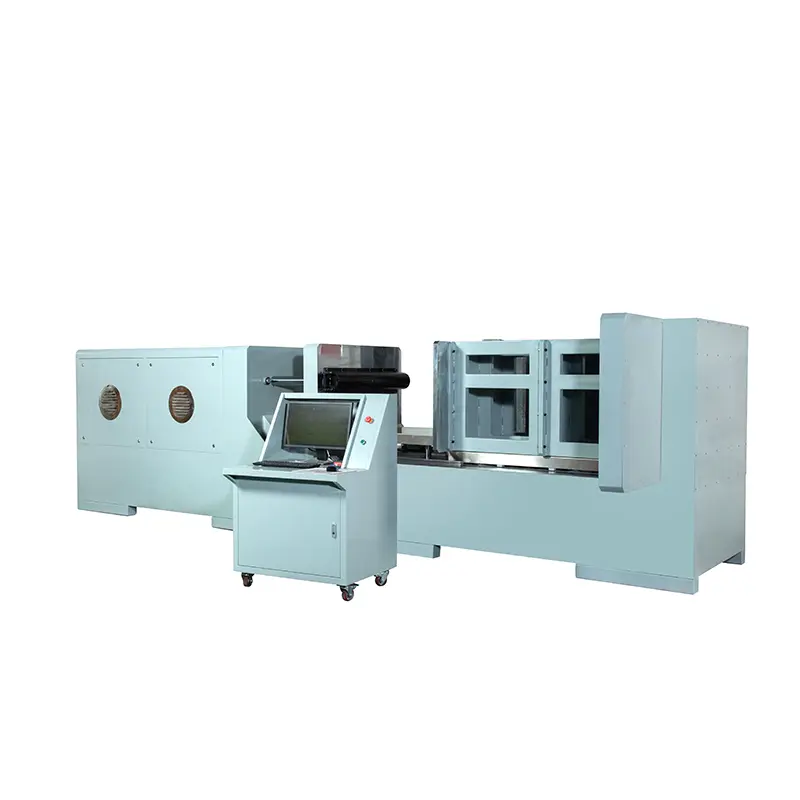
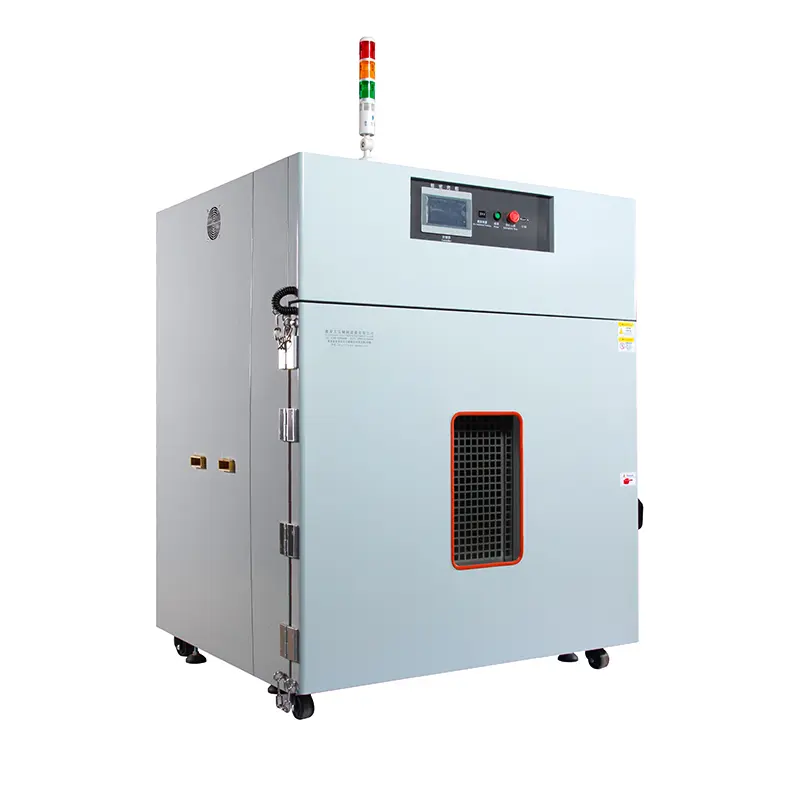
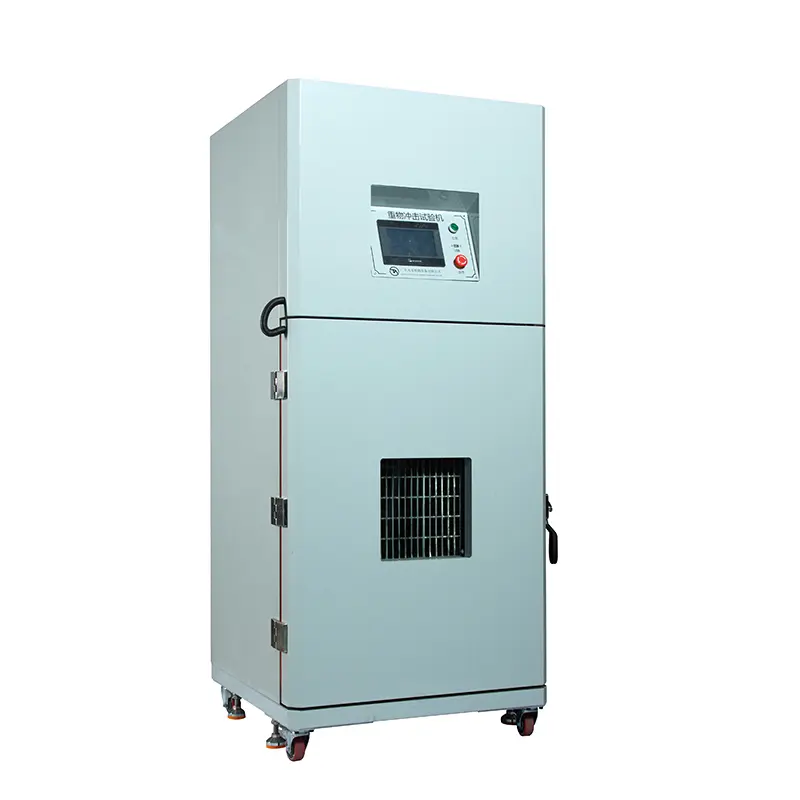
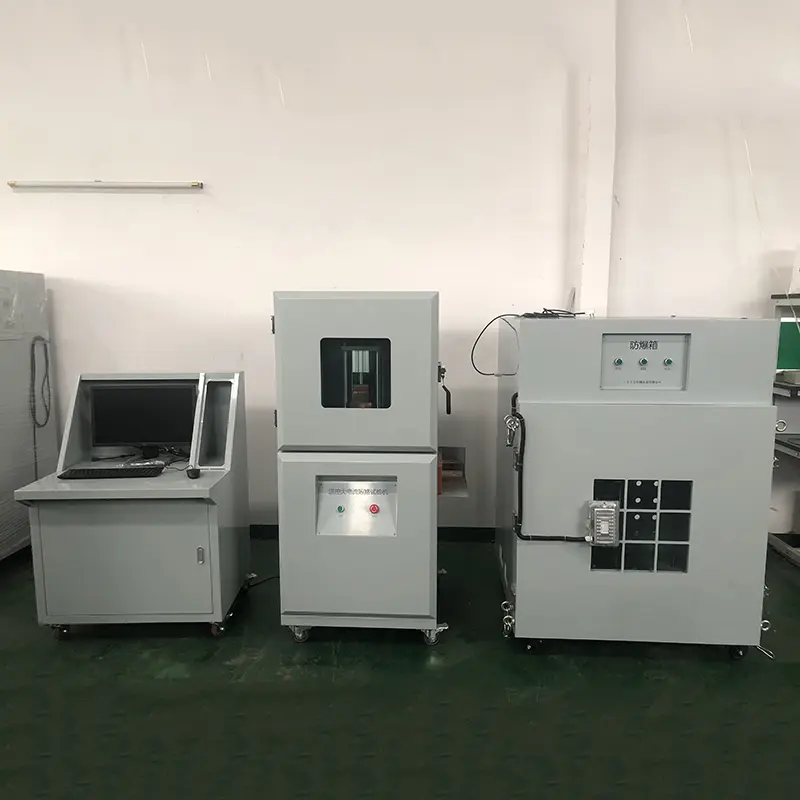
Major automotive OEMs in Europe and North America are now mandating "Thermal Propagation" tests (such as UL 2580 and IEC 62660) to ensure that if one cell undergoes thermal runaway, the fire does not spread to adjacent cells. This has created a massive demand for sophisticated testing chambers that can simulate these hazardous conditions safely and provide high-speed data acquisition for temperature and video surveillance.
Decades of Trusted Brand
State-of-the-art R&D Facility
Diverse Portfolio
Global Clientle Nations
Capital Investment (RMB)
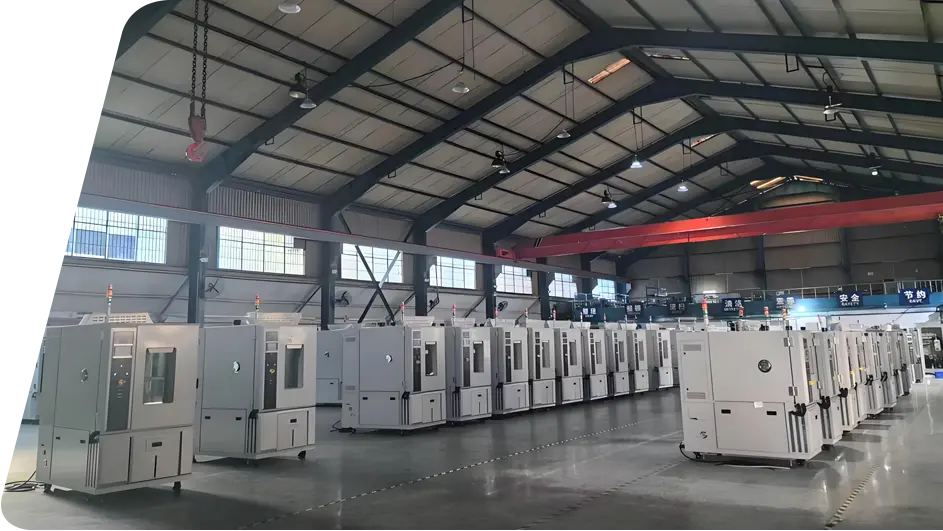
Taian Intelligent Equipment (Guangdong) Co., Ltd., situated in Qiaotou, Dongguan, was founded on March 10, 2017. The company is divided into two major types of products: environmental test equipment and safety test equipment. After years of development and accumulation, we’ve become a leading national high-tech enterprise industry in China, and it is a national high-tech enterprise integrating research and development, production, sales and service.
We are committed to the research and development of testing equipment technology products. With years of industry experience and a senior team, we continuously improve and innovate our products to comprehensively solve problems such as slow efficiency, large errors, and safety hazards in traditional manual testing.
Modern procurement needs are shifting towards equipment with AI-driven predictive analysis. Labs now require real-time monitoring to detect thermal anomalies before runaway occurs.
With standards like UL 9540A for ESS and UN 38.3 for transport, global buyers prioritize suppliers whose factories are CE certified and ISO compliant.
The trend is moving from cell testing to full battery pack testing. This requires larger walk-in chambers and more robust explosion-proof venting systems.
International buyers—ranging from Tesla-tier battery suppliers to regional energy storage integrators—are looking for "Total Solutions." They don't just need a machine; they need a partner who understands the localized application scenarios. For instance, in the humid climates of Southeast Asia, battery testers must account for corrosion, while in the Nordic regions, low-temperature adaptability is paramount.
As a premier Chinese manufacturer located in the heart of the global electronics hub (Dongguan), Taian Intelligent Equipment offers several unique advantages to our global partners:
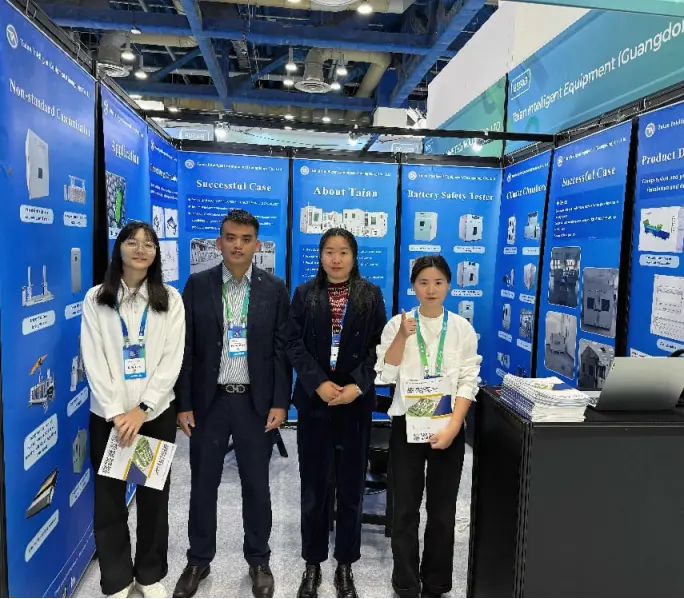
Taiantest will present its high-precision battery environmental testing solutions...
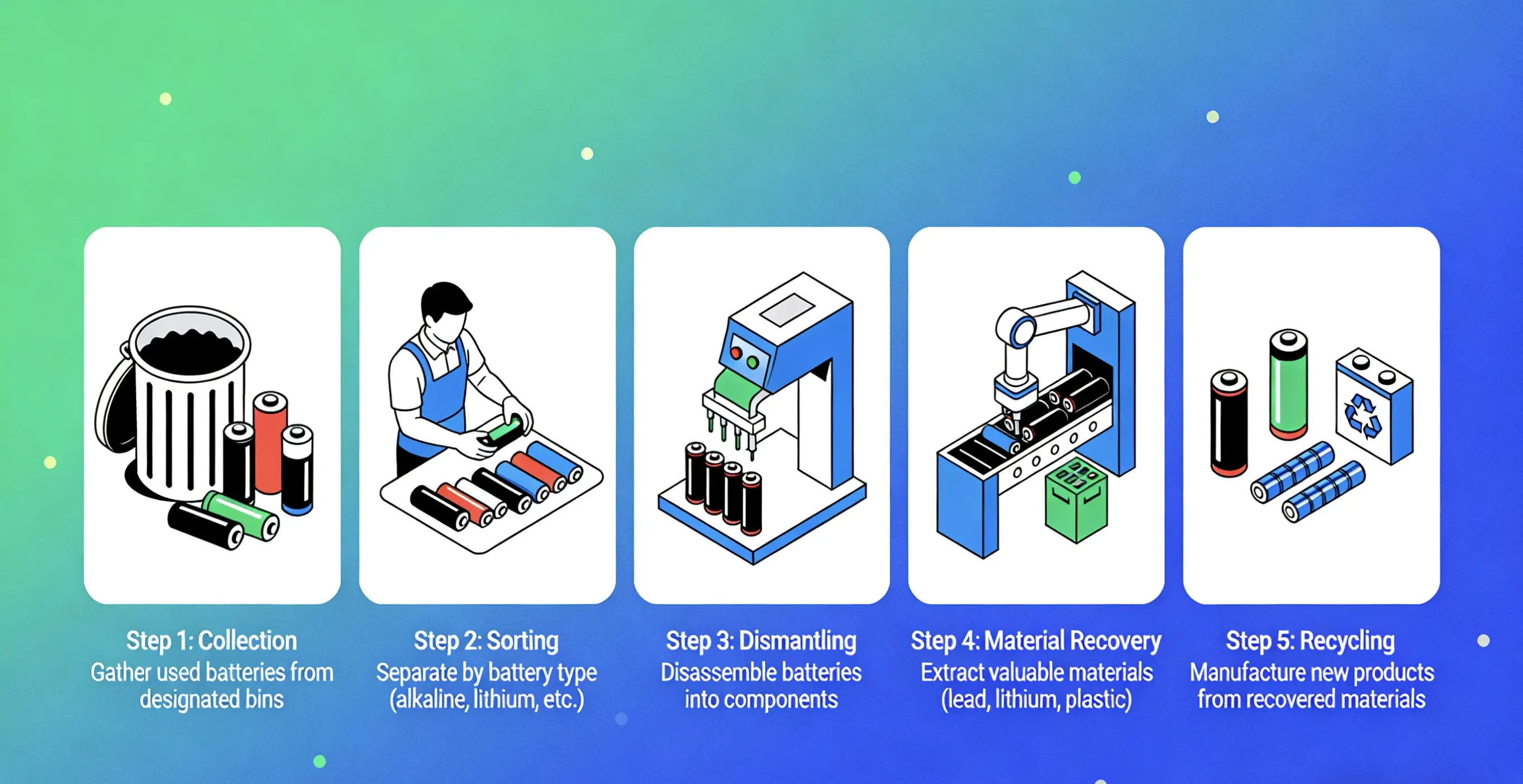
The global shift toward electrification is creating new safety challenges in recycling...