
Engineered to simulate the challenging high-altitude microclimates and environmental pressures of the Himalayan region, these high-reliability chambers ensure strict compliance with international standards.
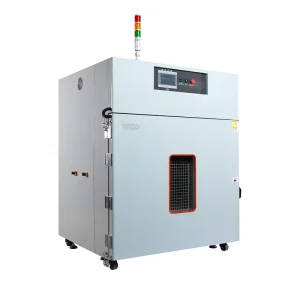
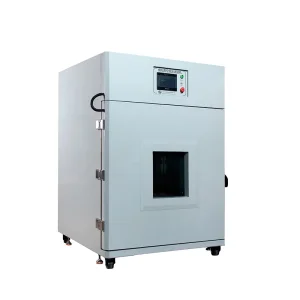
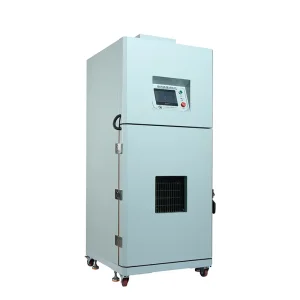
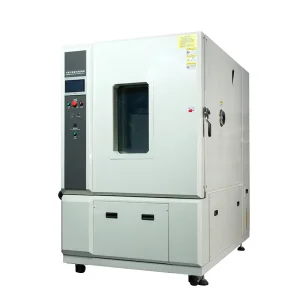
Taian Intelligent Equipment (Guangdong) Co., Ltd., situated in Qiaotou, Dongguan, was founded on March 10, 2017, with a registered capital of 12 million RMB. The company is strategically divided into two major pillars of specialized manufacturing: high-precision environmental test equipment and ultra-reliable safety test equipment.
After years of targeted engineering development and capital accumulation, we have emerged as a leading national high-tech enterprise in China. We operate a highly integrated ecosystem of research and development, smart manufacturing, global sales channels, and round-the-clock technical service. Our solutions are trusted globally to validate the boundary limits of battery cells, modules, and packs under extreme thermal, physical, and atmospheric pressures.
Learn More About Us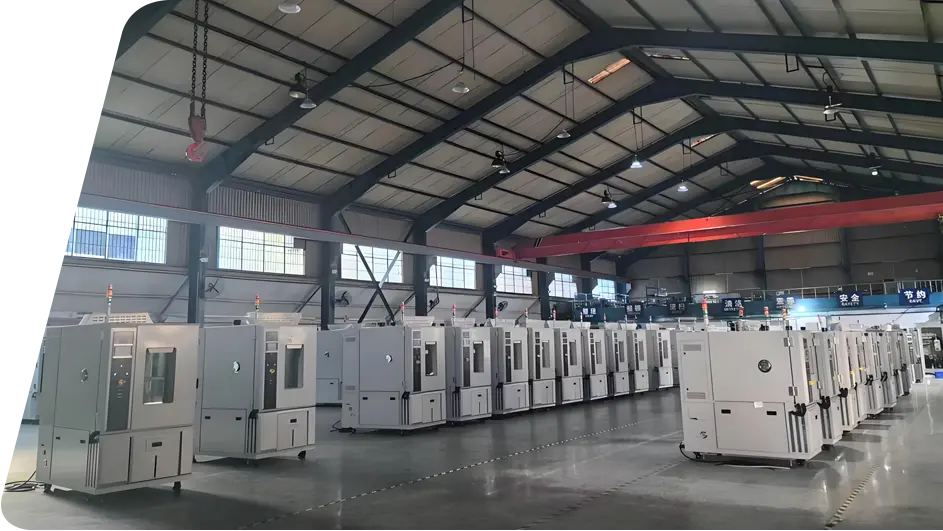
Nepal is undergoing a historic energy transformation. Blessed with substantial hydroelectric potential, the nation is actively shifting from imported fossil fuels toward domestic clean electricity. This macroeconomic transition relies on two critical technological pillars: the rapid adoption of electric vehicles (EVs) in high-density urban zones like the Kathmandu Valley, and the roll-out of rural Solar Microgrids combined with Battery Energy Storage Systems (BESS) across rugged mountainous terrains.
However, Nepal's unique geographical and climatic profile presents substantial technical barriers to battery life and safety. Operating lithium-ion batteries in environments ranging from the subtropical heat of the Terai plains to the sub-zero, low-pressure atmospheres of high-altitude Himalayan settlements requires rigorous environmental testing. Extreme temperature swings cause accelerated degradation and dendrite growth, while physical transit across rough, unpaved terrain tests the mechanical integrity of EV battery packs. To prevent catastrophic thermal runaway events, importing organizations, local assemblers, and regulatory bodies in Nepal are increasingly adopting advanced battery test chambers as part of standard safety clearance protocols.
"High-altitude operations degrade the convective cooling efficiency of lithium battery packs by up to 30% due to reduced air density. Simulating these environments in laboratory test chambers is not a luxury—it is a critical safety requirement for Himalayan electrification projects."
When global developers and regional EPC contractors deploy clean energy assets in South Asia, they demand absolute traceability and compliance with international standards (such as UN38.3, IEC 62133, UL 1642, and UL 9540A). Sourcing testing instruments from certified, high-capacity factories in China allows operators to bridge the gap between high-level laboratory safety protocols and regional operations. Key purchasing criteria for international enterprises include:
Delivering fast heating and cooling ramp rates to test the thermal shock boundaries of batteries operating in Kathmandu's winter-to-summer transitions.
Equipped with structural reinforcement, heavy-duty pressure release doors, and electronic gas monitors to ensure complete operator safety.
Factory-calibrated to deliver testing protocols fully compliant with IEC, UL, SAE, and UN 38.3 regulatory guidelines.
In high-altitude operations, the physical performance of energy storage systems changes due to lower ambient pressure. Atmospheric pressures at high altitudes decrease air density, directly reducing the convective heat dissipation capacity of the battery. Under intense discharge profiles or high-rate charging, heat accumulates inside the cells, which can trigger an early thermal runaway event.
Furthermore, under low-pressure conditions, the physical structural integrity of cell casings—particularly pouch and prismatic formats—is subjected to differential pressure stresses. If internal gases expand without counteracting external atmospheric pressure, the risk of swelling and electrolyte leakage increases. Our Simulated High-Altitude Low-Pressure Test Chambers allow research laboratories and manufacturers to simulate these atmospheric pressures down to 11.6 kPa (equivalent to elevations up to 15,000 meters above sea level), confirming safety before field deployment in remote areas.
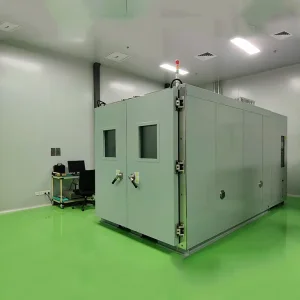
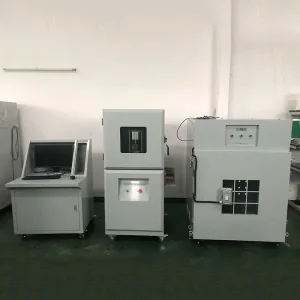
Precision environmental testing requires control over humidity, temperature, salt fog, dust exposure, and rapid thermal shocks. Below are our specialized climatic chambers engineered to validate electrical components, industrial equipment, and battery cells under simulated environmental conditions.
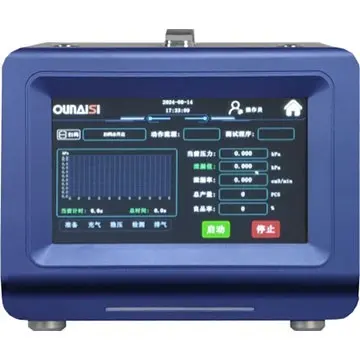
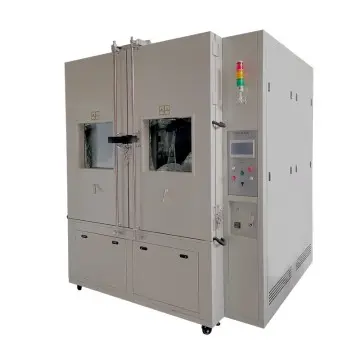
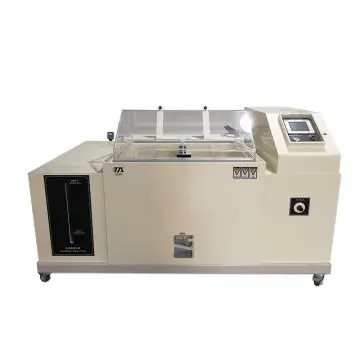
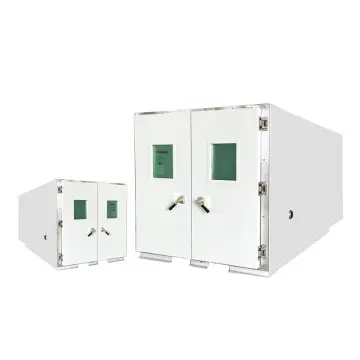
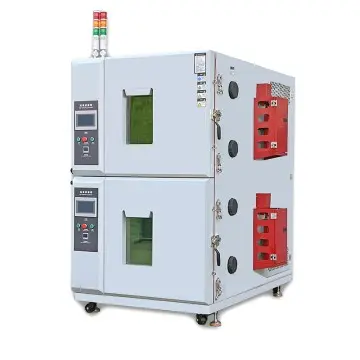
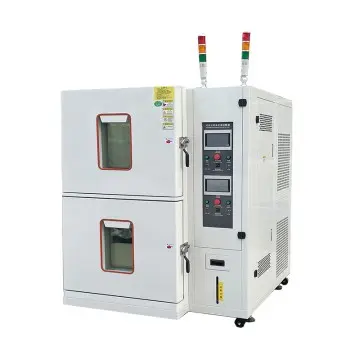
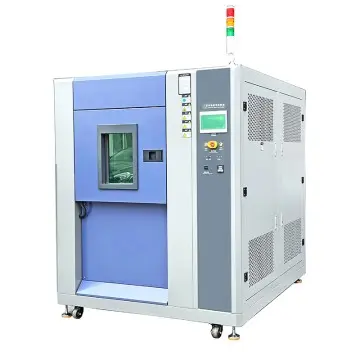
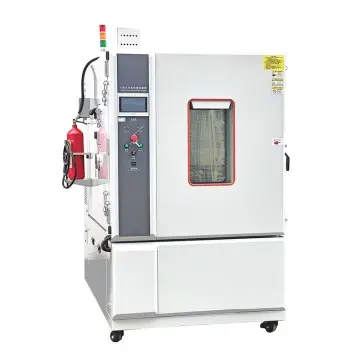
Our organization is focused on the research and development of environmental simulation testing solutions. Working with manufacturing plants, clean-energy researchers, and national standards laboratories, we aim to address safety issues and manual testing inaccuracies. By integrating advanced PLC automation, precise temperature sensors, and robust pressure control systems, our testing instruments help developers identify failure mechanisms early in the product lifecycle.
Our automated control software minimizes manual intervention, reducing measurement variance and speeding up test cycle execution.
Integrated data logging and PLC touchscreens display testing parameters in real-time, helping to prevent missed safety thresholds during long-term cycling.
Constructed with high-strength structural framing, blast-resistant observation windows, and automatic shutdown protocols to maintain facility safety.
Deploying heavy industrial test machinery in markets like Nepal requires localized support, clear electrical engineering coordination, and compliance with the local electric grid. Taian Intelligent Equipment works directly with engineering partners in Kathmandu and major industrial hubs to deliver comprehensive support:
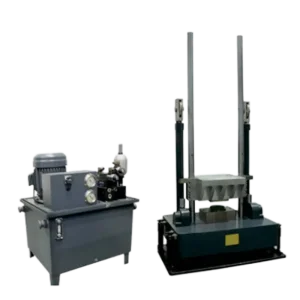
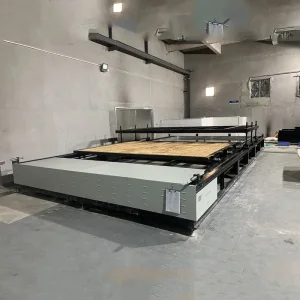
Discover our range of battery safety evaluation machinery. Designed to perform destructive and non-destructive physical stress testing on battery cells, modules, and packs in compliance with international testing protocols.
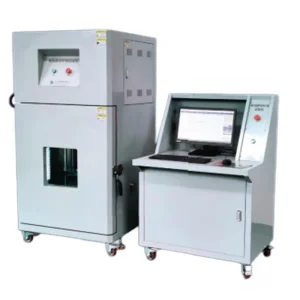
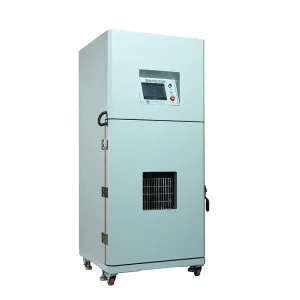
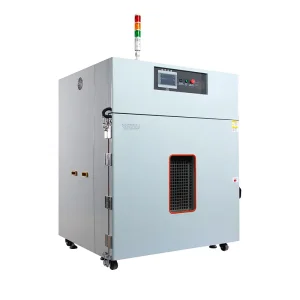
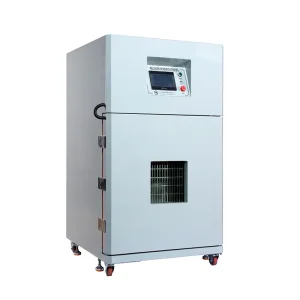
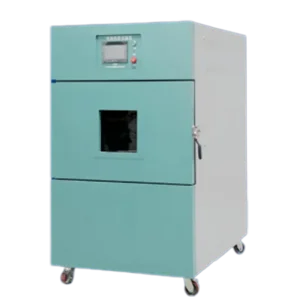
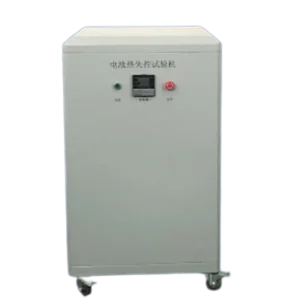
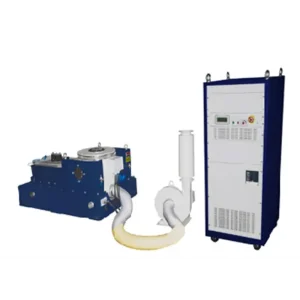
Contact our technical engineering team today for detailed catalogs, custom configuration options, and budget-friendly factory quotes tailored for the Nepalese market.
Send Inquiry Now