
Premium environmental and mechanical simulation systems optimizing battery security and performance parameters.
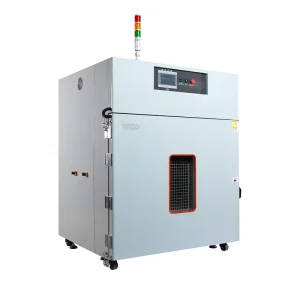
Designed to determine battery resistance and thermal threshold during external short circuit simulation under high environmental temperatures.
Learn More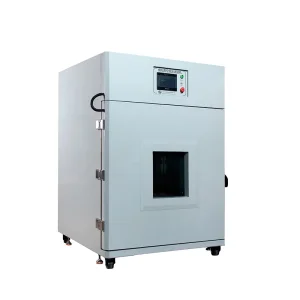
Evaluates lithium battery safety performance under extreme sub-atmospheric pressures to ensure transportation and aviation reliability.
Learn More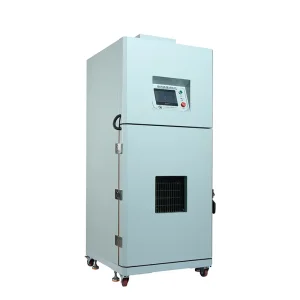
Simulates real-world impact stress and drop incidents with high-rigidity cylindrical safety barriers preventing explosion projection.
Learn More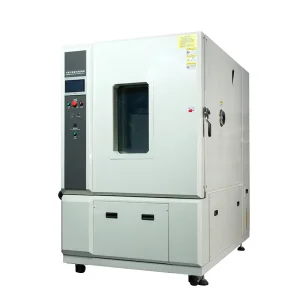
Subjecting battery cells to fast-rate thermal cycling to expose structural weaknesses and test cyclic stability under fluctuating stresses.
Learn MoreAs Equatorial Guinea advances its National Strategy for Sustainable Development, diversifying away from sole oil and gas reliance toward green energy integration has become paramount. On island regions like Bioko (Malabo) and Annobón, the implementation of microgrids powered by solar PV coupled with high-capacity Battery Energy Storage Systems (BESS) is rapidly expanding. However, the unique equatorial maritime environment—characterized by perpetual relative humidity above 90% and high ambient temperatures exceeding 35°C—presents a severe operating challenge for lithium-ion battery configurations.
“Battery testing under tropical conditions is not a mere compliance measure; it is a vital safeguard. The chemical reactivity of lithium-ion cells increases dramatically with temperature, which can accelerate degradation processes, promote dendritic growth, and drastically lower the threshold for thermal runaway.”
Industrial developers in Bata, Luba, and Mengomeyén require testing systems that can simulate local environmental parameters. Salt-fog, constant humidity, and intense high-current short-circuit stresses are critical testing routines. Deploying batteries in off-grid telecom towers or solar mini-grids without rigorous validation under these conditions risks catastrophic failures, including fires and complete local grid blackouts. Taiantest provides localized testing chambers that feature anti-corrosion linings, specialized dehumidification cycles, and explosive-proof structural designs tailored for tropical industrial zones.
See you at green world!
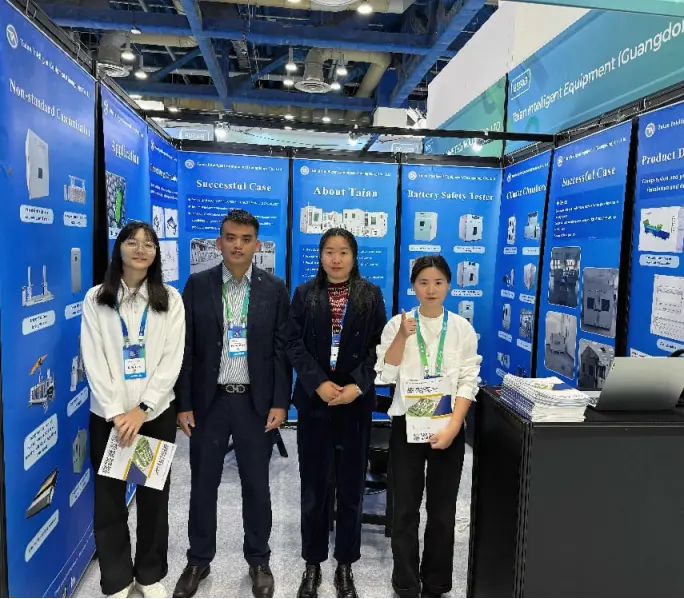
Taian Intelligent Equipment (Guangdong) Co., Ltd., situated in the manufacturing hub of Qiaotou, Dongguan, was founded on March 10, 2017, with a registered capital of 12 million RMB. We specialize in two primary fields: environmental test equipment and safety test equipment. Through relentless R&D and innovation, we have developed into a leading national high-tech enterprise, seamlessly integrating research, advanced manufacturing, global sales, and reliable technical services.
Our solutions target high-precision compliance and simulation testing, resolving core issues such as operating safety hazards, measurement inaccuracies, and system latency in traditional manual test methods.
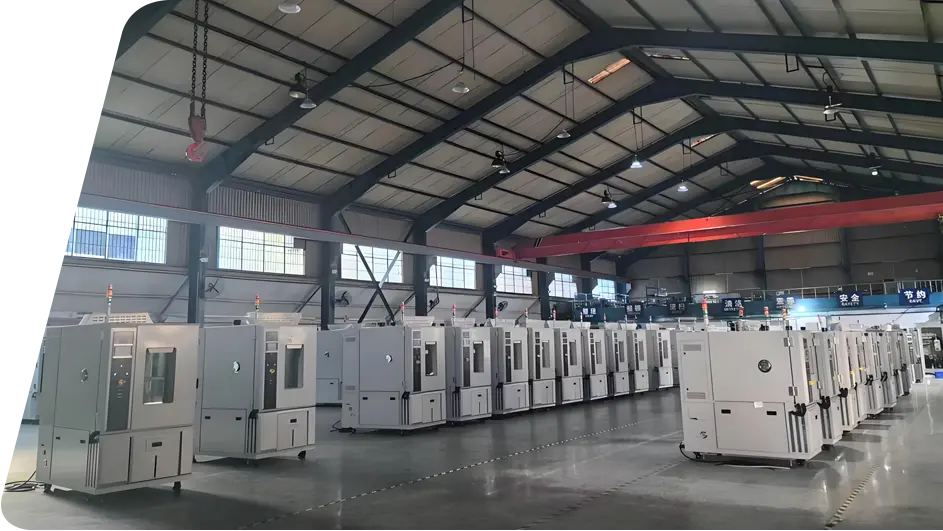
The global battery industry is rapidly consolidating around stringent safety standards such as UL 1642, UL 2580, IEC 62133, and UN 38.3 (for air and marine shipping certification). With the rapid transition towards Electric Vehicles (EVs) and massive Energy Storage Systems (ESS), ensuring the physical and thermal integrity of cells under mechanical stress is a non-negotiable step in the manufacturing chain.
A reliable testing program involves exposing battery cells, modules, and full packs to critical mechanical and climatic stress configurations:
Taiantest’s advanced engineering design integrates video acquisition, real-time gas monitoring, and emergency exhaust management directly into the chambers, providing operators with safe, clean, and highly precise empirical data lines.
Strictly controlled atmospheres to isolate and evaluate battery behavior under extreme moisture, salt, and temperature profiles.
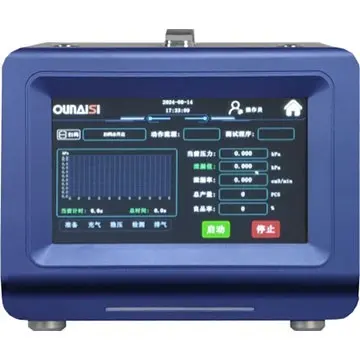
Evaluates structural sealing integrity using differential pressure measurements, preventing fluid ingress and hazardous electrolyte leakage.
Learn More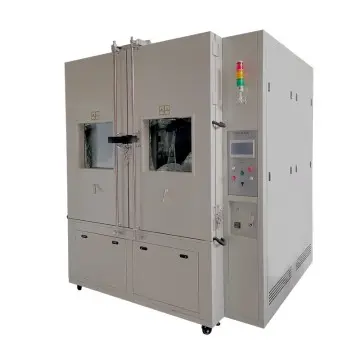
Assesses battery enclosure sealing performance under dry air sandstorms, satisfying IP5X and IP6X standards for arid land installations.
Learn More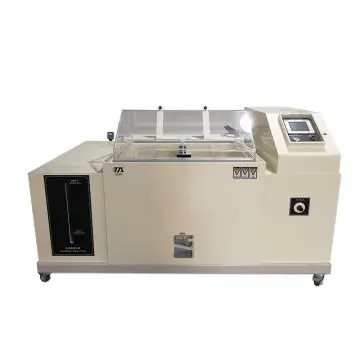
Accelerates corrosion cycles on casing materials to test resilience against salty coastal atmospheres, crucial for Malabo offshore setups.
Learn More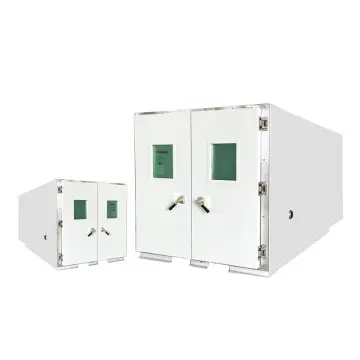
A spacious, walk-in design suitable for testing large-scale ESS battery modules and packs under a wide range of climates.
Learn More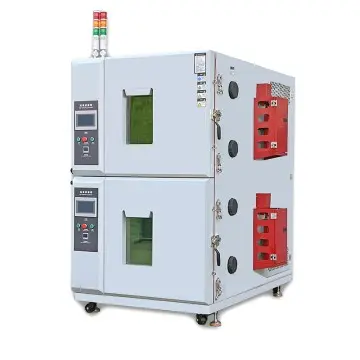
Exposes battery materials to prolonged high thermal levels to evaluate cell capacity fade, material decay, and long-term shelf life.
Learn More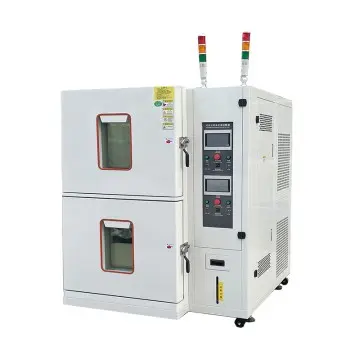
Dual independent workspace chambers that maximize lab space efficiency while carrying out precise thermal cycles.
Learn More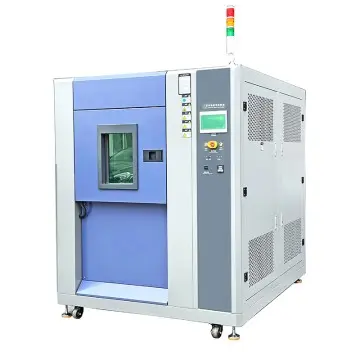
Rapidly transfers batteries between extremely hot and freezing chambers within seconds to assess structural thermal shock resistance.
Learn More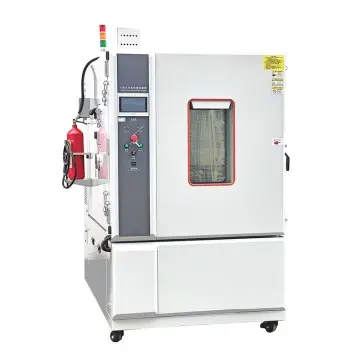
Features rapid, controlled temperature transition rates to stress internal battery materials and identify weaknesses early.
Learn MoreThe transition from traditional liquid-electrolyte lithium-ion chemistries towards solid-state batteries (SSB) and sodium-ion configurations demands a shift in testing methodologies. Solid-state battery testing requires high mechanical pressure monitoring within environmental chambers to maintain structural contact. Simultaneously, testing systems must evolve to handle the volatile characteristics of next-generation high-nickel cathodes.
Traditional manual safety testing leaves operators vulnerable to explosive fragments, toxic gases, and chemical fires. Taiantest is leading the transition to Automated Testing Infrastructures (ATI) characterized by:
By investing in these advanced safety structures, manufacturers and research organizations in Equatorial Guinea and around the globe can guarantee data accuracy and operational safety.
Advanced sensor structures and optimized PID algorithms minimize thermal stabilizing time, increasing overall test throughput by 35% compared to manual methods.
Integrated touch-screen operating consoles, customizable testing programs, and network connections for remote data logging and diagnostics.
Reinforced explosion containment plates, gas detection sensors, explosion-relief ports, and emergency cooling systems protect operators and facilities.
Robust heavy-duty mechanical testing rigs verifying battery cell resilience against extreme impacts, pressure, and penetration.
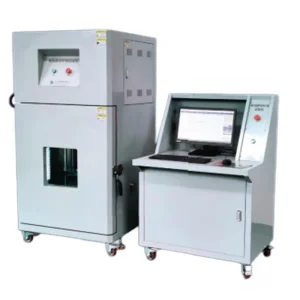
Simulates internal short circuits caused by sharp debris penetration or heavy crushing forces, verifying cell stability under crash conditions.
Learn More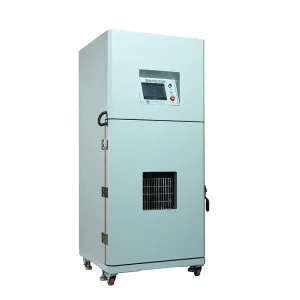
Drops a designated weight from a set height onto the battery sample to evaluate structural impact resistance under extreme forces.
Learn More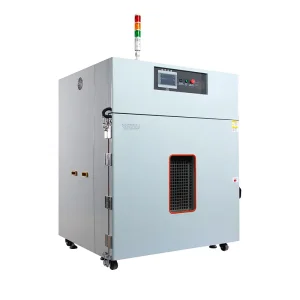
Triggers and contains thermal runaway events under safe conditions to measure heat dissipation profiles, venting gas volumes, and safety margins.
Learn More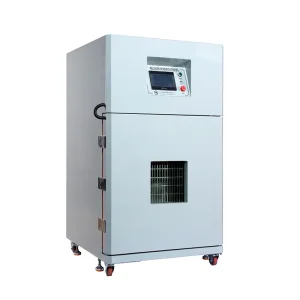
Exposes test batteries to external flames to evaluate fire propagation speed, hazardous emissions, and self-extinguishing capabilities.
Learn More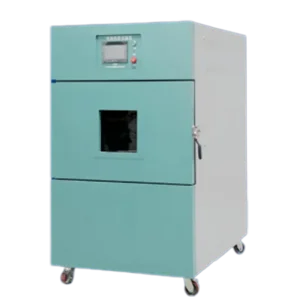
Simulates aggressive water cleaning (IPX7/IPX9K) to test battery pack seals and prevent moisture ingress during operation.
Learn More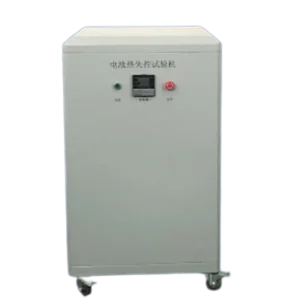
Equipped with thermal-resistant surveillance cameras and multi-channel thermocouples to track rapid thermal changes during failure events.
Learn More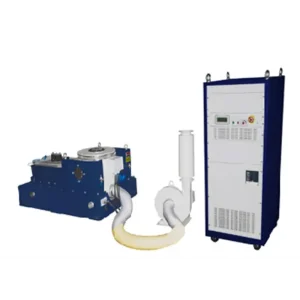
Exposes battery assemblies to physical vibrations across three axes, checking connection integrity and preventing structural failures.
Learn More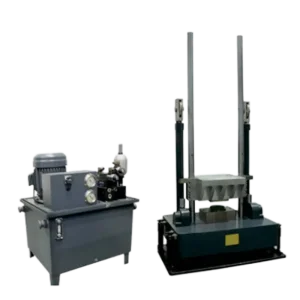
Provides precise mechanical shock pulses with digital control settings, evaluating cell and module structural resilience.
Learn More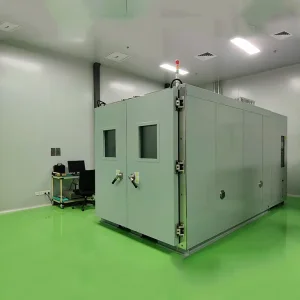
Combines rapid temperature swings with high relative humidity cycles to test battery seal durability under harsh maritime conditions.
Learn More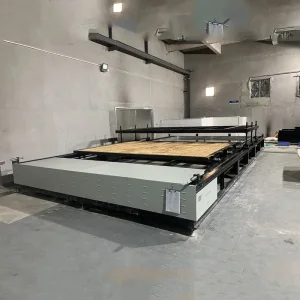
Evaluates battery module behavior when exposed to direct flames, featuring fire suppression systems to protect testing spaces.
Learn More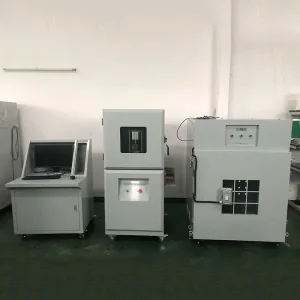
Creates short circuits with currents up to several thousand amperes, evaluating internal protection and structural changes.
Learn More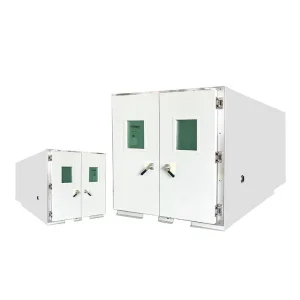
Industrial scale testing system designed for heavy EV battery packs, solar power storage systems, and telecommunication backup arrays.
Learn MoreStay informed with the latest updates from our research team, product releases, and interpretations of global testing regulations.
 Shanghai
 Mar 2026
 Shanghai
Mar 2026
Shanghai
Mar 2026
Detailed technical answers addressing environmental testing, local battery safety, and shipping logistics.
Equatorial Guinea's humid coastal climate accelerates chemical degradation, exterior surface corrosion, and seals breakdown in battery systems. High moisture levels can lead to micro-condensation on electrical contacts, triggering high-resistance pathways or direct short circuits. Environmental chambers help manufacturers evaluate battery performance under constant wet-heat cycling (e.g. 95% RH, 35°C) to ensure casing materials and internal circuits remain isolated over their service life.
This chamber evaluates battery response during a short circuit under set temperatures. By applying low-resistance external shorts (typically under 5 or 80 milliohms) at temperatures up to 55°C, developers measure current peaks, skin temperature profiles, and look for signs of swelling, case ruptures, or fires. This is critical for certification under international standards such as UL 1642 and IEC 62133.
For Energy Storage Systems (ESS) used in solar projects, UL 9540 and UL 9540A are the key safety standards. They require thermal runaway propagation testing to confirm that a single-cell fire will not spread to adjacent cells. IEC 62619 is also crucial for validating safe operation of lithium batteries in industrial stationary setups under environmental stress.
Lithium batteries shipped via air cargo experience low-pressure, low-temperature environments. Simulated high-altitude chambers lower pressures down to 11.6 kPa to check if pressure differences trigger gas venting, liquid leaks, or electrical anomalies. Passing this test is required for the UN 38.3 transport certification.
Yes. We build chambers with reinforced SUS316 stainless steel interior walls to resist salt spray corrosion. We also integrate heavy-duty air conditioning dehumidifier loops to manage high ambient humidity and offer customized explosion protection systems (such as inert gas flushing and exhaust systems) tailored to local lab facilities.
Our thermal runaway chambers feature multi-layered protection: explosion-resistant viewing glass, automatic pressure relief valves, toxic gas monitoring (for CO, H2, and hydrocarbons), high-volume exhaust fans, and fire suppression systems (like carbon dioxide or water mist) that activate if temperatures exceed safety thresholds.